Welcome to the Bearing Official Website.
National Consultation Hotline:


 News & Updates
 Industry News
The possible causes of failure in newly installed bearings and the quick troubleshooting approach
Bearing is an important component of mechanical equipment, playing a crucial role in ensuring the normal operation of the equipment. However, newly installed bearings have failed, which may threaten the normal operation of the equipment. So, what are the possible causes of failure in newly installed bearings, and how should they be quickly troubleshooted?
Firstly, the possible causes of failure in newly installed bearings
Bearing quality issues: If there are quality problems in the manufacturing process of the bearing, such as material defects, processing errors, improper heat treatment, etc., they will affect the service life of the bearing.
Improper installation: If the installation process of the bearing is not operated properly, such as inaccurate pre-tension setting of the bearing, improper fit between the bearing and the shaft or bearing housing, and improper addition of lubricant, etc., it may lead to premature bearing failure.
Excessive bearing load: When the bearing is subjected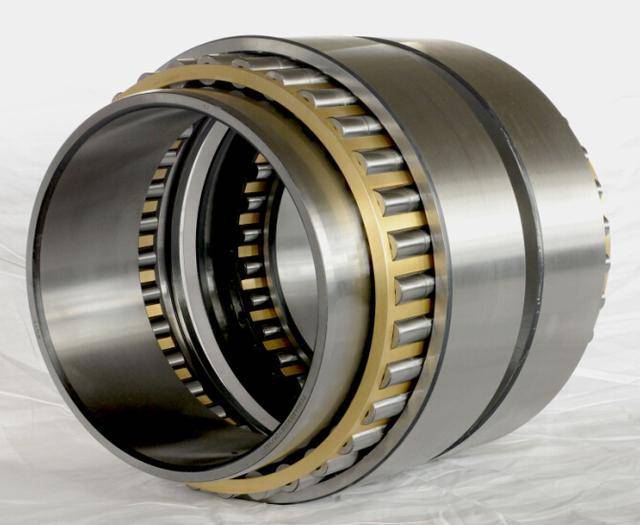 to excessive load, its internal structure may be damaged, leading to bearing failure.
Poor lubrication: Insufficient lubrication or improper selection of lubricant can lead to excessive bearing temperature and accelerate bearing wear.
Environmental factors: Long-term exposure of the bearing to harsh environmental conditions, such as high temperature, low temperature, humidity, dust, etc., will accelerate the wear and aging of the bearing.
Improper bearing selection: If the selected bearing type or size does not meet the requirements of the equipment, it may also lead to bearing failure.
Secondly, the quick troubleshooting approach for newly installed bearing failure
Observe the appearance of the bearing: Check for cracks, deformation, wear, and other phenomena on the bearing, and observe the installation status of the bearing, such as whether the bearing is tightly fastened and whether there is any loosening.
Check lubrication condition: Check the lubrication status of the bearing, such as whether the lubricant is sufficient and whether there are blockage phenomena.
Measure the temperature of the bearing: Use a thermometer to measure the temperature of the bearing. If the temperature rises abnormally, it may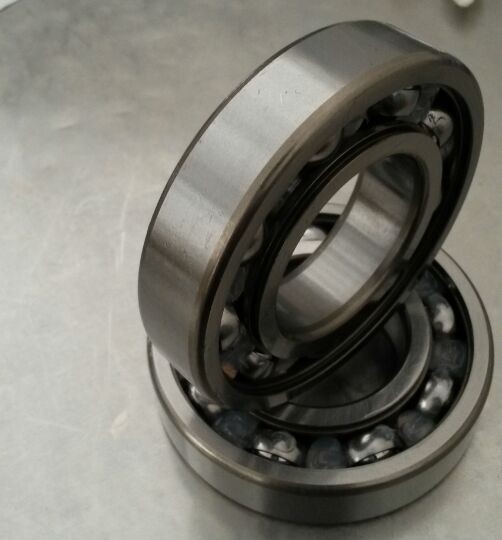 be due to overheating of the bearing.
Check load conditions: If the bearing suddenly increases in load during normal operation, it may be due to bearing damage.
Check environmental factors: Check the working environment of the bearing, such as temperature, humidity, dust, etc., to see if it meets the requirements.
Check the bearing selection: Check whether the bearing selection meets the requirements of the equipment, such as bearing type, size, etc.
Analyze the cause of failure: According to the above inspection results, analyze the cause of the bearing failure and formulate corresponding solutions.
This is the possible cause of failure in newly installed bearings and the quick troubleshooting approach, hoping it will be helpful to you.