Welcome to the Bearing Official Website.
National Consultation Hotline:


 News & Updates
 Industry News
Joint bearings, also known as ball or needle bearings, are an indispensable component in robot joints. They play a crucial role in ensuring the high precision, stability, and durability of robots. The main function of joint bearings is to support and guide the moving parts in the robot joints, allowing them to move within the specified range while reducing friction and wear, thereby improving the accuracy and efficiency of motion.
Applicability of joint bearings
High precision requirements: Joint bearings can provide extremely high rotational precision, which is crucial for robot applications that require precise control and operation. For example, medical robots, precision detection equipment, and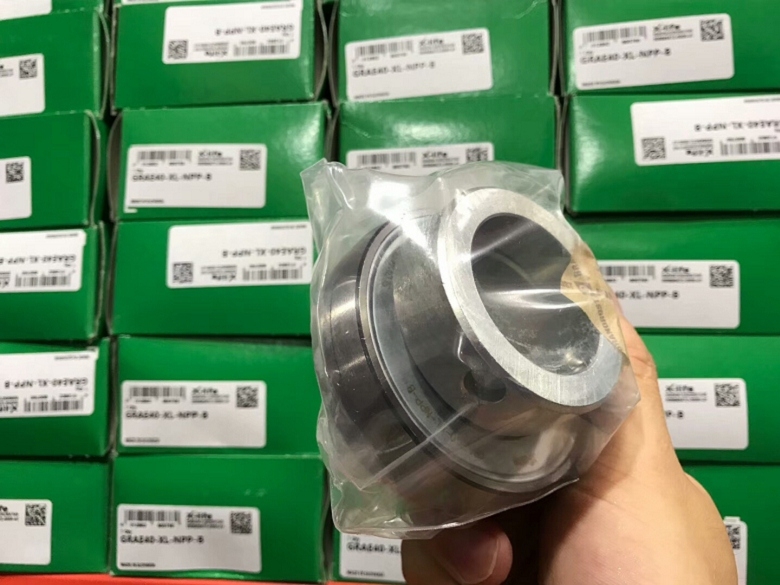 other applications all require joint bearings to ensure the accuracy of their motion.
Durability: Robot joints usually need to operate for a long time and at high frequency in the working environment. The design of joint bearings must be able to withstand wear and impact under these conditions to ensure long-term stable operation.
Lightweighting and compactness: With the development of technology, the requirements for robot joints tend to be more towards lightweight and compact. Joint bearings, while meeting performance requirements, can achieve smaller sizes and lighter weights through optimized design, which is particularly important for portable or miniaturized robots.
Influence on motion accuracy
The performance of joint bearings directly affects the motion accuracy of robot joints. The following are some key factors:
Rolling contact: The contact mode between the rolling elements and raceways inside the joint bearing determines its friction coefficient and motion accuracy. High-quality joint bearings usually adopt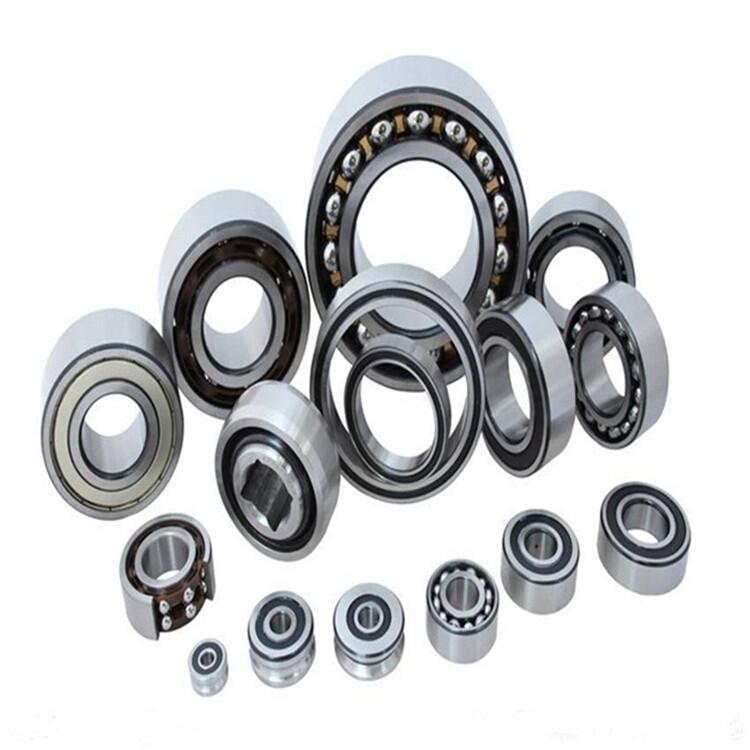 precise design, reducing friction between rolling contact points, thereby improving motion accuracy.
Lubrication and maintenance: Good lubrication can reduce internal friction of the bearing, extending its service life. Regular maintenance and replacement of lubricants are also key to maintaining the performance of joint bearings.
Material selection: The use of high-quality materials can improve the stiffness and fatigue resistance of joint bearings, thereby reducing error accumulation during motion and improving the overall motion accuracy.
In summary, the application of joint bearings in robot joints not only improves the motion accuracy of robots but also enhances their durability and reliability. With the advancement of technology, joint bearings in the future will become more intelligent and lightweight to meet more complex and high-precision application requirements.