Welcome to the Bearing Official Website.
National Consultation Hotline:


 News & Updates
 Industry News
 Key Points for Cost Control at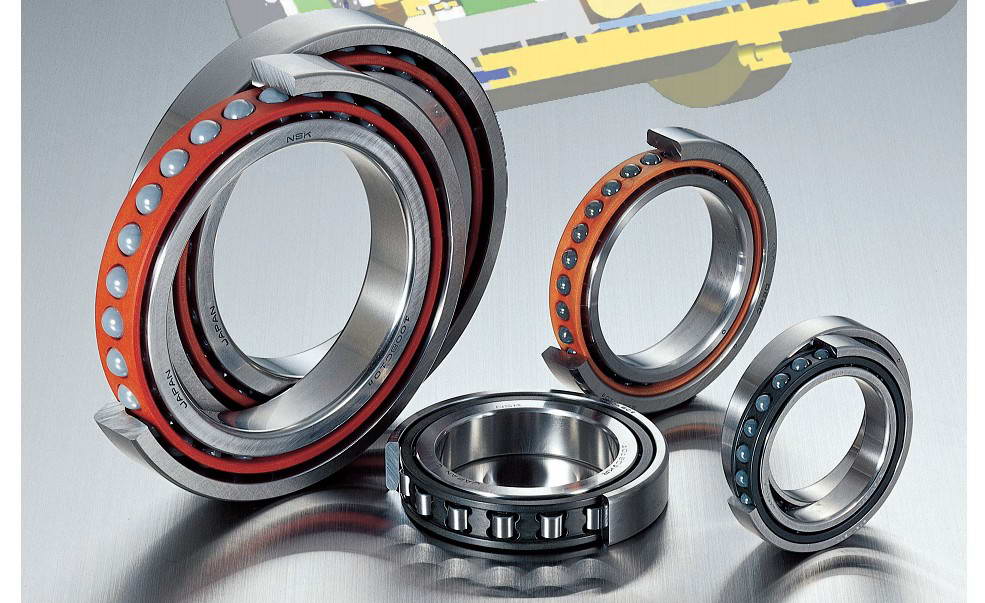 Each Stage of Bearings from a Whole-Life Perspective
In the field of mechanical engineering, as a key component of the mechanical system, the quality of bearings directly affects the performance and life of the machinery. From a whole-life perspective, the control of bearing costs is not only related to the cost of production and manufacturing but also involves the cost management of multiple links such as design, use, maintenance, and scrapping. This article will start from a whole-life perspective to discuss the key points of cost control at each stage.
1. Design Stage
The design stage is the key stage in the control of bearing costs. The cost control of the design stage mainly includes material costs, process costs, and design optimization costs. During the design, the operating environment and working conditions of the bearing should be fully considered, materials should be selected reasonably, and the design structure should be optimized to reduce material waste and unnecessary processing procedures, thereby reducing manufacturing costs. At the same time, the reliability of the bearing should also be considered during the design stage to ensure its stable performance throughout the life cycle and avoid failures and maintenance costs caused by design defects.
2. Manufacturing Stage
The manufacturing stage is the key link in the control of bearing costs. During the manufacturing stage, the quality of raw materials should be strictly controlled to ensure the stability of process parameters during production, reduce waste rate, and lower production costs. In addition, for complex and precise bearings, advanced manufacturing technologies and equipment should be adopted to improve production efficiency and reduce manufacturing costs. At the same time, quality control during the manufacturing process should be emphasized to ensure the stability of bearing quality and reduce maintenance and replacement costs caused by quality issues.
3. Use Stage
The use stage is another important link in the control of bearing costs. The cost of the use stage is mainly reflected in the cost of maintenance and replacement of bearings. During the use stage, bearings should be maintained and inspected regularly to detect and resolve bearing failures in a timely manner, avoiding downtime losses and maintenance costs caused by failures. At the same time, reliable and stable bearings should be selected to reduce failures and maintenance costs caused by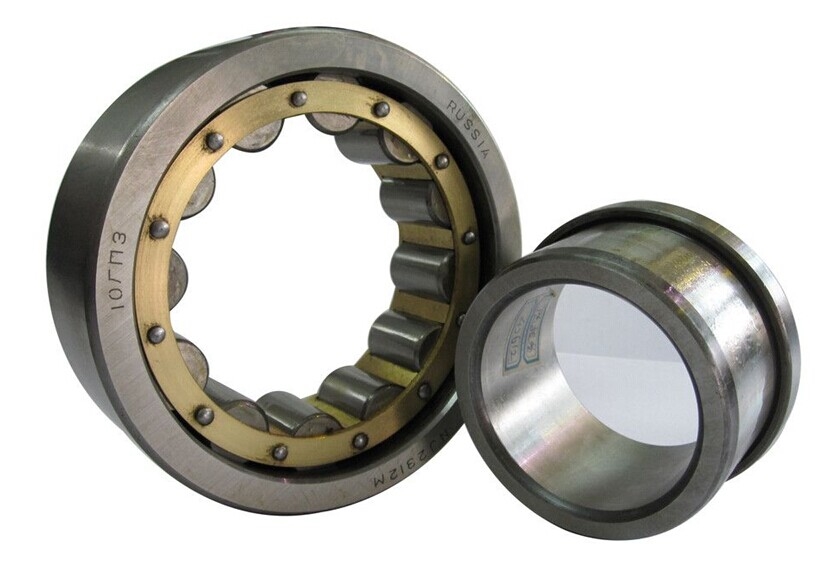 the use of poor-quality bearings.
4. Scrapping Stage
The cost control of bearings at the scrapping stage is mainly reflected in the cost of recycling and disposal. At the scrapping stage, a sound bearing recycling and disposal mechanism should be established to classify and dispose of scrapped bearings to avoid waste of resources. At the same time, for recyclable bearings, repairs and reuse should be carried out to reduce disposal costs.
In summary, from a whole-life perspective, the control of bearing costs requires comprehensive management from multiple links such as design, manufacturing, use, and scrapping to reduce overall costs and improve the efficiency and reliability of bearing use.