Welcome to the Bearing Official Website.
National Consultation Hotline:


 News & Updates
 Industry News
Sliding bearings are a common mechanical component, mainly used to support rotating parts, reduce friction, and ensure the normal operation of the equipment. The installation angle of sliding bearings has an important impact on their normal operation and the overall operation of the equipment. The following will discuss in detail the impact of the installation angle of sliding bearings on normal operation and equipment operation.
Installation angle of sliding bearings
The installation angle of sliding bearings usually refers to the inclination angle of the bearing housing relative to the equipment axis. Sliding bearings can be divided into radial bearings and axial bearings, and their installation angles have different effects on their respective working characteristics.
Impact on normal operation
Radial bearing: Radial bearings are mainly used to support axial force, and the installation angle affects the distribution of axial force and bearing capacity of the bearing. An incorrect installation angle may lead to local overload of the bearing, thereby shortening the service life of the bearing. In addition, incorrect installation angle may also affect the radial stiffness of the bearing, causing increased vibration and noise during the operation of the equipment.
Axial bearing: Axial bearings are mainly used to bear axial force, and the correctness of the installation angle directly affects the adjustment of the axial clearance of the bearing. An incorrect installation angle can lead to uneven axial clearance of the bearing, causing vibration and wear during the operation of the equipment.
Impact on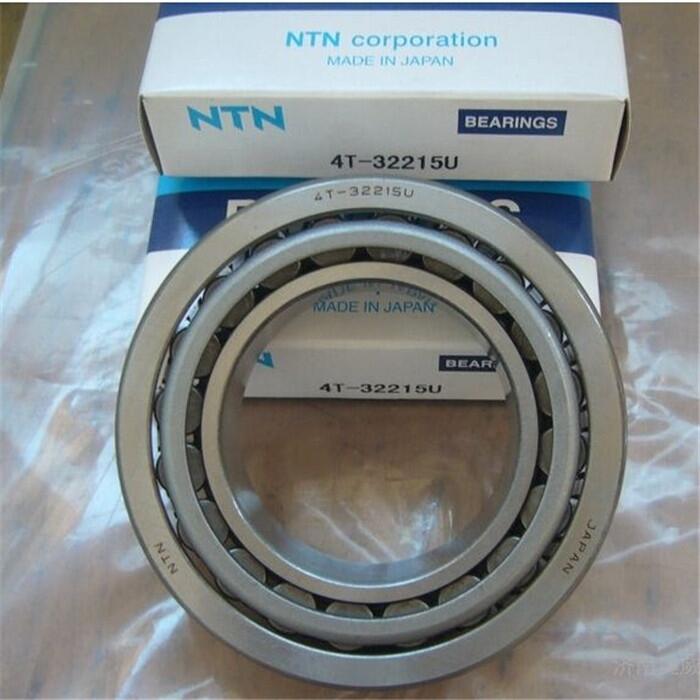 equipment operation
Vibration and noise: The installation angle of sliding bearings directly affects the stability of the bearing. If the installation angle of the bearing is incorrect, it may cause additional vibration and noise during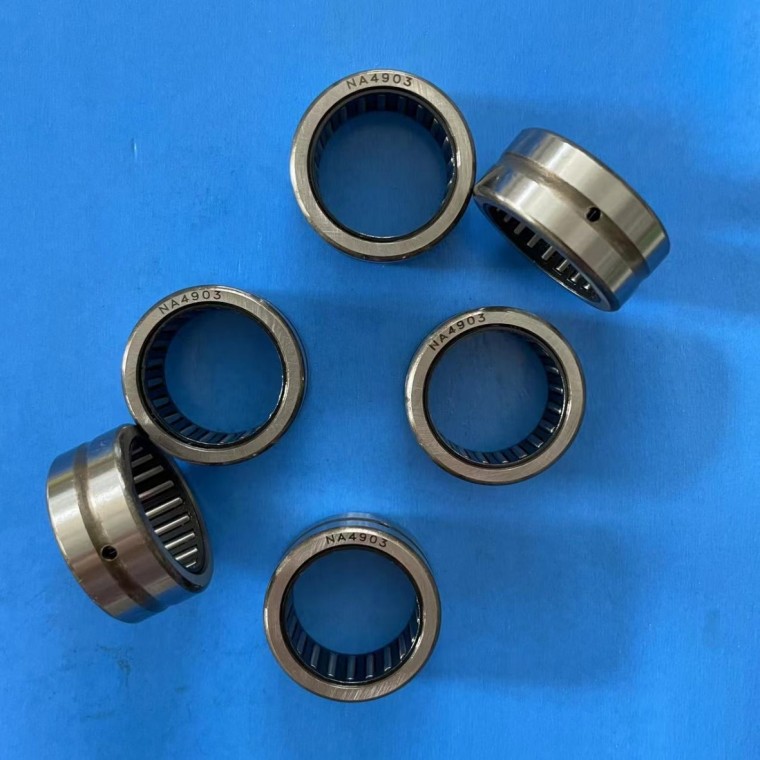 the rotation of the bearing, which in turn affects the overall operating performance of the equipment.
Wear and life: The installation angle of sliding bearings also affects the wear condition of the bearings. The correct installation angle can ensure the uniform distribution of the load when the bearing is subjected to load, thereby reducing the wear of the bearing and extending its service life.
Conclusion
In summary, the installation angle of sliding bearings is crucial for their normal operation and the stable operation of the equipment. Proper selection and adjustment of the installation angle of the bearing can not only improve the operating efficiency of the equipment but also effectively extend the service life of the equipment. Therefore, when designing and installing sliding bearings, it should be strictly in accordance with relevant standards and specifications to ensure the accuracy of the installation angle.