Welcome to the Bearing Official Website.
National Consultation Hotline:


 News & Updates
 Industry News
Sliding bearings play a crucial role in industrial equipment, especially in machinery and equipment that require precise motion control and high precision, such as precision machine tools, textile machinery, printing machinery, etc. During long-term operation, the heat generated by friction can cause the temperature to rise, which may affect its performance or even damage it. Therefore, solving the heat dissipation problem of sliding bearings and ensuring that they operate at an appropriate temperature is crucial for extending equipment life and improving production efficiency.
Solutions to the heat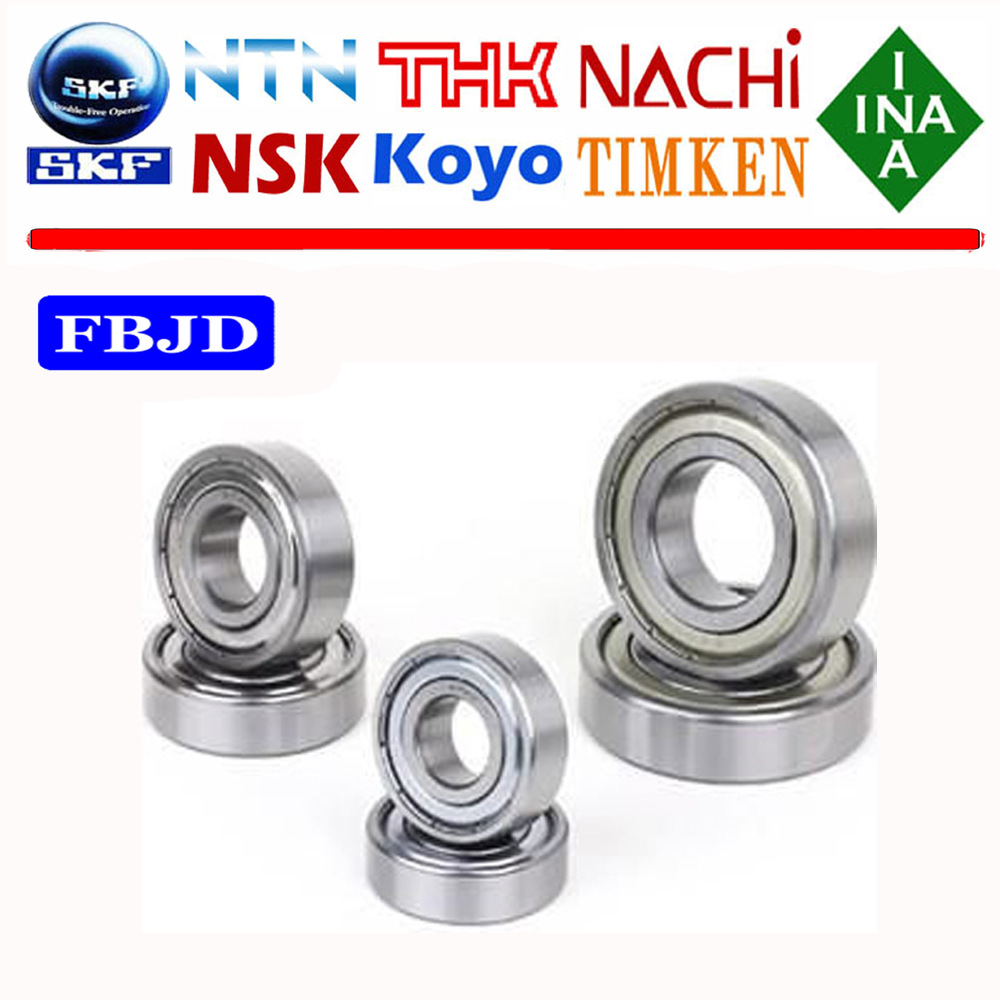 dissipation problem of sliding bearings
1. Optimizing the selection of lubricants
Selecting appropriate lubricants: using lubricants with a low friction coefficient, such as synthetic lubricating grease, can effectively reduce friction and thus reduce heat generation.
Regular lubrication: ensure that the sliding bearings are adequately lubricated, reduce the possibility of dry friction, and thus reduce temperature.
2. Adopting cooling systems
Oil cooling or air cooling system: remove the heat in the bearings through the flow of cooling fluid or air, keeping the bearing temperature within a safe range.
Liquid nitrogen cooling: in some extreme cases, using liquid nitrogen cooling technology can quickly reduce the temperature of the bearings.
3. Adopting heat dissipation materials
High thermal conductivity materials: using materials with high thermal conductivity near sliding bearings can quickly transfer heat away.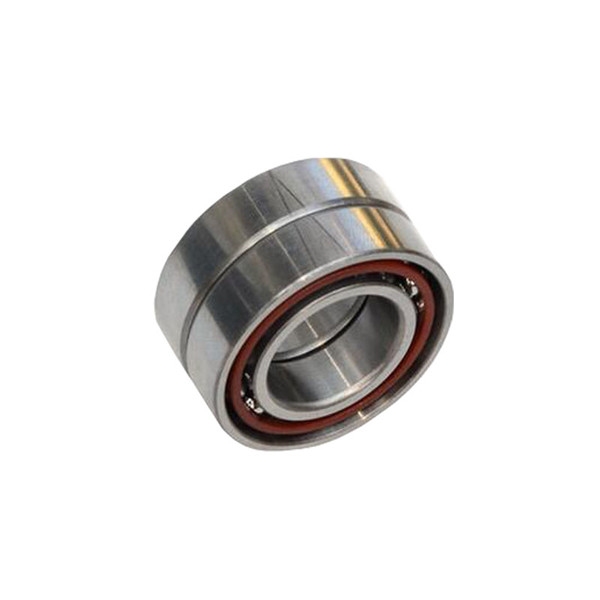
Heat sinks or heat pipes: install heat sinks or heat pipes near the bearings to help dissipate heat quickly.
4. Design improvements
Increase the heat dissipation area: through design improvements, increase the surface area of the bearing in contact with air, which is helpful for heat dissipation.
Optimize bearing layout: reasonably arrange the bearings to avoid local overheating phenomena.
5. Regular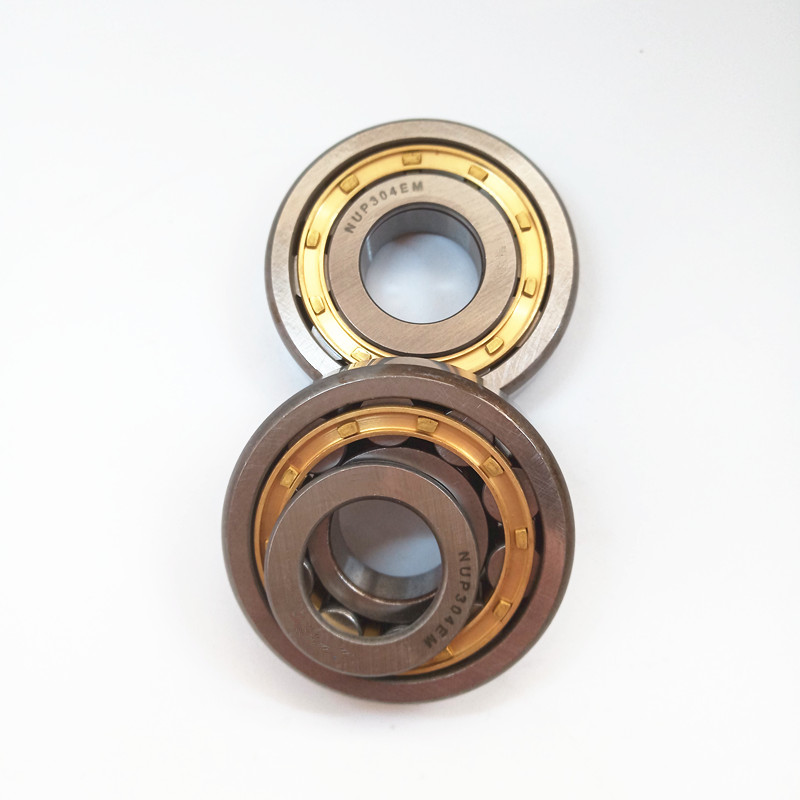 maintenance and inspection
Regularly inspect the lubrication condition: ensure the normal operation of the lubrication system and replace failed lubricants in a timely manner.
Regularly inspect the bearing condition: detect and deal with potential problems in a timely manner through temperature measurement and other detection methods.
Conclusion
Solving the heat dissipation problem of sliding bearings requires approaching from multiple angles, including selecting appropriate lubricants, adopting effective cooling systems, using heat dissipation materials, improving the design, and regular maintenance. These measures can not only effectively control the temperature of the bearings but also extend their service life and improve the stability and reliability of equipment operation.