Welcome to the Bearing Official Website.
National Consultation Hotline:


 News & Updates
 Industry News
Miniature bearings play a crucial role in fields such as miniature machinery, electronic equipment, medical instruments, and miniature robots. Their small size and high precision requirements make quality control particularly important. In order to ensure the reliability and performance of miniature bearings in these applications, a series of strict control measures need to be taken. The following are some key quality control points:
1. Material Selection and Inspection
Material selection: Select appropriate materials according to application requirements, such as stainless steel, ceramics, plastics, etc.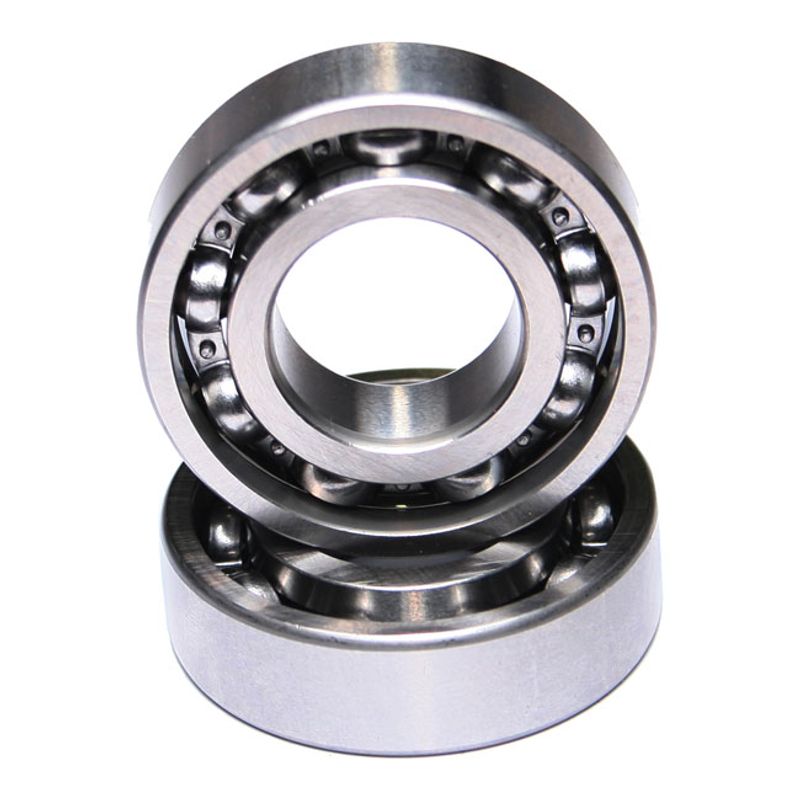 Each material has specific properties and application ranges.
Material inspection: Conduct strict quality inspection of raw materials, including chemical composition analysis and physical property testing, to ensure that the materials meet design requirements.
2. Manufacturing Process Control
Processing accuracy: Use high-precision processing equipment and technology to ensure that the bearing meets design requirements in terms of size, shape, and surface roughness.
Heat treatment: Perform appropriate heat treatment on the bearing to improve its hardness, wear resistance, and fatigue resistance.
Assembly process: Ensure the cleanliness and accuracy of the assembly process to prevent impurities from entering the interior of the bearing.
3. Performance Testing
Static friction test: Evaluate the friction force of the bearing in a stationary state, ensuring its stability during low-speed operation.
Dynamic friction test: Simulate the operating state of the bearing in actual work, measure its friction force during high-speed rotation, and ensure its performance under high-load conditions.
Life test: Test the service life of the bearing through simulation of the actual operating environment, ensuring its reliability in long-term use.
4. Inspection and Certification
Factory inspection: Carry out comprehensive quality inspection of the miniature bearings produced to ensure that they meet all design and performance requirements.
Third-party certification: Conduct third-party quality certification according to industry standards and customer requirements, such as ISO, CE, etc., to enhance the market competitiveness of the product.
5. Recommendations for Use and Maintenance
Proper installation and maintenance: Guide users in the correct installation and maintenance of miniature bearings to avoid damage caused by improper operation.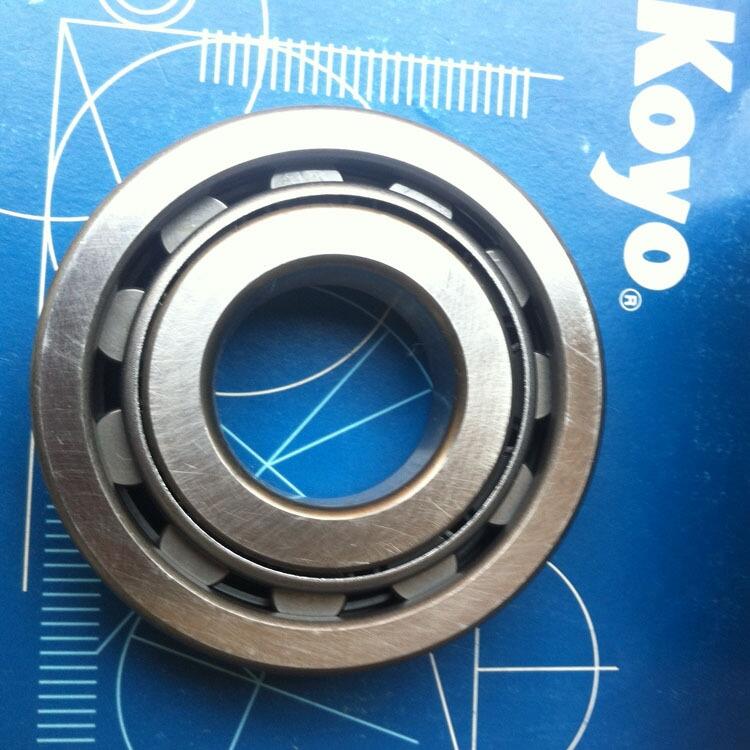
Regular inspection: It is recommended to regularly inspect the miniature bearings in use to detect and solve problems in a timely manner.
Through the above measures, the quality and reliability of miniature bearings can be effectively improved, ensuring their optimal performance in various miniature applications.