Welcome to the Bearing Official Website.
National Consultation Hotline:


 News & Updates
 Industry News
 Means of detecting the damage of joint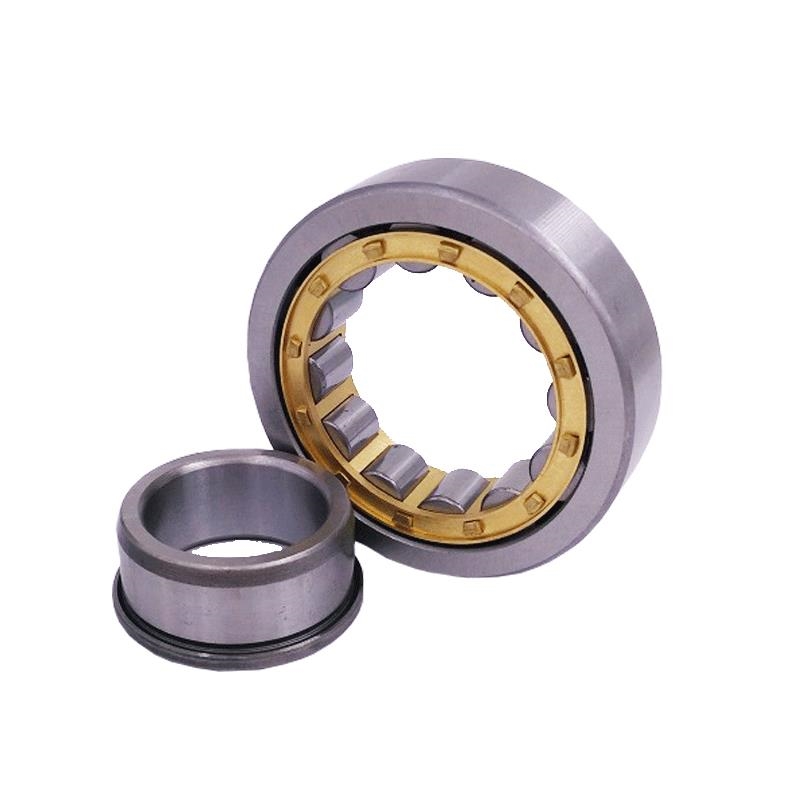 bearings, timely
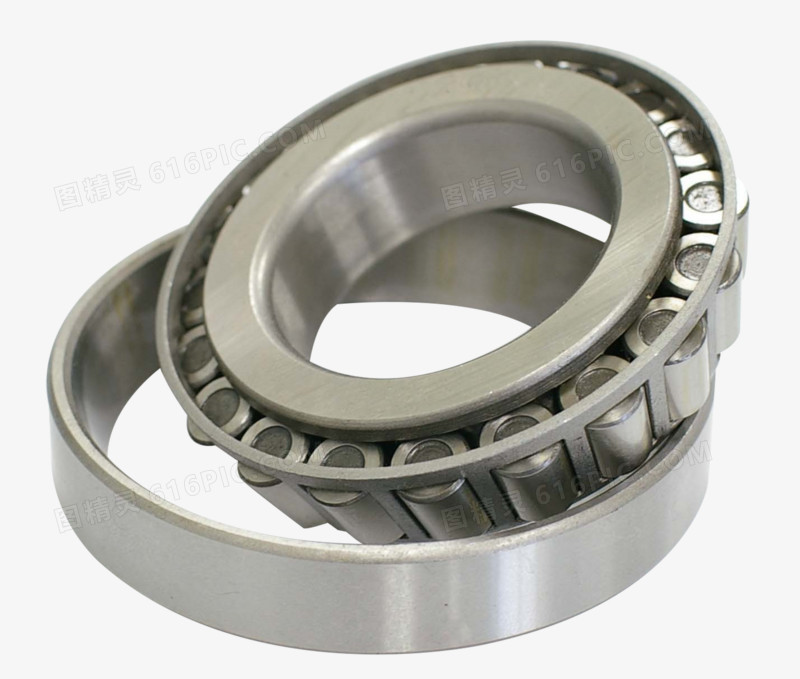 discovering the signs of abnormal joint movement
Joint bearings are an indispensable part of mechanical equipment, playing a crucial role in the movement of mechanical equipment. The damage to joint bearings may lead to a decrease in equipment operating efficiency and even major accidents. Therefore, timely detection of the damage condition of joint bearings is an important link in ensuring the safe and stable operation of equipment. The following are some commonly used methods to detect the damage condition of joint bearings, so as to discover abnormal signs in joint movement in a timely manner.
Visual Inspection: This is the most basic and most intuitive inspection method. By regularly inspecting the appearance of the bearing, it is possible to observe whether there are obvious signs of wear, cracks, corrosion, deformation, and so on. At the same time, it can also be checked whether there are foreign objects entering the bearing, such as dust, metal shavings, etc.
Vibration Analysis: Through vibration analysis technology, it is possible to detect the vibration conditions generated by the joint bearing during operation. When the joint bearing is damaged, the characteristics of the vibration it produces will change. By analyzing these changes, it can be determined whether the bearing has any problems.
Temperature Detection: Joint bearings generate heat during operation. By temperature detection, it can be found out whether the bearing is overheated. Overheating may be due to increased friction caused by bearing damage,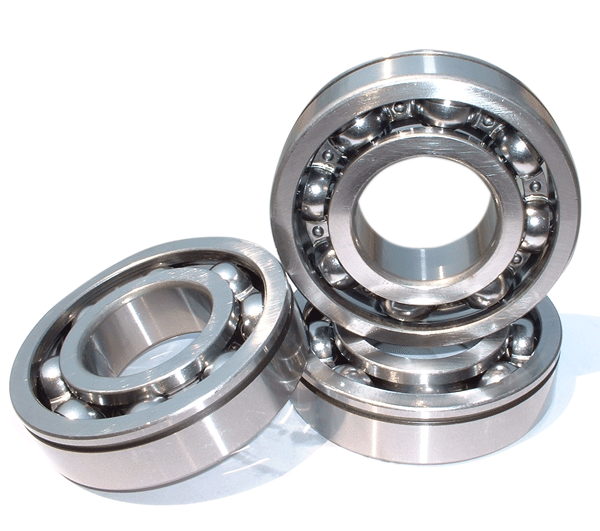 or heat accumulation due to insufficient lubrication. By regularly detecting the temperature of the bearing, potential problems can be discovered in a timely manner.
Oil Analysis: By analyzing the lubricating oil used by the bearing, the working condition of the bearing can be understood. For example, by analyzing the particle content in the lubricating oil, it can be determined whether the bearing has wear; by analyzing the chemical composition of the lubricating oil, it can be determined whether the bearing has been contaminated or corroded.
Acoustic Detection: Through acoustic detection technology, it is possible to detect the sounds generated by the joint bearing during operation. When the bearing is damaged, the characteristics of the sound it produces will change. By analyzing these changes, it can be determined whether the bearing has any problems.
Pressure Test: Pressure testing can detect the sealing performance of the bearing. When the bearing is damaged, its sealing performance may be affected, leading to oil leakage. By regularly conducting pressure tests, sealing problems of the bearing can be discovered in a timely manner.
By means of the aforementioned methods, it is possible to effectively detect the damage condition of joint bearings, discover abnormal signs in joint movement in a timely manner, thus ensuring the safe and stable operation of mechanical equipment. At the same time, regular detection of these tasks can prevent the occurrence of potential problems and extend the service life of mechanical equipment.