Welcome to the Bearing Official Website.
National Consultation Hotline:


 News & Updates
 Industry News
Roller bearings are widely used in industrial equipment due to their high load-bearing capacity and low friction characteristics, especially in situations requiring heavy loads and high-speed rotation. However, roller bearings also face lubrication difficulties during use, which are directly related to their service life and operating efficiency. Solving these lubrication difficulties is crucial for ensuring good lubrication. The following will detail the common problems in roller bearing lubrication and the corresponding solutions.
Lubrication difficulties of roller bearings
Selection and suitability of lubricant: Different types of roller bearings require specific types of lubricants, such as grease lubricants, oil lubricants, etc. Inadequate selection may result in the lubricant not performing optimally, or even causing bearing damage.
Adding and maintaining lubricant: Regular addition and maintenance of lubricant are the key to maintaining the bearing in good lubrication condition. If lubrication is insufficient or the quality of the lubricant deteriorates, the bearing may accelerate wear due to the lack of necessary protection.
Leakage and loss of lubricant: During the operation of the bearing, the lubricant may decrease due to leakage or loss, leading to insufficient lubrication of the bearing surface and affecting its performance.
Compatibility between bearing and lubricant: Some lubricants may be incompatible with bearing materials, and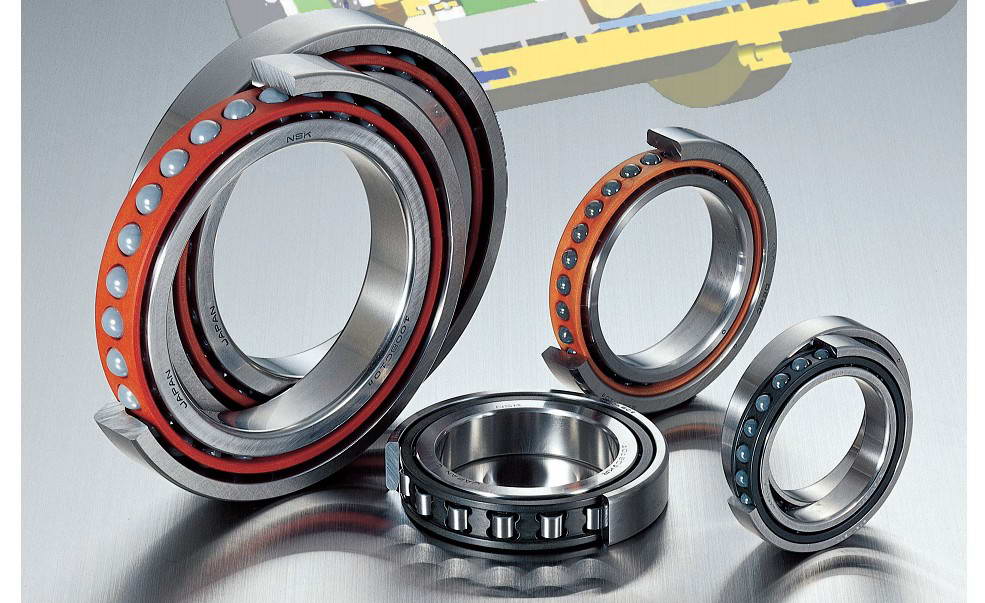 improper use may cause bearing corrosion or other material problems.
Remedial measures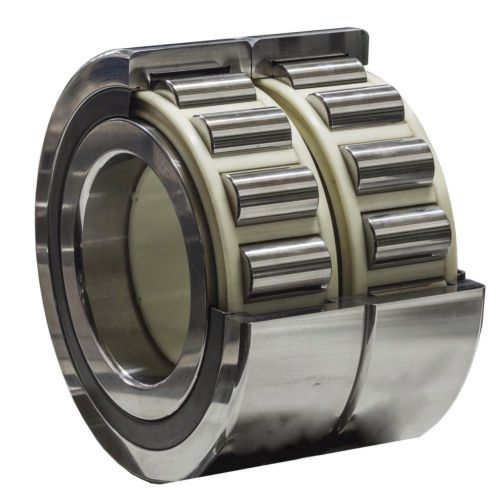
Selecting the correct lubricant: Choose the appropriate lubricant based on the type and operating environment of the roller bearing. For example, for bearings operating at high speeds, a lubricant with a lower viscosity should be selected to reduce friction.
Regular lubrication: Establish a regular lubrication schedule based on the bearing's usage conditions and manufacturer's recommendations. Use professional lubrication tools and methods to ensure that the lubricant is evenly distributed over the bearing surface.
Sealing and protection: Use appropriate sealing devices (such as seals) and protective measures (such as protective covers) to prevent the leakage or loss of lubricant. Special attention should be paid to preventing dust and other impurities from entering the bearings exposed to the external environment.
Regular inspection and maintenance: Regularly check the condition of the lubricant, including viscosity, color, and the presence of impurities. Replace the lubricant when necessary to ensure the quality and performance of the lubricant.
Selecting lubricants with good compatibility: Ensure that the selected lubricant is compatible with the bearing material to avoid corrosion or other material problems caused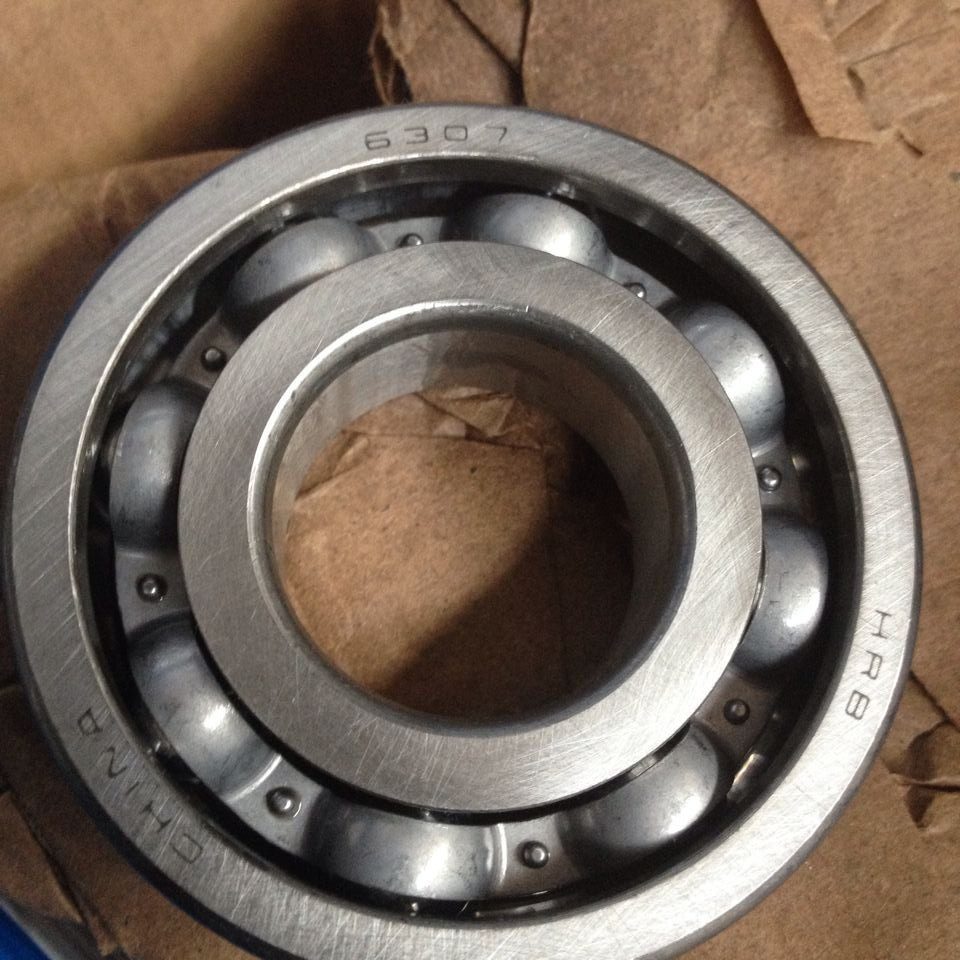 by incompatibility between the lubricant and the bearing material.
By taking the above measures, it can effectively solve the problems encountered in the lubrication process of roller bearing, ensure its normal operation, and extend its service life.