Welcome to the Bearing Official Website.
National Consultation Hotline:


 News & Updates
 Industry News
The detection standards for food processing bearings ensure the normal operation of equipment during the food processing process and are an important link in ensuring food safety. The bearings used in the food processing process as part of the mechanical equipment directly affect the hygiene and safety of the food. Therefore, the detection standards for food processing bearings not only need to meet the standards of the mechanical industry but also comply with the requirements of food safety regulations to ensure that they do not contaminate or pose potential hazards to the food.
Detection standards for food processing bearing
Material safety: The materials used for food processing bearings must be food-grade, which means these materials cannot contain harmful chemicals to human health, such as heavy metals like lead, cadmium, and arsenic, as well as various organic solvents and harmful additives.
Surface treatment: The surface of the bearing should be treated with non-toxic and harmless methods to prevent the generation of harmful substances during use, such as residual oil, lubricant, or other additives.
Cleanliness: The bearing must undergo strict cleaning and disinfection during the production process to ensure that there are no sources of contamination. This includes removing any impurities that may contaminate the food.
Sterile environment: The production environment should meet the requirements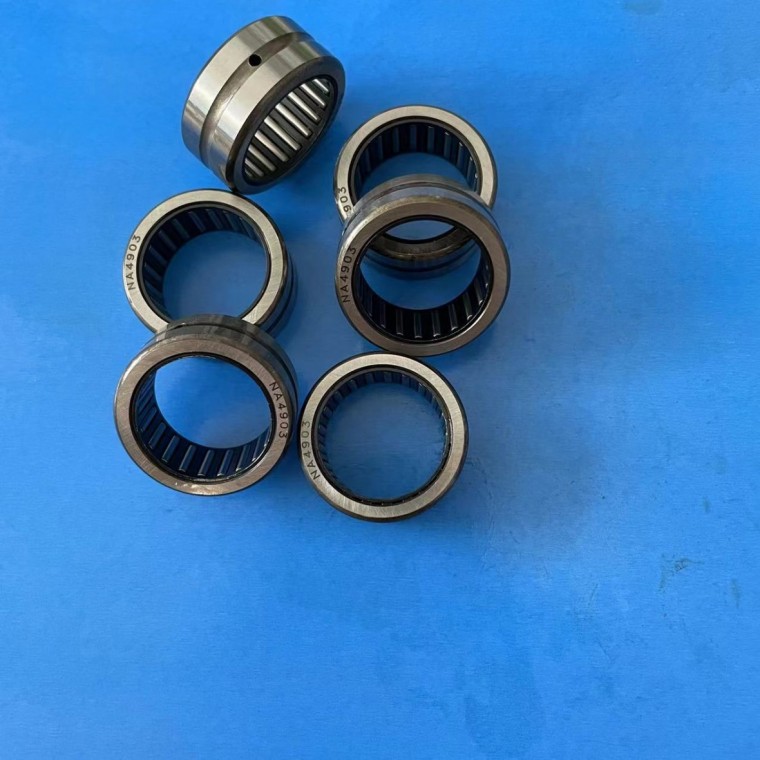 of sterile or low-pollution level to prevent the introduction of bacteria or other microorganisms during the production process.
Lubricant: If lubricant is used, it must be ensured that it is a food-grade lubricant and will not release harmful substances into the food during use.
Temperature resistance: The food processing environment usually has a high temperature, so the bearing needs to have good high-temperature resistance to ensure normal operation in a high-temperature environment.
Wear resistance and corrosion resistance: During the food processing process, it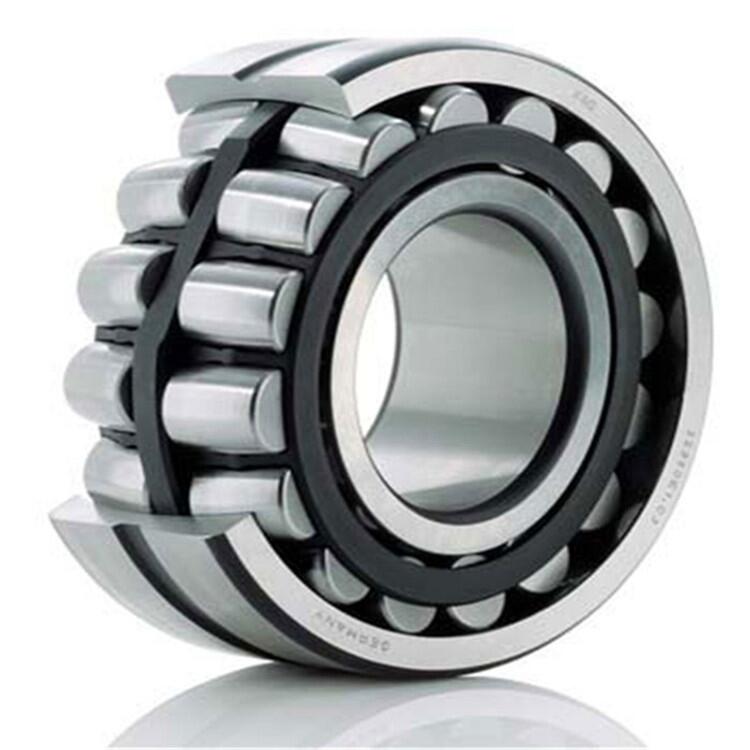 may encounter corrosive substances such as acids and alkalis, therefore, the bearing needs to have good wear resistance and corrosion resistance to ensure long-term stable operation.
Mechanical properties: The bearing should have sufficient strength and rigidity to withstand various loads during the food processing process, while ensuring that no harmful particles or fragments enter the food.
Conclusion
Ensuring the detection standards for food processing bearing are qualified not only guarantees the quality of the equipment but also serves as a defense line for food safety. Through strict quality control and inspection, it can effectively prevent food safety incidents caused by equipment problems, ensuring the health and safety of consumers.