Welcome to the Bearing Official Website.
National Consultation Hotline:


 News & Updates
 Industry News
 The application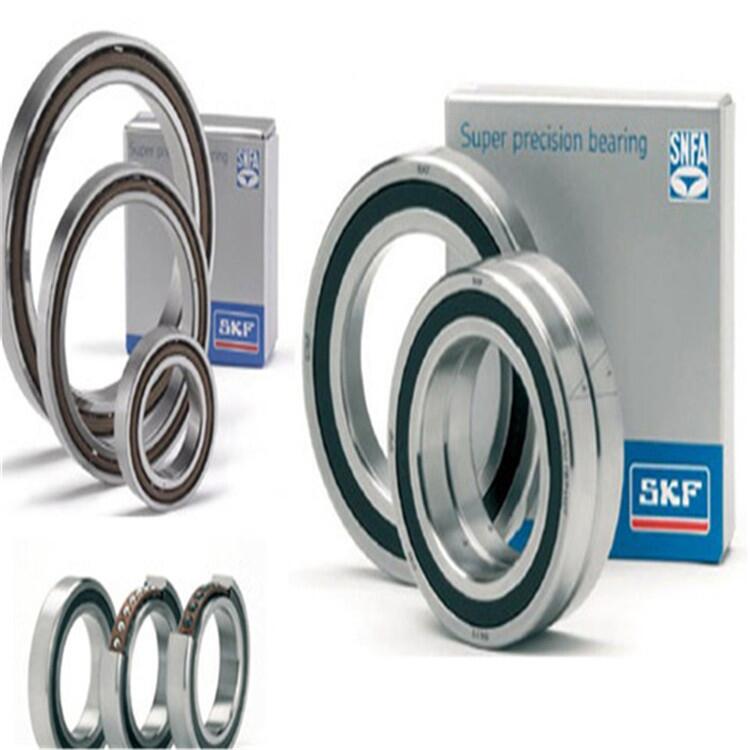 of bearing simulation
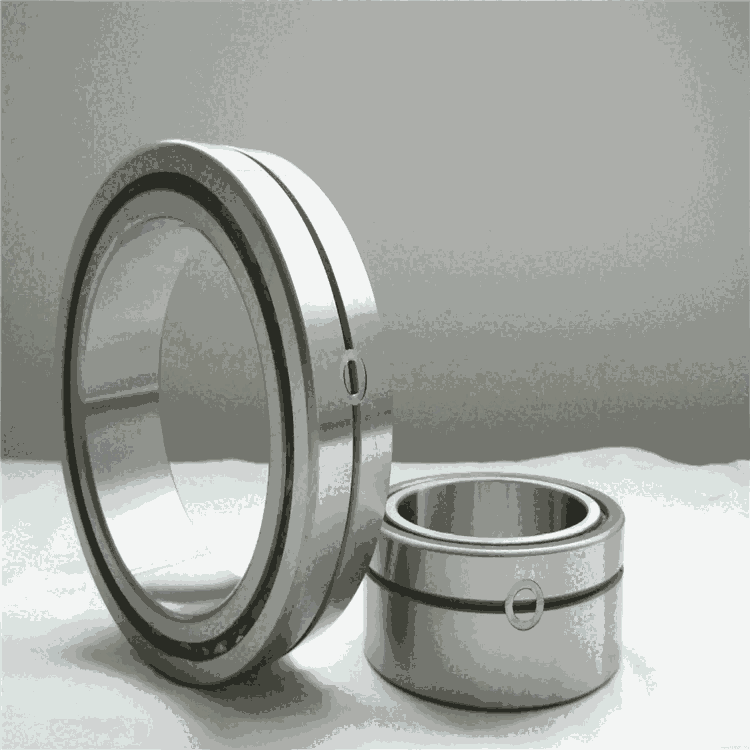 and simulation technology research in product design optimization
In today's era of rapid development of science and technology, product design optimization has become a key factor in improving product quality, reducing production costs, and enhancing corporate competitiveness. Among many products, bearings, as an indispensable part of mechanical systems, have a crucial impact on the performance of the entire mechanical system. In recent years, with the rapid development of computer technology and simulation technology, the development of bearing simulation and simulation technology has played an increasingly important role in product design optimization.
The simulation and simulation technology of bearing mainly establishes a three-dimensional model of the bearing, uses finite element analysis (FEA) and other simulation analysis methods to simulate and predict the performance of the bearing under different working conditions. This technology not only helps engineers understand the stress condition of the bearing under various working conditions intuitively, but also predicts the service life of the bearing, thus providing a scientific basis for product design optimization. For example, when designing bearings, the simulation and simulation technology can discover problems in the design in advance and make timely adjustments to avoid unforeseen problems later, greatly improving design efficiency and product reliability.
Specifically, the application of bearing simulation and simulation technology in product design optimization is mainly reflected in the following aspects:
Design optimization: Through simulation and simulation technology, the design parameters of bearings can be optimized, such as the size, shape, and material of the bearing, to achieve the best performance. For example, by simulating the bearing, it can be found that the bearing is prone to fatigue cracks under large loads, thereby optimizing the material and shape of the bearing to improve its fatigue resistance.
Material optimization: Simulation and simulation technology can predict the performance of bearing materials, such as strength and toughness, thereby optimizing materials to meet the performance requirements of bearings under different conditions. For example, by simulating the bearing material, it can be found that certain materials are prone to softening at high temperatures, thereby optimizing the material of the bearing to improve its performance under high-temperature conditions.
Working condition simulation: Simulation and simulation technology can predict the performance of bearings under different working conditions, such as bearing life, vibration, and noise, thereby optimizing the design of bearings to improve their performance under different conditions. For example, by simulating the bearing under high-speed operation conditions, it can be found that the bearing is prone to vibration during high-speed operation, thereby optimizing the design of the bearing to reduce its vibration during high-speed operation.
In summary, the development of simulation and simulation technology for bearings plays an important role in product design optimization. It not only improves the design efficiency and reliability of products, but also reduces production costs and enhances the competitiveness of enterprises.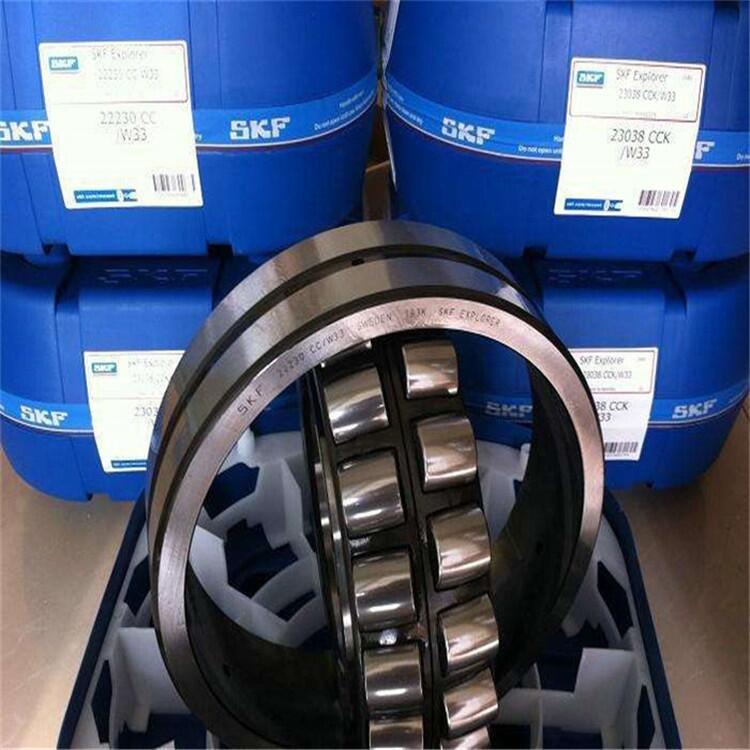 In the future, with the continuous development of simulation and simulation technology, its application in bearing design optimization will be more extensive.