Welcome to the Bearing Official Website.
National Consultation Hotline:


 News & Updates
 Industry News
Ceramic bearings are favored due to their excellent performance and wide application range. They perform well under extreme temperatures, corrosive environments, and high-speed operation. However, the lubrication needs of ceramic bearings are different from those of traditional metal bearings, so special consideration of their material properties is required when selecting and applying lubricants for ceramic bearings.
Basic characteristics of ceramic bearings
Ceramic bearings are mainly made of inorganic materials such as alumina and silicon nitride, which have extremely high hardness, heat resistance, anti-corrosion properties, and low friction coefficients. They can withstand great loads and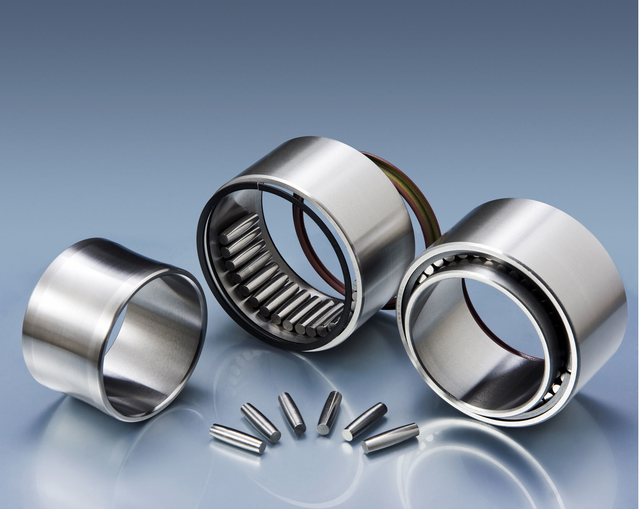 temperature changes while maintaining a long service life.
Specialty of lubrication needs
Due to the material properties of ceramic bearings, their requirements for lubricants are also different. Traditional metal bearings usually use mineral oil or synthetic oil as lubricants, while ceramic bearings require more special lubrication strategies:
Reduce friction: Ceramic materials themselves have a low coefficient of friction, but still require appropriate lubricants to reduce friction with metallic components, preventing wear caused by dry friction.
Material protection: Ceramic materials are very sensitive to corrosive media, so the lubricant selected must have good anti-corrosion properties.
High-temperature stability: In high-temperature environments, choose lubricants that can withstand high temperatures without decomposition.
Sealing: Ceramic bearings usually need to be used with seals to prevent lubricant leakage. Therefore, the lubricant must have good sealing properties.
Methods of reasonable lubrication
Considering these characteristics of ceramic bearings, reasonable lubrication methods should include:
Select appropriate lubricants: Use lubricants with excellent high-temperature stability and anti-corrosion properties, such as synthetic esters, silicone-based lubricants,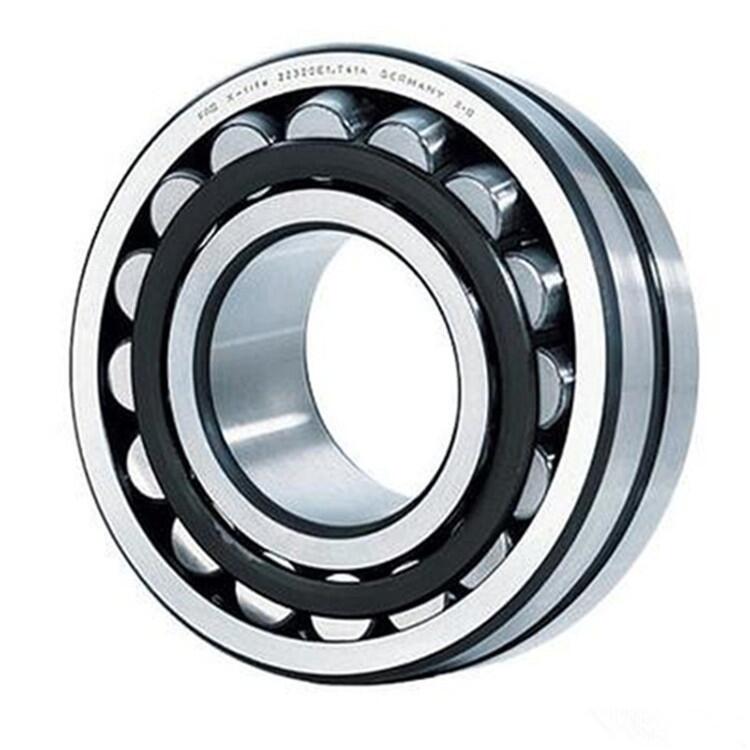 etc.
etc.
Adopt composite lubrication: By combining solid lubricants (such as graphite, molybdenum disulfide) with liquid lubricants to improve lubrication effectiveness.
Sealing design: Choose lubricants with good sealing properties to ensure that the lubricant will not leak, while also ensuring good fit between the seal and the bearing.
Regular inspection: Regularly inspect the condition of the bearing, and timely replace failed lubricants to ensure the normal operation of the bearing.
In summary, reasonable lubrication of ceramic bearings requires comprehensive consideration of their material properties and actual application environment, selecting appropriate lubricants and lubrication methods to ensure their performance and lifespan under extreme conditions.