Welcome to the Bearing Official Website.
National Consultation Hotline:


 News & Updates
 Industry News
The role of bearings in mechanical equipment is crucial; they are key components that support rotating parts and reduce friction. When a bearing suddenly fails during operation, it may cause the equipment to stop working, resulting in significant economic losses and even possibly triggering safety accidents. Therefore, mastering effective emergency handling methods and subsequent analysis is crucial for ensuring the safe operation of the equipment. The following are some basic emergency handling methods and subsequent analysis steps:
Emergency Handling Methods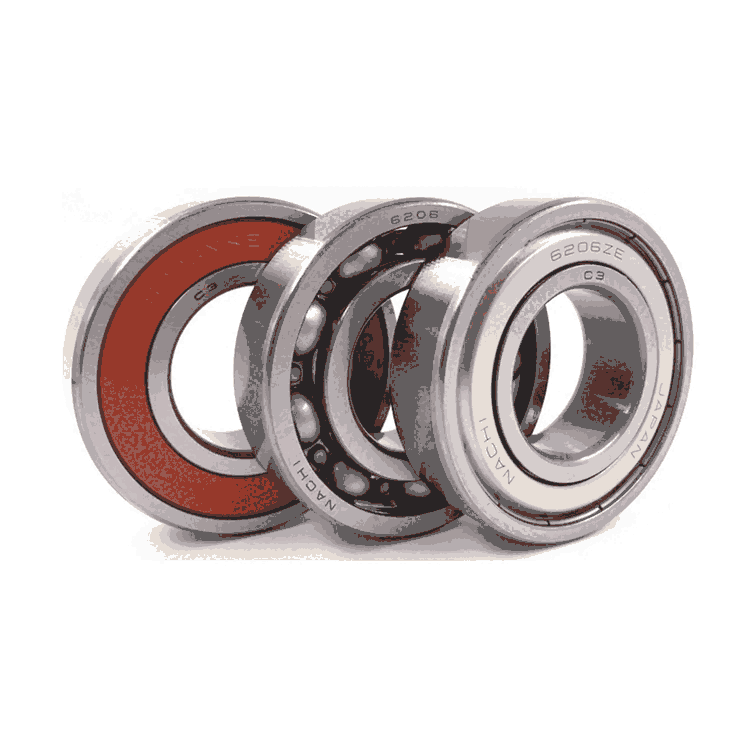
Immediately Stop Equipment Operation: Once abnormal sounds or vibrations of the bearing are found, the equipment operation should be immediately stopped to prevent the failure from expanding further.
Check Equipment Status: After ensuring that the equipment is completely stopped, check for other potential problems, such as whether the oil level is normal and whether other parts are damaged, etc.
Isolate Faulty Bearing: If possible, try to isolate the faulty bearing from the equipment for further inspection and maintenance.
Professional Maintenance or Replacement: Depending on the severity of the failure, professional maintenance or replacement of the bearing may be required. Before the professionals arrive, ensure the safety of the equipment and avoid injuries to personnel.
Record Fault Information: Detailed records of the time, environmental conditions, and equipment operating status of the fault are very critical for subsequent analysis.
Subsequent Analysis
Failure Cause Analysis: Collect all relevant information, including equipment operation records, daily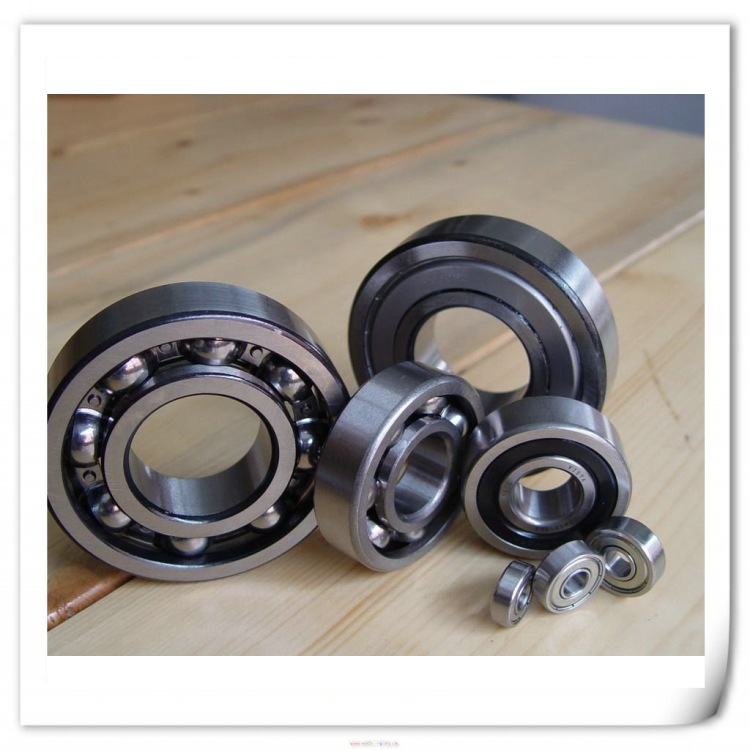 maintenance records, and environmental conditions at the time of failure, for failure cause analysis.
Preventive Measures Planning: Based on the cause of the failure, preventive measures should be formulated. This may include improving the lubrication system, regular inspections and maintenance of bearings, and replacing severely worn parts, etc.
Equipment Upgrade: If similar failures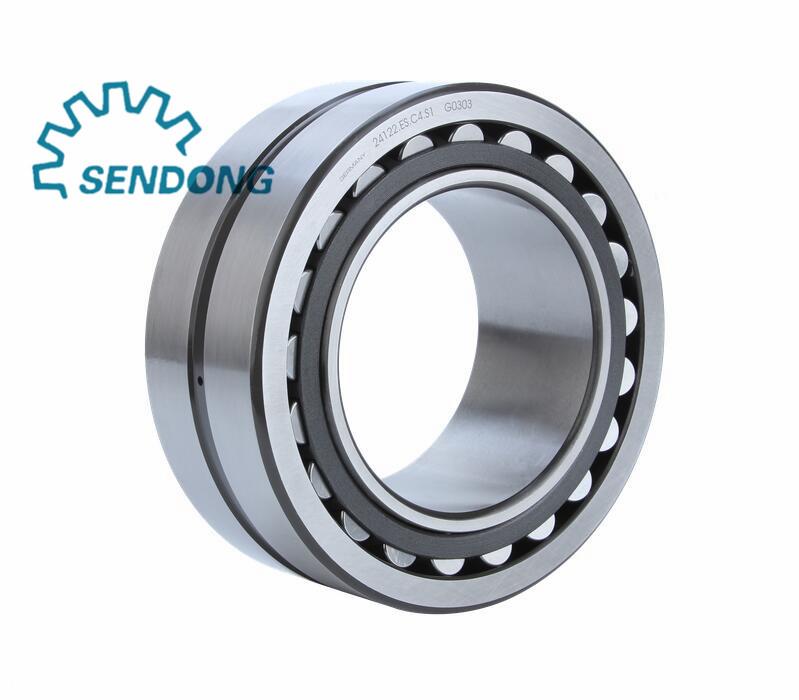 occur frequently, it may be necessary to consider upgrading the equipment to use more durable or self-protective bearings.
Training and Education: Train operators to enhance their awareness of equipment maintenance and fault identification, ensuring that proper emergency measures can be taken in the event of similar failures.
By following the above steps, not only can bearing failures be effectively handled, but the root cause of the problem can also be found through analysis and preventive measures can be taken to improve the reliability of equipment operation. Prevention is always more important than repair, so continuous equipment maintenance and regular inspections are the key to preventing bearing failures.