Welcome to the Bearing Official Website.
National Consultation Hotline:


 News & Updates
 Industry News
Joint bearings, also known as rolling bearings or sliding bearings, are mechanical components used to support rotating shafts or rotating parts. They play an important role in industrial machinery, especially in equipment that requires precise rotation and load-bearing. The load-bearing capacity of joint bearings is closely related to their performance under different swing angles and loads, and this paper will discuss this change.
Basic concept of joint bearings
Joint bearings are mainly composed of inner rings, outer rings, rolling elements, and retainers. Their main function is to support rotating parts, reduce friction between rotating parts and bearing housing, and at the same time bear axial and radial forces.
The relationship between load-bearing capacity and swing angle
In joint bearings, the influence of swing angle on load-bearing capacity is multi-faceted. Generally, an increase in swing angle will lead to changes in the internal contact points of the bearing, thereby affecting load-bearing capacity. At low swing angles, the joint bearing can maintain its designed load-bearing capacity well, but at high swing angles, due to changes in contact points and stress distribution, the load-bearing capacity may decrease. In addition, the swing angle will also affect the wear rate of the joint bearing; at high swing angles, due to frequent changes in contact points, the wear rate may accelerate.
The relationship between load-bearing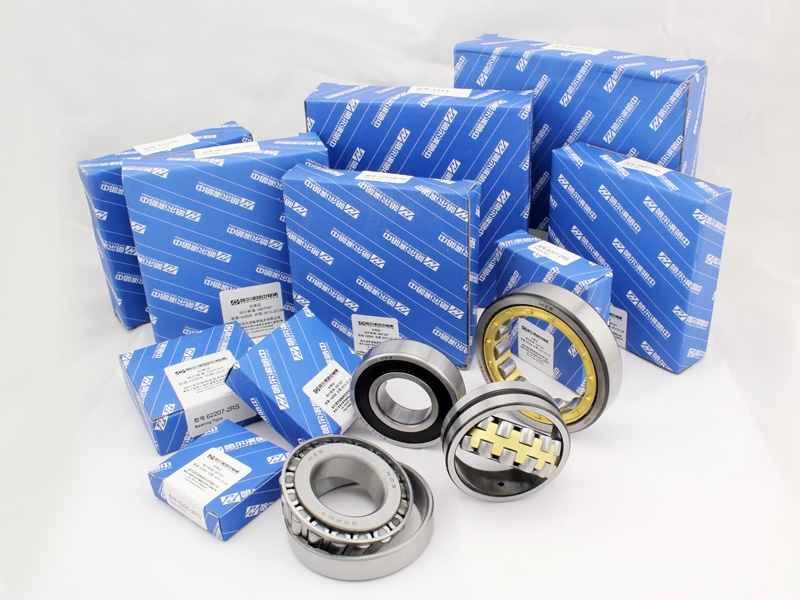 capacity and load
Under the same swing angle, the increase in load will directly lead to a decrease in the load-bearing capacity of the joint bearing. This is because the increase in load means that a greater force is required to maintain the stability and rotation of the bearing, which may lead to increased fatigue and wear of the internal material of the bearing, ultimately affecting its load-bearing capacity. In addition, the increase in load may also change the stress distribution of the joint bearing, causing certain areas to bear excessive stress, thereby shortening the service life of the bearing.
Conclusion
The load-bearing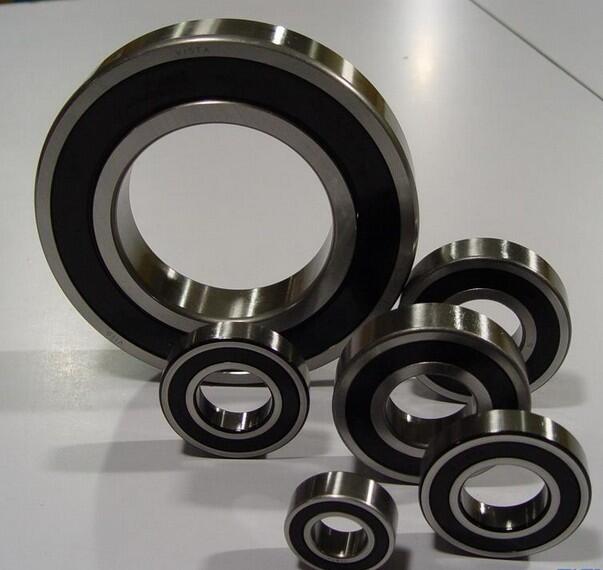 capacity of the joint bearing varies in complexity and diversity under different swing angles and loads. In order to optimize the design and application of joint bearings, it is necessary to comprehensively consider the influence of swing angles and loads on bearing performance. Through
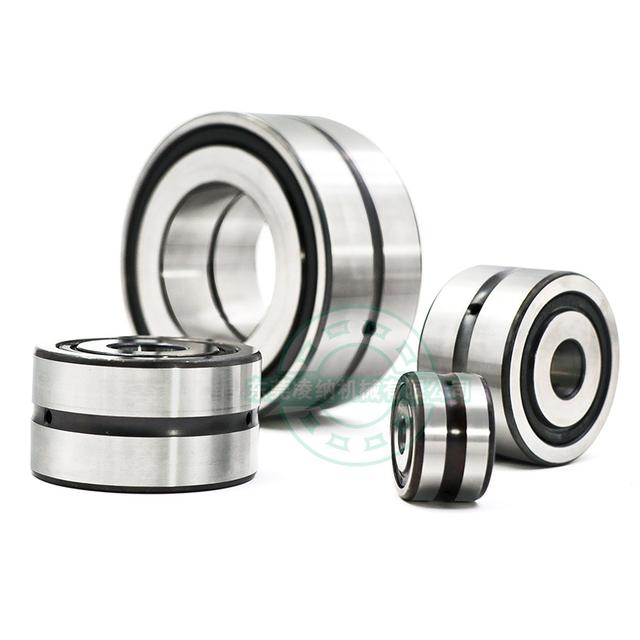 precise material selection, reasonable structural design, and advanced manufacturing processes, the load-bearing capacity of joint bearings under different conditions can be effectively improved, thereby extending their service life, improving the operating efficiency and reliability of equipment. Future research can further explore new materials and design methods to meet more complex working environments and higher load-bearing requirements.