Welcome to the Bearing Official Website.
National Consultation Hotline:


 News & Updates
 Industry News
 Joint bearings are a type of bearing used to bear rotational or reciprocating motion and are widely used in many fields such as machinery, automobiles, aerospace, and robotics. The sealing design of joint bearings is crucial for ensuring their sealing performance during complex movements, as this not only concerns their service life but also directly affects the performance and safety of the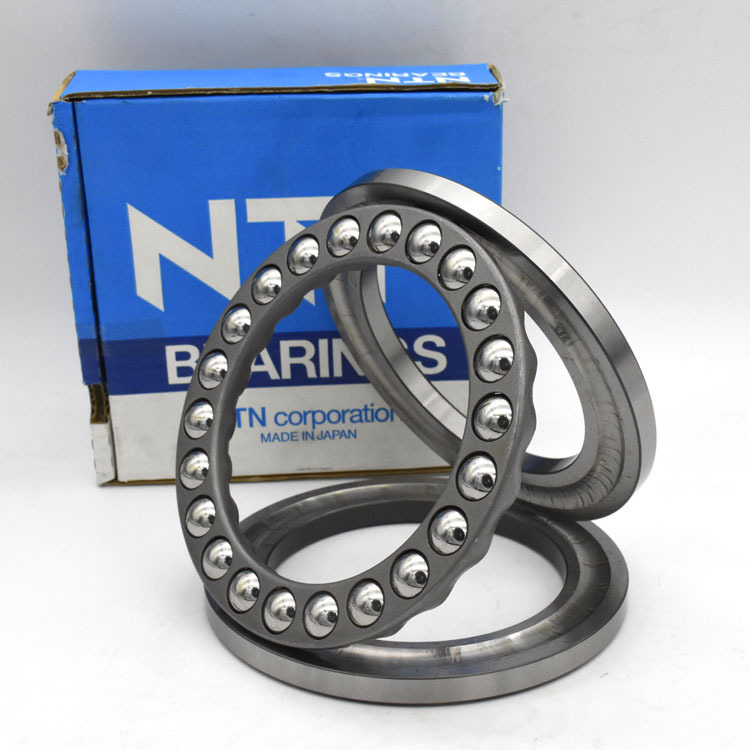 equipment. The following are some key considerations:
1. Environmental Adaptability
Joint bearings operate in different environments, so their sealing design needs to consider various possible environmental conditions. For example, for bearings exposed to harsh climatic conditions, a sealing system that is waterproof, dustproof, and rustproof needs to be designed. For those working in industrial environments, it may be necessary to consider sealing measures to prevent oil and chemical corrosion.
2. Rotational Speed and Rotation Direction
When the bearing rotates at high speed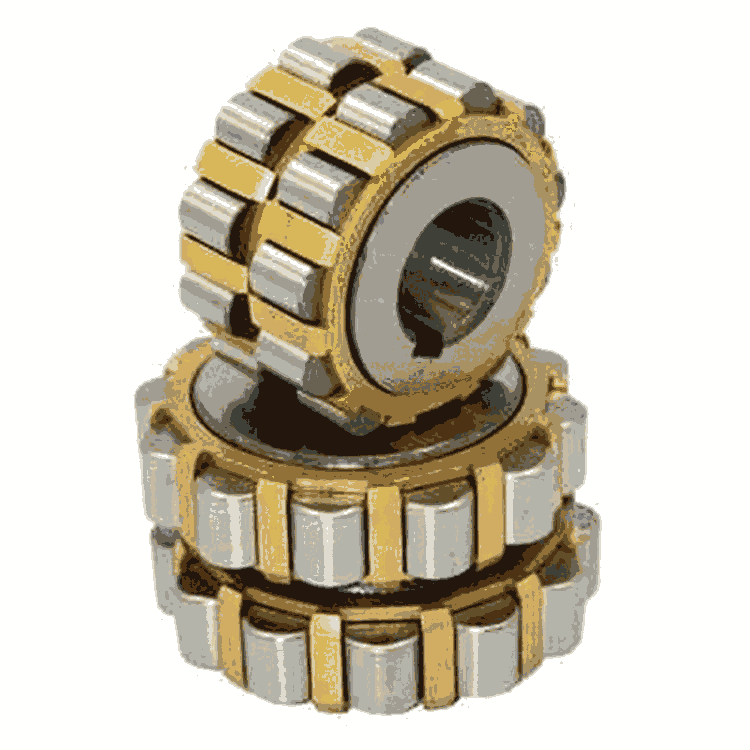 or undergoes reciprocating motion, the sealing system needs to be able to adapt to high-speed rotation and direction changes. For example, for high-speed rotating bearings, the wear resistance of the sealing material and the adaptability of the sealing system to the aerodynamic effects generated during high-speed rotation need to be considered.
3. Sliding and Rolling Friction
Joint bearings may experience the transition from sliding to rolling friction during operation, so the sealing design needs to consider the sealing performance under different friction states. For example, for sliding friction, a sealing system that prevents the entry of liquids or solid particles needs to be designed; for rolling friction, it is necessary to ensure good matching between the rolling elements and the sealing parts to reduce friction resistance.
4. Selection of Sealing Material
Choosing the appropriate sealing material is crucial for ensuring the sealing performance of joint bearings. The material needs to have good corrosion resistance, wear resistance, aging resistance, and good matching with the bearing components. At the same time, the sealing material should also consider its performance under different temperature and pressure conditions.
5. Sealing Structure Design
A reasonable sealing structure design can effectively prevent external contaminants from entering the bearing interior while maintaining the sealing of internal lubricants. For example, a double sealing structure can provide more comprehensive protection, while a dynamic sealing system can better adapt to the movement state of the bearing.
6. Maintenance and Replacement of Sealing System
Considering the aging and wear issues that may occur in the sealing system during long-term use, the design should take into account the ease of maintenance and replacement. For example, sealing components that are easy to disassemble and replace can reduce downtime caused by sealing failure.
In summary, the sealing design of joint bearings requires comprehensive consideration of various factors to ensure its sealing performance during complex movements, thereby extending its service life and improving the performance and reliability of the equipment.