Welcome to the Bearing Official Website.
National Consultation Hotline:


 News & Updates
 Industry News
Bearings in automobile engines play a crucial role, supporting and reducing friction during engine operation, which has a direct impact on engine performance. This article will discuss a specific bearing application case and analyze its impact on engine performance.
Background of the case
Taking the engine of a high-performance sedan as an example, this engine uses high-grade materials for bearings to ensure good performance and reliability under high-load and high-speed operating conditions. These bearings adopt advanced surface treatment technology, which reduces the friction coefficient and thus reduces the friction loss inside the engine, improving fuel efficiency.
Impact on engine performance
Reducing friction loss: The use of high-grade bearings can significantly reduce friction between internal components of the engine, thereby reducing the energy consumption of the engine and improving fuel efficiency.
Extending engine life: By reducing friction and wear, high-grade bearings can effectively extend the service life of the engine, reducing failures caused by wear.
Enhancing power performance: Due to the reduction in friction loss, the engine can convert fuel into power more effectively, thereby improving the power performance and acceleration ability of the engine.
Improving emission performance: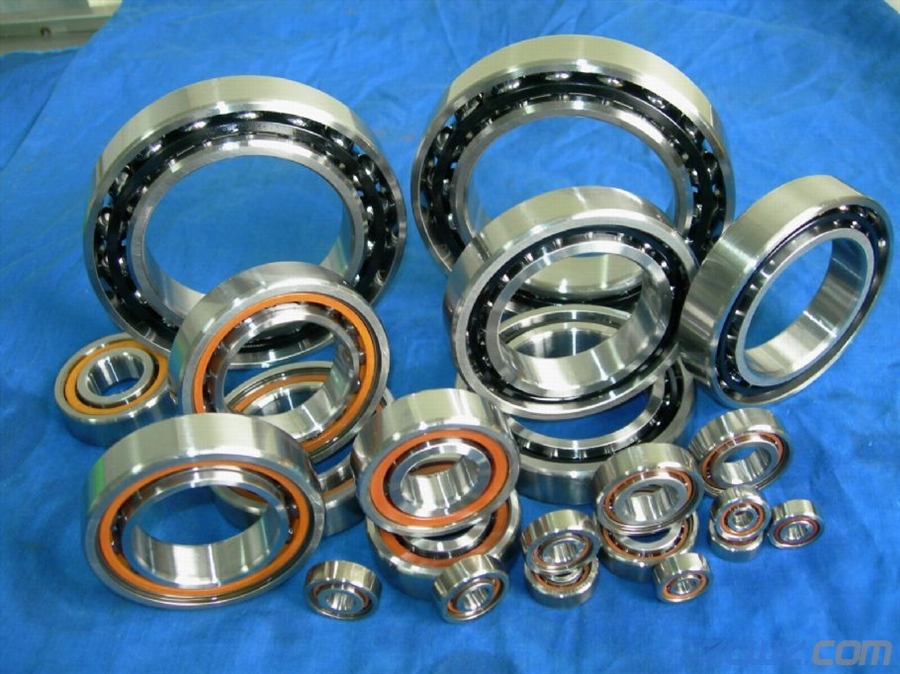 While improving engine efficiency, reducing friction loss also helps to reduce engine emissions, meeting environmental protection requirements.
Conclusion
Bearings, as one of the key components inside the engine, directly affect the overall performance of the engine. By using high-quality and high-performance bearings, not only can the performance and reliability of the engine be improved, but the environmental impact can also be reduced to some extent. Therefore, choosing appropriate bearing materials and technologies is of great significance in the design and manufacturing process of automobiles for enhancing the performance of the engine.