Welcome to the Bearing Official Website.
National Consultation Hotline:


 News & Updates
 Industry News
There are significant differences in design and manufacturing standards between aviation bearings and civil bearings, which mainly originate from the different requirements of performance and reliability in the two fields. Aviation bearings must maintain high precision and low friction under extreme environmental conditions, such as high temperature, low temperature, high humidity, high altitude, and bear large loads and impact loads to ensure the safety and efficiency of the aircraft. Civil bearings are mainly used in industrial, automotive, and mechanical equipment in daily life, and their design and manufacturing standards are relatively loose, but they still need to meet basic performance requirements, such as wear resistance, corrosion resistance, and high precision.
Aviation bearing clearance control standards
The clearance control standards of aviation bearings are extremely strict, and their purpose is to ensure that the accuracy and rotation accuracy of the bearings are maintained throughout their service life, reducing friction loss and wear, thereby extending the service life of the bearings. The clearance control standards of aviation bearings are mainly based on the following points:
High precision requirements: Aviation bearings need to operate at extremely high precision, and clearance control must be very precise to ensure rotation accuracy and reduce friction.
High reliability: In the aviation field, any minor error can lead to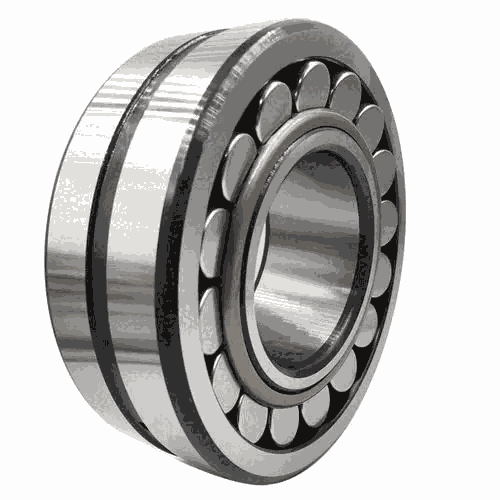 catastrophic consequences, therefore, the precision requirements for clearance control are extremely high.
High durability requirements: Aviation bearings need to operate for a long time in harsh environmental conditions, therefore, clearance control needs to ensure stability during long-term operation.
Civil bearing clearance control standards
Compared with aviation bearings, the clearance control standards of civil bearings are relatively loose. Civil bearings are mainly used in industrial and daily life, and the requirements for precision and life are relatively low. Therefore, the clearance control standards of civil bearings pay more attention to meeting the basic performance requirements, such as wear resistance and corrosion resistance, while also considering the feasibility of cost and manufacturing processes.
Differences and reasons
The differences in clearance control standards between aviation bearings and civil bearings mainly originate from the different needs of the two fields. Aviation bearings need to operate stably for a long time in extreme environments, therefore, the precision requirements for clearance control are extremely high; while civil bearings are more concerned with meeting the basic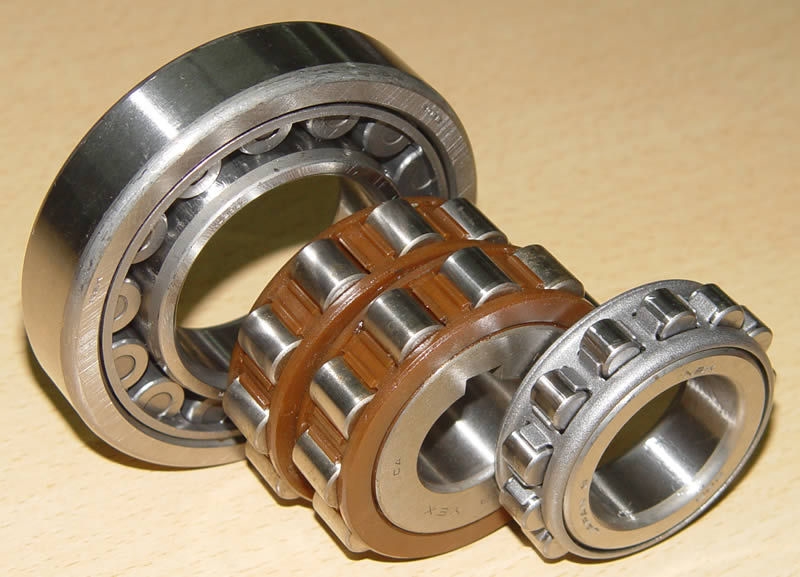 performance requirements, while also considering the feasibility of cost and manufacturing processes. In addition, the material selection and manufacturing process of aviation bearings are also more stringent to ensure their stability and reliability in extreme environments.
In summary, there are significant differences between aviation bearings and civil bearings in the standard of clearance control, which reflect the different requirements of performance and reliability in the two fields.