Welcome to the Bearing Official Website.
National Consultation Hotline:


 News & Updates
 Industry News
High-temperature bearings play a key role in industrial equipment, especially in equipment that needs to withstand high-temperature environments. The working conditions in high-temperature environments have very high performance requirements for bearings, and the thermal expansion coefficient of high-temperature bearings is one of the important factors affecting their assembly and operation performance. Below, we will discuss the impact of the thermal expansion coefficient of high-temperature bearings on assembly and operation performance.
Thermal expansion coefficient of high-temperature bearings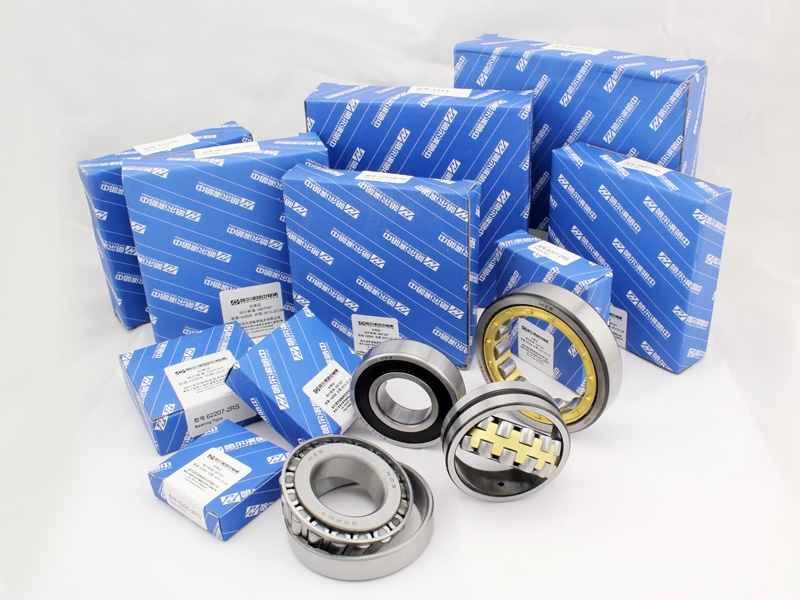
Thermal expansion coefficient refers to the characteristic of materials to expand or contract with temperature change, usually expressed by the linear expansion coefficient per degree Celsius of temperature change. For high-temperature bearings, the level of thermal expansion coefficient directly affects their performance in high-temperature environments. Generally speaking, a higher thermal expansion coefficient of materials means that materials are more likely to expand in high-temperature environments, which may affect the fit clearance, assembly accuracy, and operation performance of the bearing.
Impact on assembly
Change in fit clearance: When assembling high-temperature bearings, a certain fit clearance is required to adapt to the thermal expansion caused by temperature changes. If the fit clearance is too small, it may cause the bearing to be unable to expand freely under high temperature, which may lead to wear, noise, and even failure.
Assembly accuracy: The difference in thermal expansion coefficient of materials may affect the fit accuracy between different components. To ensure assembly accuracy, it is necessary to make precise calculations and control of the thermal expansion coefficient of different materials.
Impact on operation performance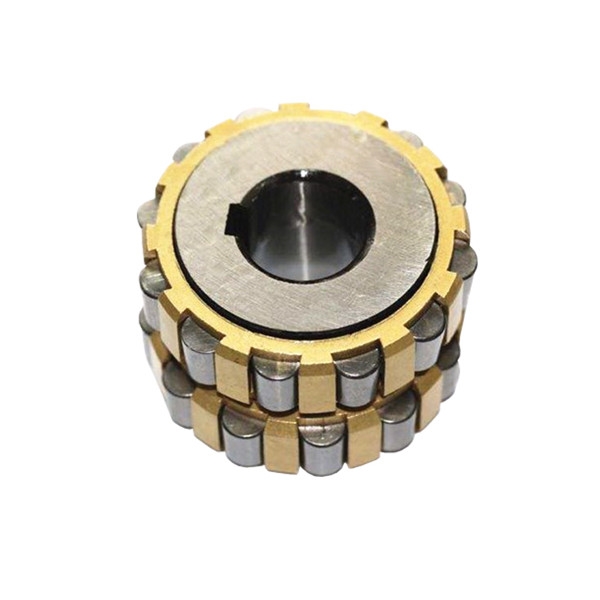
Friction and wear: In high-temperature environments, the high thermal expansion coefficient of materials may cause the fit clearance between the bearing and the shaft neck to change, which in turn affects the change in friction force, which may lead to overheat and increased wear of the bearing.
Noise and vibration: Due to the change in thermal expansion coefficient of materials, it may cause the increase in noise and vibration during the operation of the bearing, which in turn affects the stability and service life of the equipment.
Lubrication effect: The change in thermal expansion coefficient may also affect the lubrication effect of the bearing, such as the distribution and flow of lubricants, which in turn affects the lubrication performance of the bearing.
Conclusion
The thermal expansion coefficient of high-temperature bearings has a significant impact on assembly and operation performance. To ensure the normal operation of bearings in high-temperature environments, it is necessary to fully consider the thermal expansion characteristics of materials during the design and manufacturing process, and to ensure assembly accuracy and fit clearance through precise calculation and control. At the same time, choosing appropriate materials and lubrication schemes is also an important means to improve the performance of high-temperature bearings. In the future, with the advancement of material science and technology, it is believed that more high-performance bearings designed for high-temperature environments will appear to meet the needs of various industrial equipment.