Welcome to the Bearing Official Website.
National Consultation Hotline:


 News & Updates
 Industry News
Sliding bearings play a crucial role in mechanical equipment, protecting the machinery and extending its service life by reducing friction between mechanical components. However, over time, due to various factors, sliding bearings may experience wear, which can affect their performance. Therefore, monitoring the wear condition of sliding bearings and replacing them when necessary is crucial for ensuring the normal operation and extending the service life of mechanical equipment.
Wear monitoring of sliding bearings
Temperature monitoring: The operating temperature of the bearing should be kept within a certain range under normal operating conditions. An excessively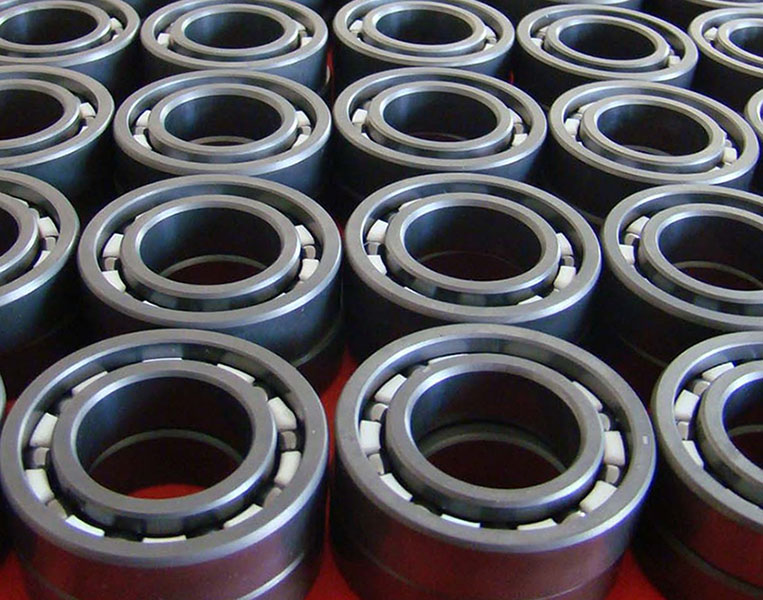 high temperature may indicate abnormal wear of the bearing and requires further inspection.
Vibration monitoring: By using vibration monitoring equipment, it is possible to detect abnormal vibrations during the operation of the bearing. The increase in vibration caused by bearing wear is an important indicator for monitoring the health of the bearing.
Sound monitoring: During normal operation of the bearing, its running sound should remain stable. If abnormal sounds are heard, it may be a sign of bearing wear or damage.
Oil analysis: Regularly check the quality of the lubricating grease or oil, and by analyzing the oil sample, it is possible to understand the degree of wear of the bearing. Changes in the composition and properties of the oil can provide clues about the wear of the bearing.
Wear particle analysis: By analyzing the wear particles removed from the bearing, it is possible to understand the specific wear condition of the bearing, including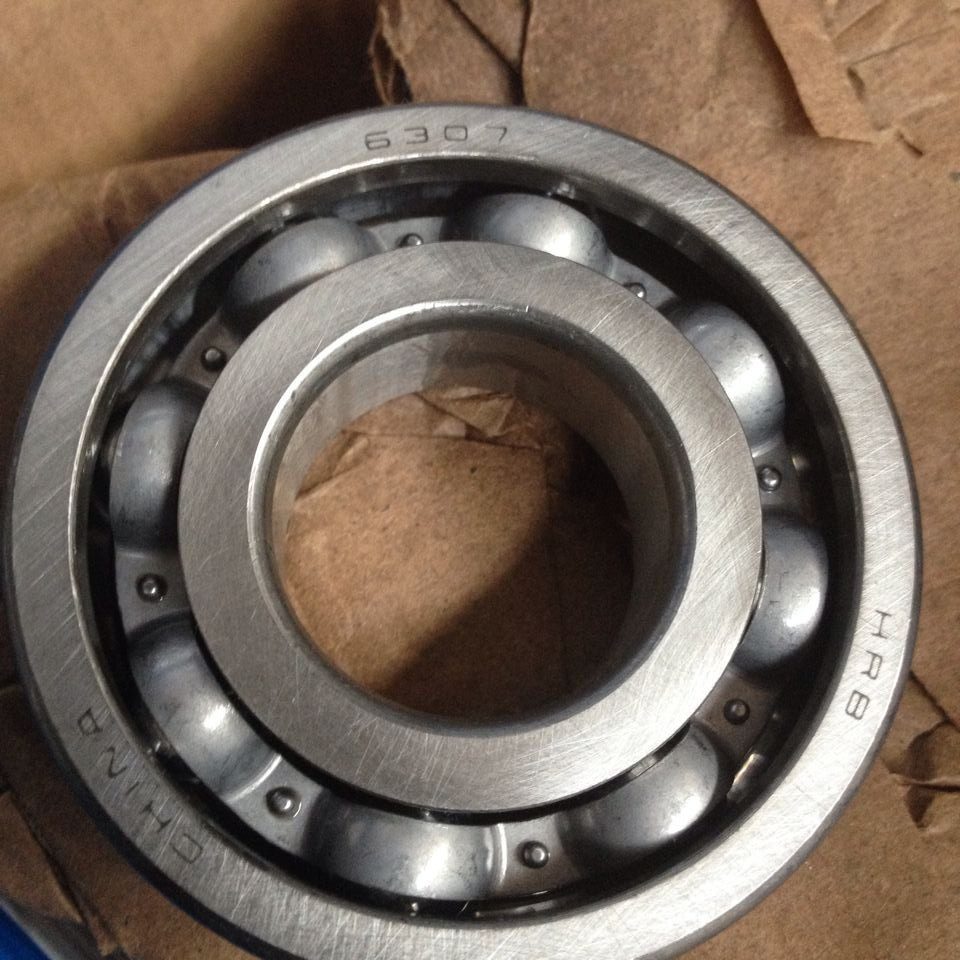 the cause and extent of the wear.
Timing of replacement
The degree of wear of the bearing varies due to factors such as equipment type, operating environment, and maintenance conditions, so there is no fixed standard to determine when a replacement is needed. However, generally speaking, when the following conditions are monitored, it may be necessary to consider replacing the bearing:
Vibration and noise have significantly increased.
The temperature has increased abnormally, especially beyond the normal range.
The quality of the lubricating oil has, and the oil sample analysis shows a large amount of wear particles.
Cracks, spalling, or other severe damage have appeared on the bearing surface.
The running time of the bearing has reached the manufacturer's recommended limit.
In summary, monitoring the wear condition of sliding bearings and taking timely measures is crucial for ensuring the normal operation of machinery and equipment and extending their service life. By comprehensively applying the above monitoring methods, it is possible to accurately determine whether the bearing needs to be replaced, thereby avoiding production interruptions and equipment damage caused by bearing failure.