Welcome to the Bearing Official Website.
National Consultation Hotline:


 News & Updates
 Industry News
Low temperature indeed has a significant impact on the dimensional stability of bearings, which mainly manifests in the physical and chemical properties of materials changing under low-temperature conditions, thereby affecting the dimensional stability of the bearings. Materials under low-temperature conditions may exhibit phenomena such as shrinkage, expansion, or changes in material strength, which may all affect the dimensional accuracy and operating performance of the bearings. Therefore, when designing and using bearings under low-temperature conditions, these factors need to be considered, and corresponding measures should be taken.
Impact of low temperature on bearing dimensional stability
Material shrinkage: Low temperature can cause the volume shrinkage of metallic materials, which may cause changes in the fit gaps between the internal parts of the bearings, affecting their normal operation.
Change in material strength: Under low-temperature conditions, the strength of materials may decrease, which may lead to deformation or damage of the bearings during operation.
Change in lubricating performance: Under low-temperature conditions, the viscosity of lubricating oil increases, and its fluidity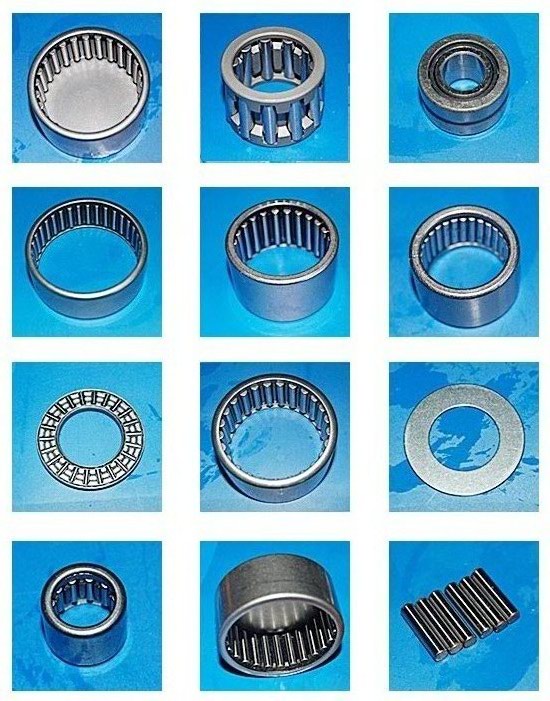 decreases, which may affect the lubrication effect of the bearings and further affect their dimensional stability.
Countermeasures
Select appropriate materials: Choose materials with good low-temperature performance for bearing manufacturing, such as some special alloy materials, which have good mechanical properties and dimensional stability under low-temperature conditions.
Optimize design: Take into account the influence of low-temperature environments in the design stage, and improve the dimensional stability under low-temperature conditions by optimizing the structural design of the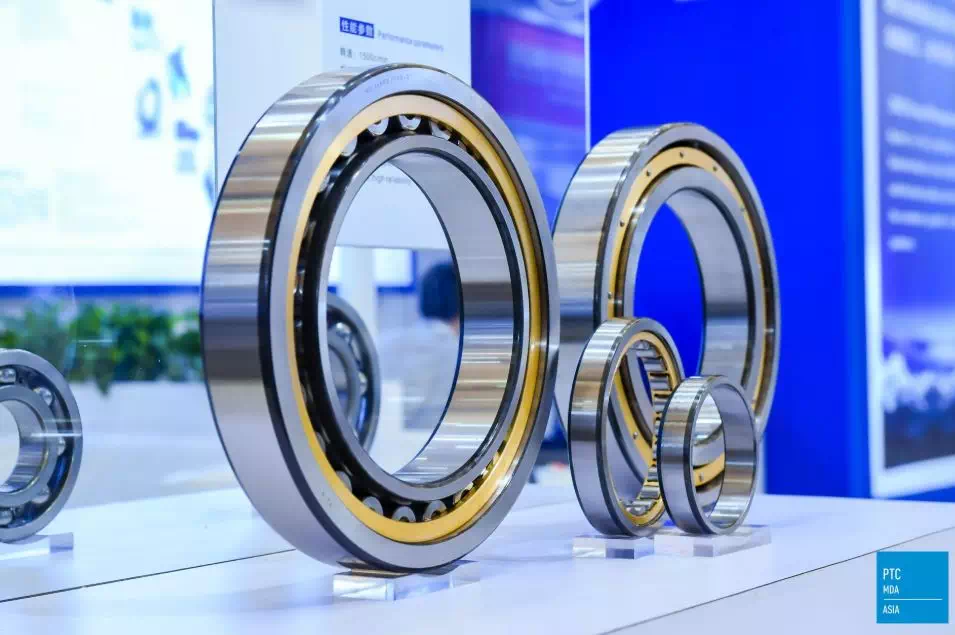 bearings, such as increasing rigidity and reducing fit gaps.
Use low-temperature special lubricants: Choose low-temperature special lubricants with lower viscosity and better low-temperature fluidity to maintain the good lubrication state of the bearings.
Temperature compensation measures: Introduce temperature compensation mechanisms in the design, such as using temperature-sensitive materials, to compensate for the effects of temperature changes on dimensional stability by altering the physical properties of the materials.
Regular inspection and maintenance: Regularly inspect and maintain bearings operating under low-temperature conditions, and promptly identify and address any potential issues to ensure their normal operation under low-temperature conditions.
In summary, in order to ensure the stability and reliability of bearings under low-temperature environments, measures need to be taken from multiple aspects such as material selection, design optimization, lubricant selection, and temperature compensation.