Welcome to the Bearing Official Website.
National Consultation Hotline:


 News & Updates
 Industry News
 Analysis of the Difference and Reasons for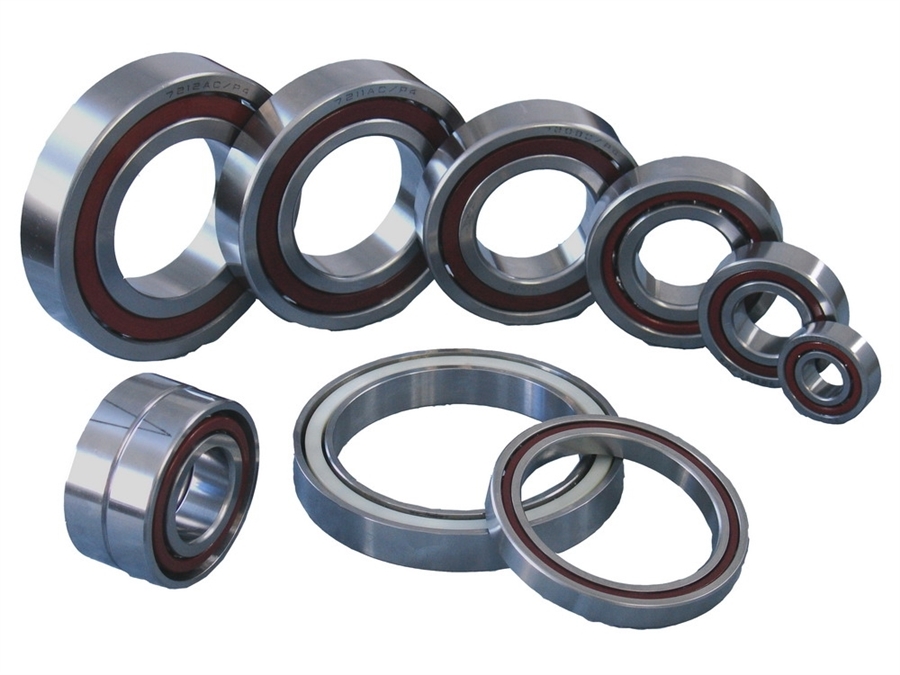 the Clearance Standards between High-Speed and Low-Speed Bearings
Bearings are an important component of mechanical equipment, and the control of clearance has a crucial impact on the performance, lifespan, and operating efficiency of the equipment. The significant difference in the clearance standards between high-speed and low-speed bearings is determined by the differences in their operating environment, working conditions, and load characteristics.
Setting of the Clearance Standard for High-Speed Bearings
The rotational speed of high-speed bearings is usually above 10,000 revolutions per minute, with an operating environment of high speed, high precision, and high reliability. The clearance standard of high-speed bearings needs to be controlled within a small range to ensure stability and accuracy during high-speed operation. A larger clearance can lead to bearing vibration and noise, affecting rotation precision and reducing the service life of the equipment. Therefore, the clearance standard of high-speed bearings is usually set more strictly than that of low-speed bearings to ensure stability during high-speed operation.
Setting of the Clearance Standard for Low-Speed Bearings
The rotational speed of low-speed bearings is usually below 1000 revolutions per minute, with an operating environment of low speed, low precision, and high reliability. The clearance standard of low-speed bearings is relatively loose to allow for certain vibration and noise, to adapt to its lower operating speed and higher load. At the same time, the clearance standard of low-speed bearings also needs to take into account the effects of wear and thermal expansion and contraction during low-speed operation to ensure its stability and reliability over a long period of operation.
Reasons for the Difference in Clearance Standards between High-Speed and Low-Speed Bearings
The difference in the clearance standard between high-speed and low-speed bearings mainly originates from the differences in their operating environment, working conditions, and load characteristics. The operating environment of high-speed bearings is characterized by high speed, high precision, and high reliability, which requires a smaller clearance to ensure stability during high-speed operation. The operating environment of low-speed bearings is characterized by low speed, low precision, and high reliability, which requires a larger clearance to adapt to its lower operating speed and higher load.
In summary, the difference in the clearance standard between high-speed and low-speed bearings originates from the differences in their operating environment, working conditions, load characteristics, and many other factors. Understanding and adhering to these differences is of great significance for ensuring the performance, lifespan, and operating efficiency of mechanical equipment.