Welcome to the Bearing Official Website.
National Consultation Hotline:


 News & Updates
 Industry News
Bearing recycling and reuse plays an important role in the industrial field, its value is not only reflected in cost saving, but also involves environmental protection and the sustainable use of resources. There are many factors affecting the recycling and reuse value of bearings, and there are also many ways to enhance these values. The following will discuss several key aspects:
Factors affecting the recycling and reuse value of bearings
Material quality: The original material quality of bearings directly affects the value of recycling and reuse. High-quality materials mean lower repair costs and higher usage value.
Degree of wear: Bearings will gradually wear during use, and the degree of wear is one of the key factors determining whether they can be effectively recycled and reused. The less wear, the higher the reuse value.
Dimensions and shapes: The dimensions and shapes of bearings have a direct impact on reuse. Bearings of certain specific dimensions and shapes have special application value in certain industries.
Cleanliness: Bearings need to be cleaned during the recycling process to remove oil, dust, and other impurities. The level of cleanliness directly affects the value of reuse.
Technical processing level: The technical processing level of bearing reuse will also affect its value. The technical level of cleaning, repair, and detection directly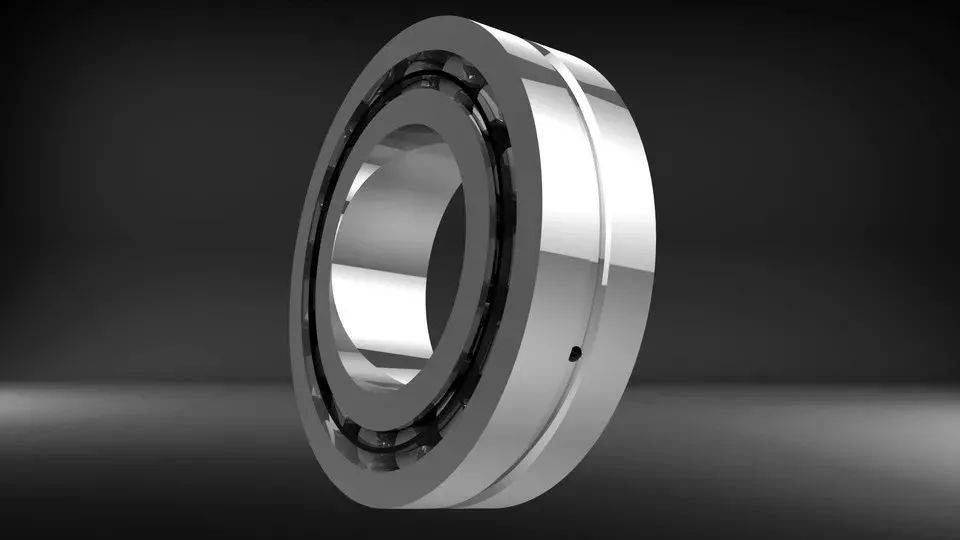 affects the quality and efficiency of reuse.
Ways to enhance the recycling and reuse value of bearings
Optimizing material selection: When designing bearings, choosing high-quality materials can reduce wear, thereby extending the service life and improving the reuse value.
Strictly controlling the production process: Through strict quality control, reduce defects in the production process of bearings, thereby reducing the cost of recycling and reuse.
Innovative repair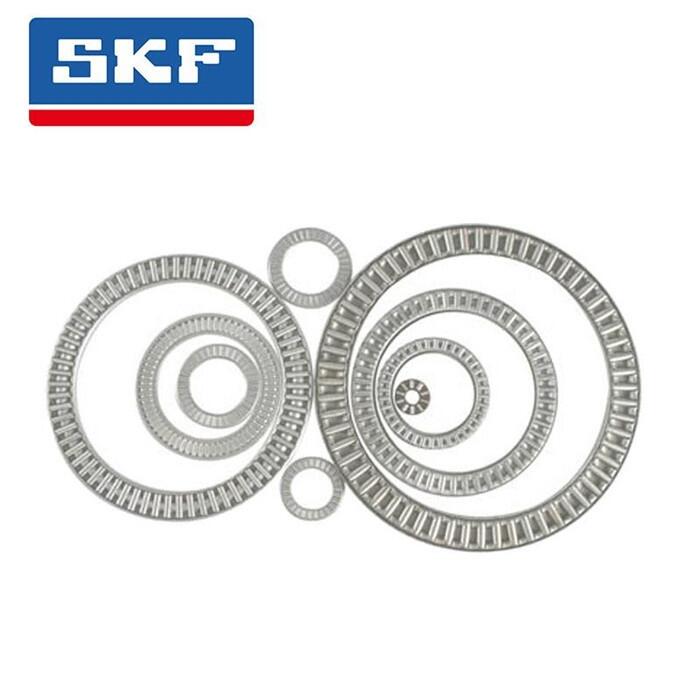 technologies: Develop and apply advanced repair technologies such as laser repair and 3D printing, which can effectively enhance the reuse value of worn bearings.
Improving cleanliness levels: Adopt advanced cleaning technologies and equipment to ensure that bearings reach high standards of cleanliness during the recycling process.
Establishing a perfect recycling system: Establish a complete system from recycling to reuse, including standardized recycling processes, professional cleaning and repair technologies, and efficient reuse channels to ensure that bearings can be utilized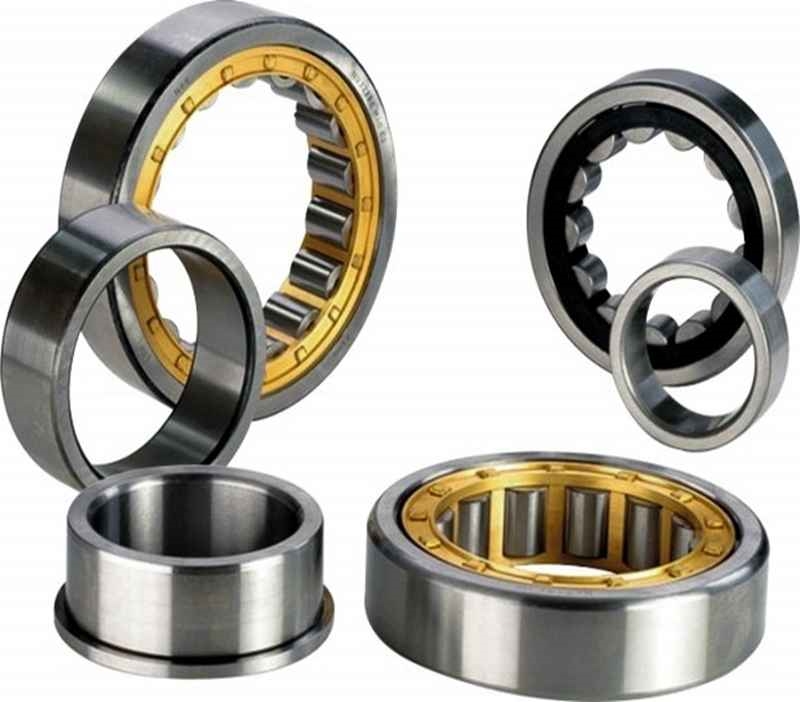 efficiently.
In summary, enhancing the recycling and reuse value of bearings is a systematic project that requires comprehensive consideration from multiple aspects, including material selection, production process control, technological innovation, cleanliness improvement, and establishing a perfect recycling system. These measures not only improve the reuse value of bearings but also promote the recycling of resources, which is of great significance for environmental protection and sustainable development.