Welcome to the Bearing Official Website.
National Consultation Hotline:


 News & Updates
 Industry News
 Ensuring that the rolling bearing is undamaged during disassembly is crucial for extending its service life and maintaining the normal operation of the equipment. The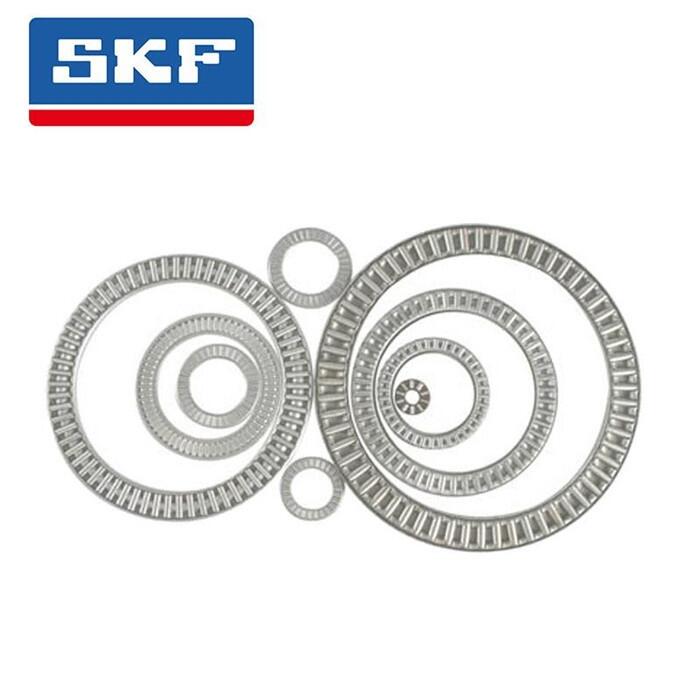 following are some key points to avoid damaging the bearing during disassembly:
Preparation: Before starting any disassembly work, ensure that you have the correct tools, including suitable wrenches, socket sets, open-end wrenches, hex wrenches, and any lubricants or cleaning agents that may be needed. Check that all tools are in good condition to ensure they can safely and effectively complete the task.
Lubrication and cleaning: Ensure that the bearing and its surrounding area are clean before disassembly. Use appropriate cleaning agents to thoroughly clean the bearing and its installation area to remove grease, dirt, and other substances that may affect the disassembly process. During cleaning, you can use compressed air to blow away any remaining dust or debris, but be careful not to apply excessive pressure to the bearing.
The correct method: Use the correct tools and techniques for disassembly. For certain types of bearings, specific tools or techniques may be required, such as special disassembly tools, heating or cooling the bearing, or using lubricants to reduce friction. Ensure that you operate according to the manufacturer's instructions to avoid damaging the bearing.
Handle with care: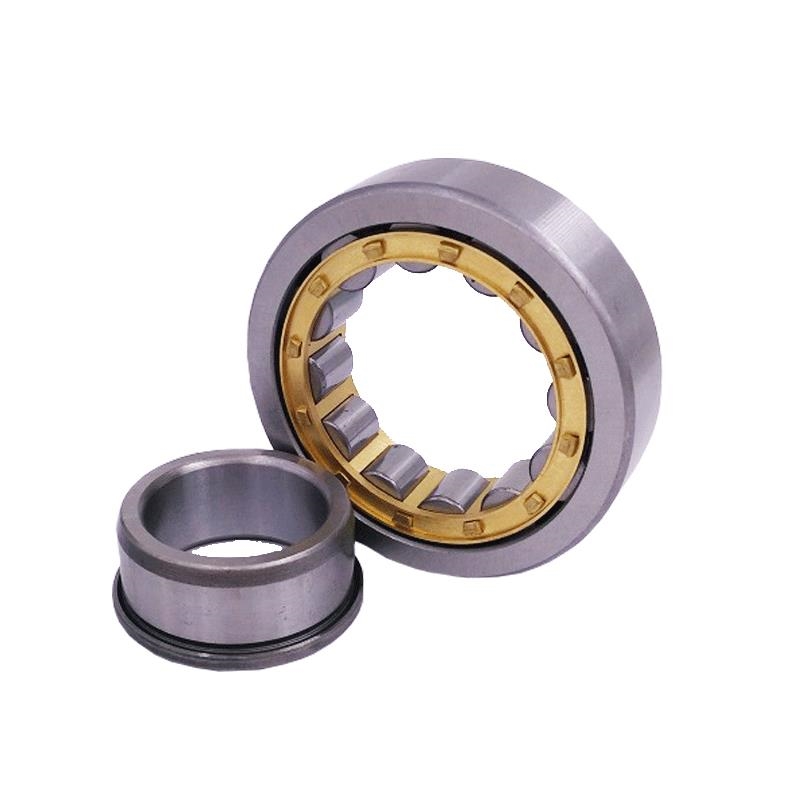 Be very careful during disassembly to avoid any mechanical damage to the bearing. Use the appropriate wrenches and torque tools to apply the correct force, avoiding over-tightening or
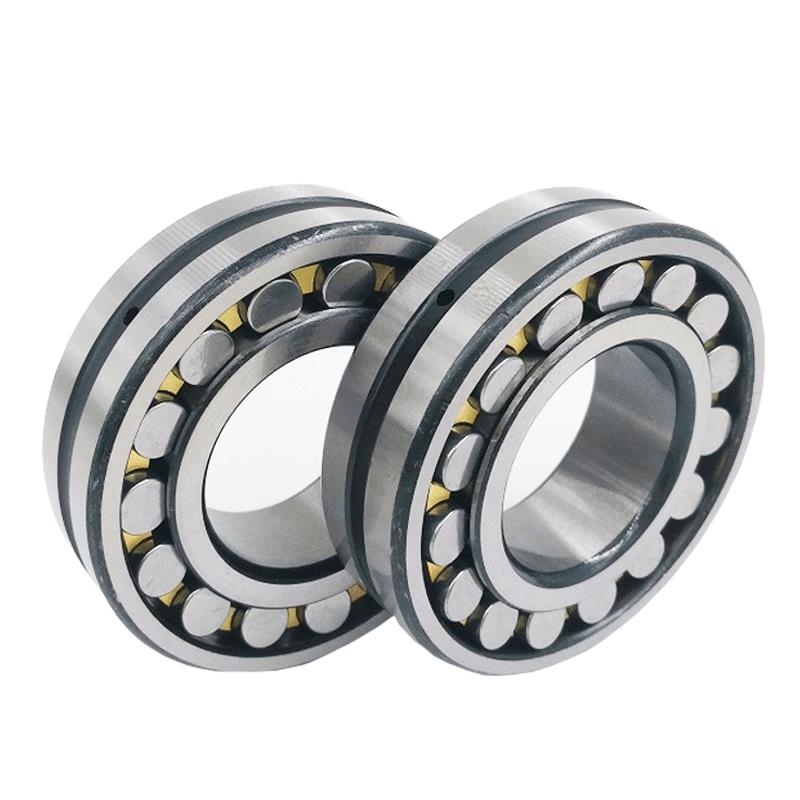 loosening, which can lead to bearing damage or deformation.
Protect the bearing: During disassembly, ensure that the bearing is not subjected to any physical impact or pressure to avoid damage to the internal components. If necessary, use protective pads or shims to cushion the bearing.
Recording and marking: Before disassembling and reinstalling the bearing, record the bearing's dimensions, type, model, and any other important information. This helps to align and position the bearing correctly during reinstallation.
Safety precautions: Ensure the safety of the work environment during disassembly and comply with all safety regulations. Wear appropriate personal protective equipment, such as goggles and gloves, to protect yourself from potential harm.
By following the above suggestions, the damage to the bearing during disassembly can be minimized, ensuring that it can continue to operate effectively in the future.