Welcome to the Bearing Official Website.
National Consultation Hotline:


 News & Updates
 Industry News
Aviation bearings play a crucial role in the aviation industry, needing to maintain stable operating conditions in extreme temperature environments to ensure the normal operation of aircraft and the safety of passengers. The environmental conditions faced by aviation bearings are extremely complex, including but not limited to high temperatures, low temperatures, vibration, shock, and corrosion. To meet the requirements of these complex environments, the design and material selection of aviation bearings must be carefully considered and strictly tested.
High-Temperature Resistance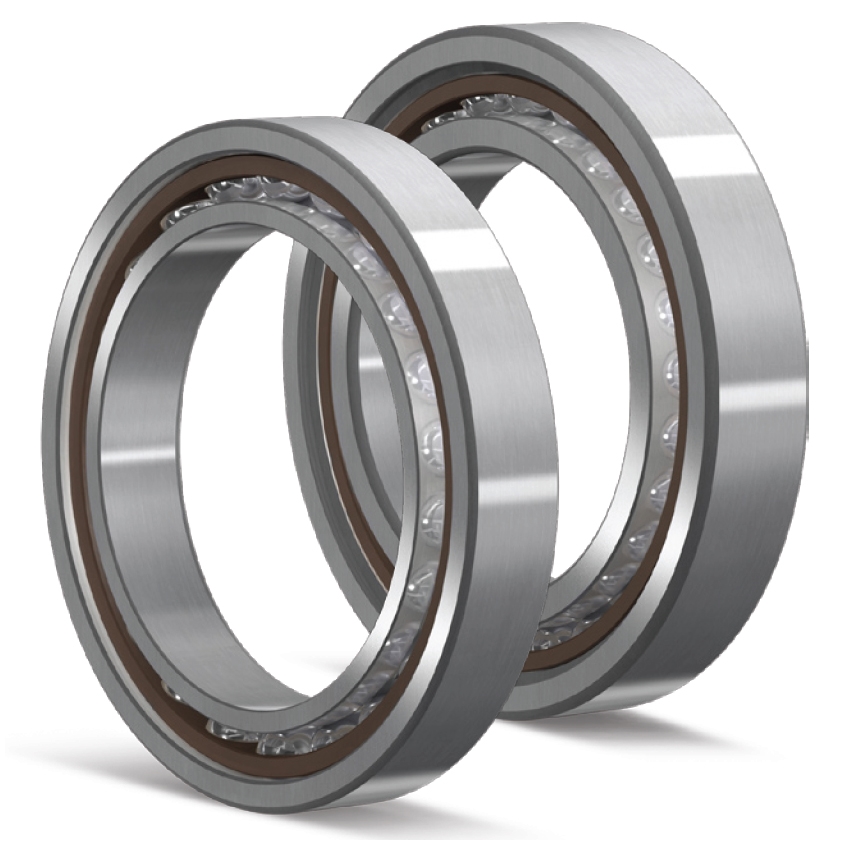
In aviation engines, aviation bearings often need to operate under high-temperature environments, especially in turbojet engines where temperatures can reach thousands of degrees Celsius. To cope with these extreme conditions, aviation bearings usually adopt special materials such as ceramic bearing materials. These materials have excellent thermal stability and can maintain their mechanical properties at high temperatures. In addition, optimizing the design of the bearings, such as reducing the contact area and improving heat dissipation efficiency, can also enhance their performance in high-temperature environments.
Low-Temperature Resistance
During polar or high-altitude flights, aviation bearings may also encounter extreme low-temperature environments. To meet this challenge, aviation bearings usually adopt materials with high-temperature and low-temperature performance, such as certain special metal alloys. These materials can maintain sufficient hardness and toughness at very low temperatures. At the same time, optimizing the lubrication system to ensure good lubrication effects under low-temperature conditions is also an important means to improve low-temperature resistance.
Combining Vibration and Shock
In addition to temperature, aviation bearings may also be affected by vibration and shock. To deal with these situations, aviation bearings usually adopt high-strength and high-toughness materials and optimize the design to reduce the impact of vibration and shock on the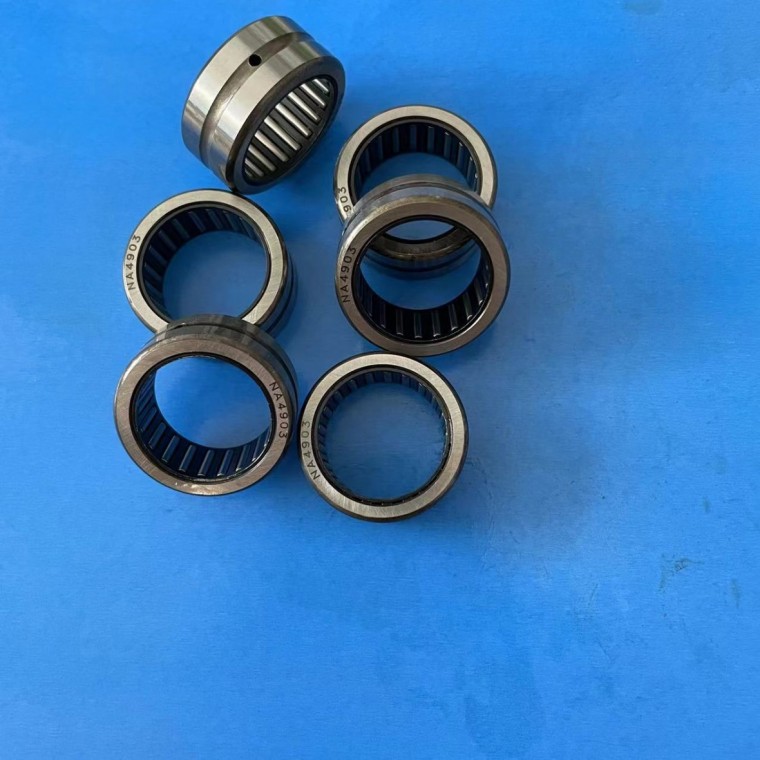 bearings. For example, special vibration reduction designs or the use of composite materials to enhance structural stability may be employed.
Comprehensive Solution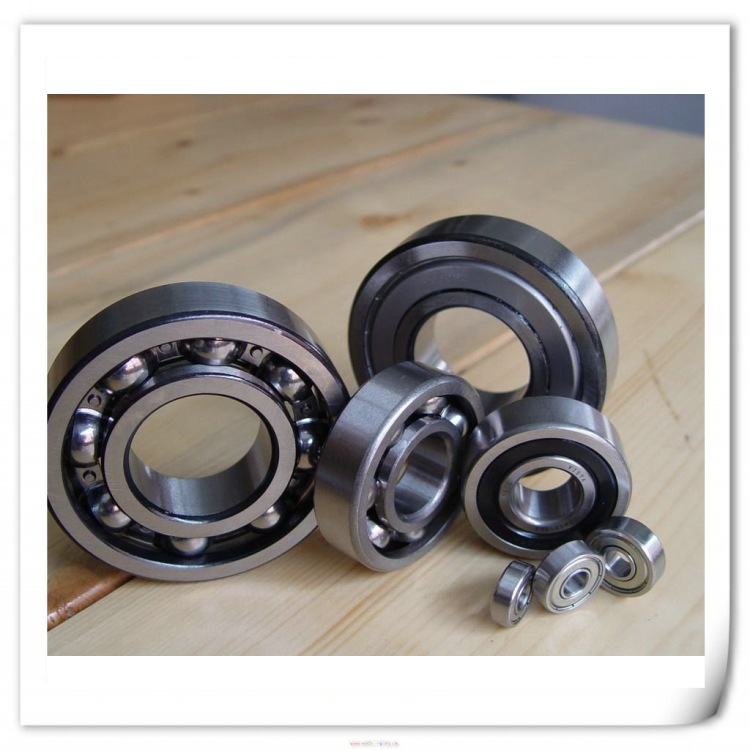
The design of aviation bearings not only needs to consider single environmental conditions but also needs to take into account a variety of factors. For example, during the design process, it is not only necessary to ensure the performance of the bearing under high or low temperature environments but also to consider the impact of vibration and shock. In addition, by using advanced materials science and engineering methods, it is possible to develop composite materials that can work at high temperatures and withstand low temperature shocks and vibrations.
In summary, the high-temperature and low-temperature resistance of aviation bearings is achieved through the combination of various technologies and the integration of materials science. These technologies not only need to meet the current demands of the aviation industry but also need to continuously adapt to more complex and extreme flight environments in the future.