Welcome to the Bearing Official Website.
National Consultation Hotline:


 News & Updates
 Industry News
Cylindrical roller bearings are a common rotating mechanical component, widely used in various types of mechanical equipment to support rotating shafts, transmit power, and bear loads. Axial positioning is an important link in the design of cylindrical roller bearings, which not only affects the installation accuracy of the bearing but also directly affects the service life of the bearing and the performance of the equipment. Therefore, choosing the appropriate axial positioning method is crucial for improving overall performance.
Axial positioning method
The axial positioning methods of cylindrical roller bearings mainly include two types: fixed axial positioning and floating axial positioning.
Fixed axial positioning: Under this method, the bearing and the supporting components (such as the shaft or bracket) are fixed and do not move. This positioning method is simple and direct, suitable for applications that do not require frequent position adjustments. However, due to the rigidity between the bearing and the supporting components, if vibrations or temperature changes occur during equipment operation, it may lead to bearing damage.
Floating axial positioning: Under this method, the bearing has a certain degree of freedom relative to the supporting components, which can adapt to changes in equipment operation to a certain extent. By using floating bearing seats or sliding bearings and other technologies, the bearing can move freely within a certain range, thereby reducing stress concentration caused by temperature changes or vibrations. The floating axial positioning method is suitable for equipment that requires frequent position adjustments or operates under complex working conditions.
Impact on overall performance
Improve equipment operation stability: Appropriate axial positioning methods can reduce equipment vibration caused by inaccurate positioning, thereby improving the overall stability of operation.
Extend bearing life: The floating axial positioning method can effectively extend the service life of the bearing by reducing stress concentration.
Adapt to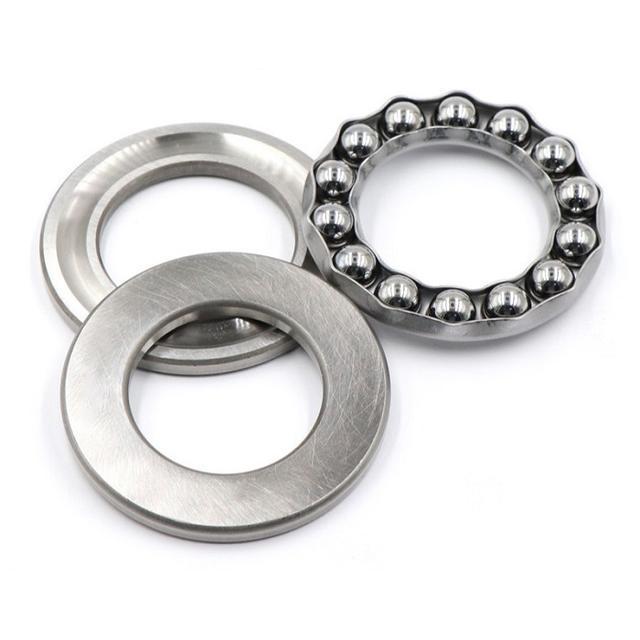 complex working conditions: The floating axial positioning method has greater flexibility and adaptability when facing complex working conditions such as temperature changes and vibrations.
Reduce maintenance costs: By reducing failure rates and extending service life, the maintenance costs of the equipment can be reduced.
In summary, choosing the appropriate axial positioning method is crucial for the overall performance of cylindrical roller bearings. During the design and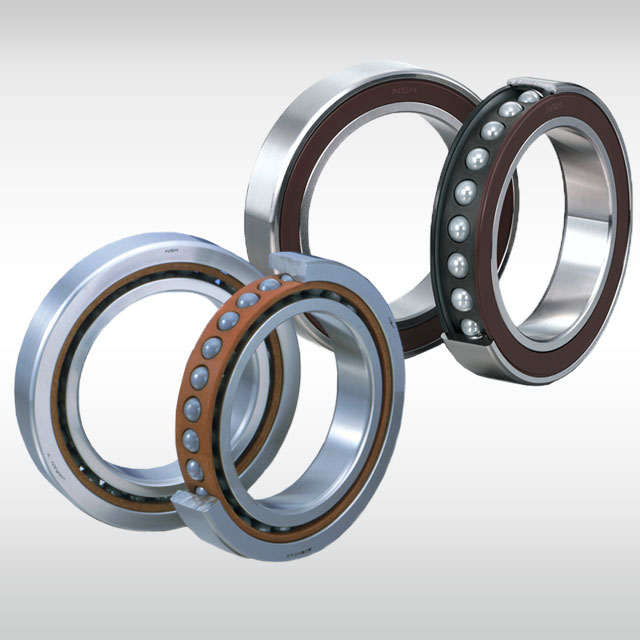 selection process, the specific working conditions and operational requirements of the equipment should be fully considered to choose the most suitable positioning method, ensuring the long-term stable operation of the equipment.