Welcome to the Bearing Official Website.
National Consultation Hotline:


 News & Updates
 Industry News
Wind turbine bearings play a crucial role in wind turbine generators, ensuring smooth operation during blade rotation. However, they also face harsh working environments, such as sand, rain, salt mist, low and high temperatures, etc. These environmental factors put high requirements on the sealing performance of the bearings. Therefore, developing effective sealing structures to prevent erosion by sand, rain, and other factors is crucial for extending the service life of wind turbine bearings and improving the operating efficiency of wind turbine generators.
Importance of wind turbine bearing sealing structure
The sealing structure of wind turbine bearings not only needs to have the ability to prevent moisture and dust from entering the internal part of the bearing, but also needs to be able to withstand certain mechanical stresses and temperature changes. In addition, a good sealing structure should have certain permeability to ensure that the lubricant inside the bearing can work normally, while reducing environmental pollution caused by lubricant leakage.
Design of sealing structures to prevent sand and rain erosion
Selection and installation of sealing rings: Select sealing ring materials with high weather resistance and chemical corrosion resistance, such as fluororubber and silicone rubber. The design of the sealing ring should consider its fit with the bearing to ensure that it will not be damaged under mechanical stress.
Design of sealing grooves: Design sealing grooves between the bearing housing and cover plate, and use sealing rings for sealing. The design of the sealing groove needs to take into account the installation and maintenance of the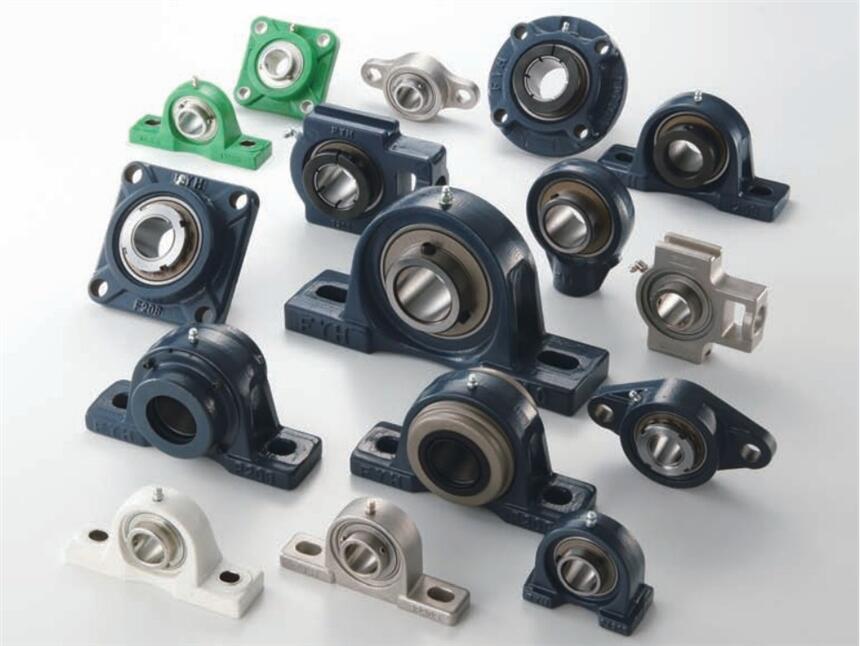 sealing ring, ensuring that it can fit tightly and maintain a good sealing effect.
Use of dust prevention nets: Install dust prevention nets at the intake of the bearing to effectively block large particles of sand and dust. The material of the dust prevention net should be selected to be corrosion and wear-resistant, such as stainless steel.
Permeability design: Reasonably design ventilation holes in the sealing structure to ensure that the lubricant inside the bearing can circulate normally, while avoiding the long-term retention of moisture, which may affect the normal operation of the bearing.
Sealing performance test: Through strict sealing performance tests, ensure that the sealing structure can effectively prevent erosion by sand, rain, and other factors. The test content includes air tightness test, water tightness test, dust tightness test, and so on.
Conclusion
Developing and applying effective wind turbine bearing sealing structures is of great significance in improving the operating efficiency and reliability of wind turbine generators. By reasonably selecting sealing materials, designing sealing grooves, using dust prevention nets, and ensuring good breathability, it can effectively prevent erosion by sand, rain, and other factors, extend the service life of the bearings, and thus enhance the stability and efficiency of the entire wind power system.