Welcome to the Bearing Official Website.
National Consultation Hotline:


 News & Updates
 Industry News
The selection of shaft sleeve materials for sliding bearings is crucial for ensuring the normal operation of the equipment and extending its service life. The selection of shaft sleeve materials not only depends on specific working conditions but also needs to consider factors such as mechanical properties, wear resistance, corrosion resistance, thermal stability, and cost. The following is an overview of some common shaft sleeve materials and their applicable working conditions.
1. Cast iron (such as gray cast iron, spheroidal cast iron)
Applicable working conditions: Gray cast iron and spheroidal cast iron are the most widely used basic materials in sliding bearings. They have good casting properties and low cost, suitable for light-load and medium-speed working conditions.
Characteristics: Gray cast iron has good wear resistance and certain compressive strength, while spheroidal cast iron improves the toughness and tensile strength of the material through the distribution of spheroidal graphite, making it more suitable for high-speed and heavy-load working conditions.
2. Engineering plastics (such as polyformaldehyde, polyamide)
Applicable working conditions: Engineering plastics, due to their low friction coefficient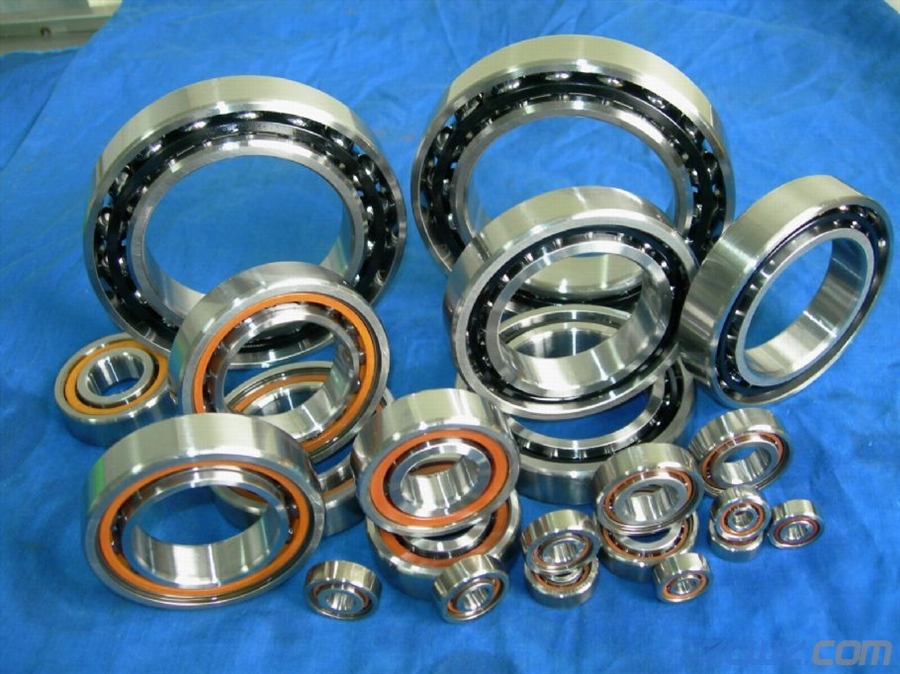 and self-lubricating properties, are particularly suitable for high-speed and heavy-load working conditions that require low friction loss and high efficiency.
Characteristics: These materials have good chemical corrosion resistance, dimensional stability, and self-lubricating properties, which can significantly reduce friction loss and improve equipment efficiency.
3. Ceramic materials
Applicable working conditions: Ceramic materials, due to their extremely high hardness and heat resistance, are suitable for high-load, high-temperature, or high-speed working conditions, such as aeroengines and high-speed bearings.
Characteristics: Ceramic materials have extremely high hardness and wear resistance and can maintain stable performance under extreme conditions.
4. Alloy materials (such as bronze, bearing alloys)
Applicable working conditions: Alloy materials are suitable for heavy-load, high-temperature, or high-speed working conditions due to their good wear resistance and corrosion resistance.
Characteristics: These materials improve the wear resistance and corrosion resistance of the material by adding alloy elements such as copper, tin, and lead, while maintaining good mechanical properties.
5. Wear-resistant alloys (such as tungsten carbide, silicon nitride)
Applicable working conditions: Suitable for working conditions under extreme wear conditions, such as high-speed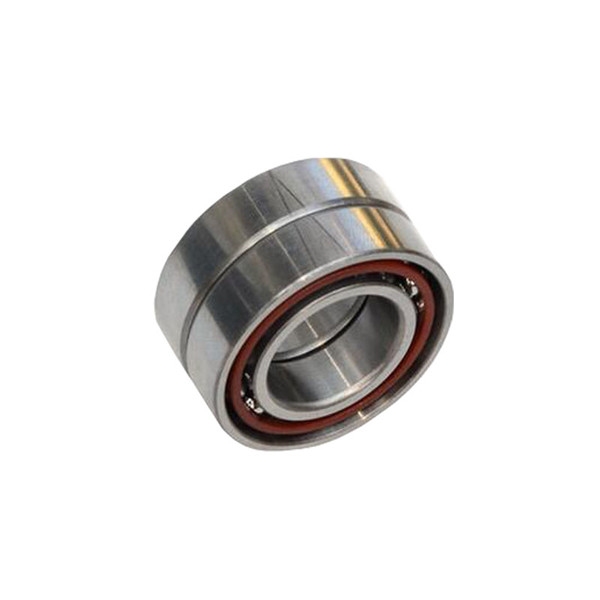 and heavy-load mechanical components.
Characteristics: These materials have extremely high hardness and wear resistance, which can effectively resist wear and are suitable for harsh working environments.
When selecting shaft sleeve materials, it is necessary to comprehensively consider the working conditions, operating environment, and cost factors of the equipment to ensure the selection of the most suitable material. In addition, with the development of technology, the application of new materials and composite materials has continuously expanded the selection range of shaft sleeve materials, providing more possibilities for the design of sliding bearings.