Welcome to the Bearing Official Website.
National Consultation Hotline:


 News & Updates
 Industry News
Outer spherical bearings are bearings with a unique structure, where their outer ring is designed as a sphere, which makes them have better load-bearing capacity and longer service life when subjected to larger radial and axial loads. However, despite these advantages, they may still be damaged for various reasons, affecting the normal operation of the equipment. The following will discuss the common causes of damage to outer spherical bearings and the corresponding preventive measures.
Common causes of damage
Overload: Exceeding the bearing design load will cause the bearing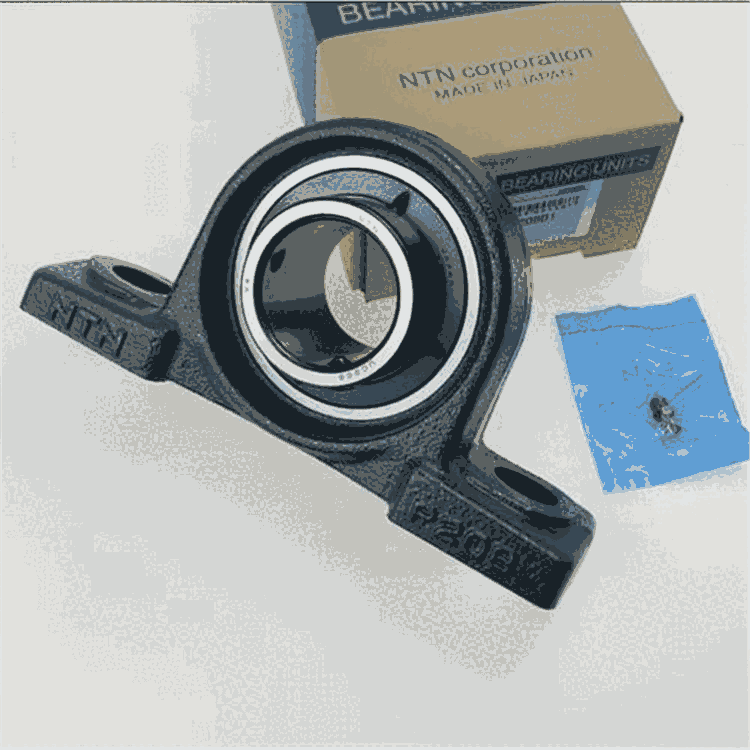 to fail prematurely.
Improper lubrication: Insufficient or excessive lubrication, improper selection of lubricants, and contamination of lubricants will all affect the service life of the bearing.
High temperature: Working under high temperature conditions will accelerate material aging and shorten the service life of the bearing.
Improper installation: Improper installation may cause additional stress on the bearing, leading to damage.
Corrosion: In humid or corrosive gas environments, the bearing material may be corroded.
Mechanical wear: The damage to parts due to mechanical wear may indirectly affect the normal operation of the bearing.
Vibration and impact: Vibration and impact may lead to damage to the bearing structure.
Preventive measures
Reasonable design and selection of bearings: Select the appropriate bearing type and size based on the actual working conditions to ensure that the bearing can withstand the expected load.
Proper installation: Install the bearing strictly according to the manufacturer's recommendations to ensure the accuracy of the installation position and avoid additional stress caused by improper installation.
Regular lubrication: Add appropriate lubricants to the bearing regularly based on the bearing's usage conditions and the manufacturer's recommendations.
Monitoring environmental conditions: Ensure that the temperature, humidity, and other conditions of the bearing working environment meet its usage requirements, and avoid damage to the bearing caused by extreme environmental conditions.
Regular inspection: Bearings should be inspected regularly to detect and address any potential issues in a timely manner.
Preventing corrosion: Appropriate protective measures should be taken for bearings that may come into contact with corrosive substances.
Enhanced maintenance: Regular maintenance should be carried out, including cleaning, inspection, and replacement of worn parts, to ensure that the bearing is in good condition.
By taking the above measures, the risk of damage to the outer spherical bearing can be effectively reduced, extending its service life, thereby improving the reliability and operating efficiency of the equipment.