Welcome to the Bearing Official Website.
National Consultation Hotline:


 News & Updates
 Industry News
Bearings, as an indispensable component of mechanical and industrial equipment, their quality and performance directly affect the reliability and service life of the equipment. Therefore, while pursuing high quality, bearing manufacturers also need to balance cost inputs to ensure the sustainable development of the enterprise. The following are some key points about bearing quality and cost management, aiming to help manufacturers find a balance between quality and cost.
1. Setting Clear Quality Standards
Firstly, manufacturers need to set clear quality standards based on product characteristics to ensure that products meet these standards at all stages of design, manufacturing, and inspection. This not only helps to improve product quality but also serves as the foundation for cost control. By setting strict quality standards, rework and waste rates can be reduced, thus lowering overall costs.
2. Introducing Advanced Quality Control Technologies
Adopting advanced quality control technologies and tools, such as Six Sigma and Lean Production, can improve production efficiency, reduce waste rates, and thereby lower overall costs. Through these methods, manufacturers can more effectively monitor and improve production processes, ensuring that every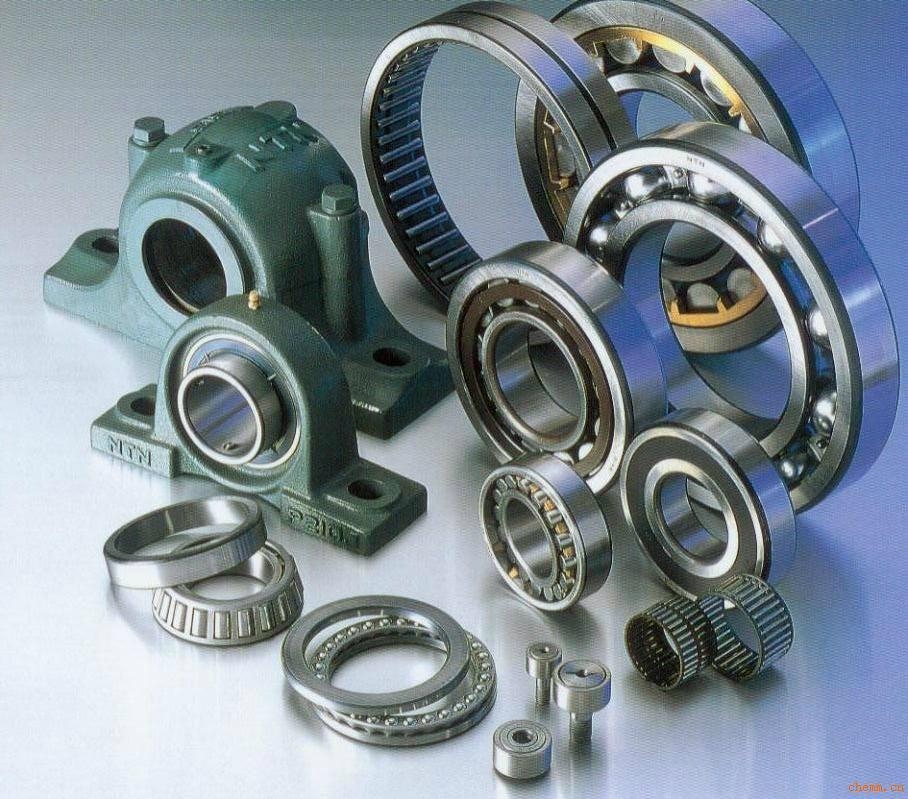 step meets high standards.
3. Optimizing Supply Chain Management
Good supply chain management is crucial for controlling costs. By establishing long-term cooperative relationships with suppliers, manufacturers can obtain more favorable prices and better services. At the same time, by optimizing inventory management and logistics processes, unnecessary waste can be reduced, thus lowering costs.
4. Continuous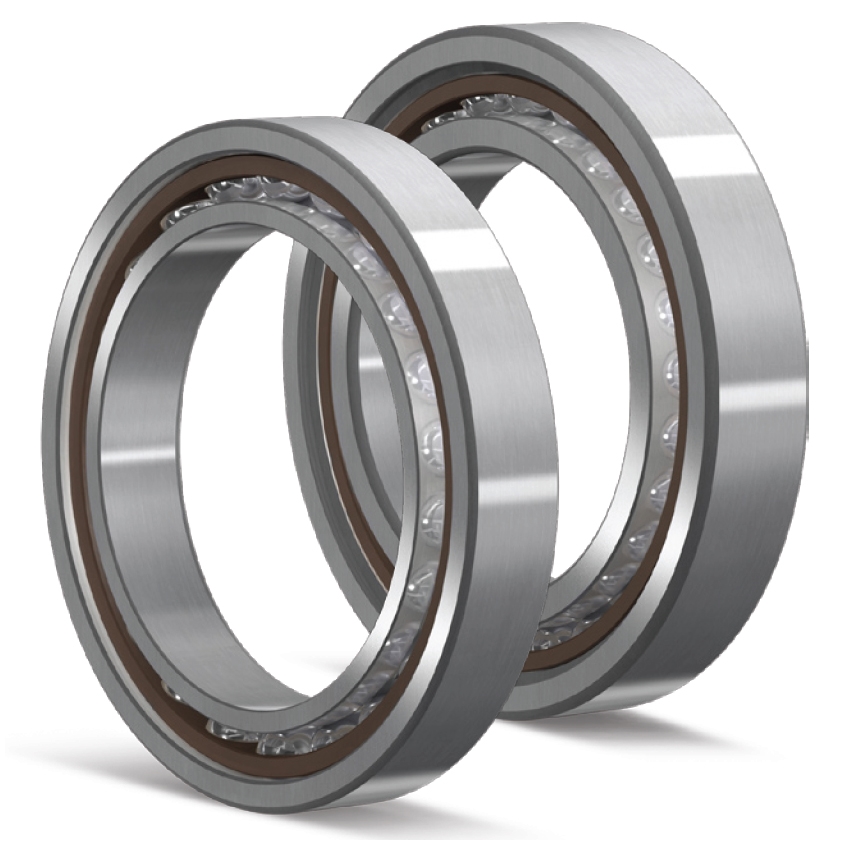 Improvement and Innovation
Continuous improvement and technological innovation are the key to improving product quality and reducing costs. By continuously improving existing production processes and technologies, manufacturers can discover and solve problems in production, while introducing new technologies to improve production efficiency. In addition, by developing new products or improving existing products, manufacturers can increase revenue while reducing unit costs.
5. Training and Employee Incentives
Employees are an important part of quality and cost management. By regular training, improving employees' quality awareness and technical level, errors and rework can be reduced, thus lowering overall costs. At the same time, establishing effective incentive mechanisms, encouraging employees to actively participate in quality improvement activities, is also crucial for improving product quality and reducing costs.
6. Customer Satisfaction and Service
Improving customer satisfaction and providing high-quality services are also important aspects of balancing quality and cost. By providing rapid response and high-quality services, manufacturers can build a good brand image, thereby attracting more customers. At the same time, by collecting customer feedback, manufacturers can understand the performance of products in actual use, providing a basis for improving products and services.
In short, balancing quality and cost input is a systematic project, which requires manufacturers to carry out detailed planning and management at all stages. By setting clear quality standards, introducing advanced quality control technologies, optimizing supply chain management, continuously improving and innovating, training employees, and providing high-quality services, manufacturers can effectively find the best balance between quality and cost.