Welcome to the Bearing Official Website.
National Consultation Hotline:


 News & Updates
 Industry News
The key role and performance requirements of magnetic suspension bearings in high-speed maglev trains
High-speed maglev trains, with their high speed, low noise, low energy consumption, and comfort, have become a major highlight in the field of modern transportation. As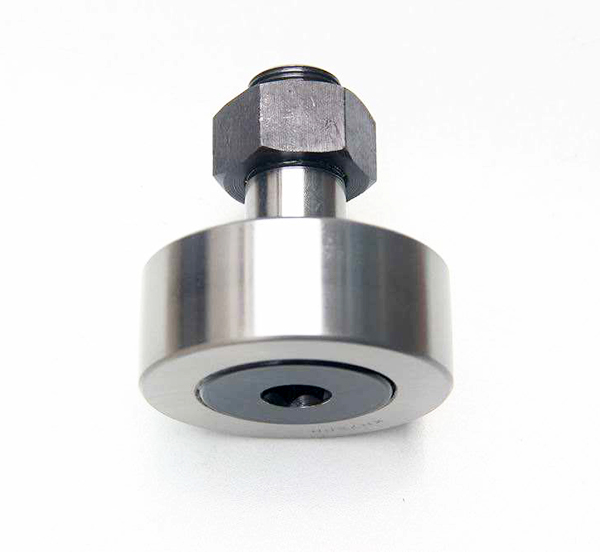 a key component of high-speed maglev trains, the performance of magnetic suspension bearings directly affects the safety and stability of train operation. This article will discuss the key role and performance requirements of magnetic suspension bearings in high-speed maglev trains.
The key role of magnetic suspension bearings in high-speed maglev trains
Suspension stability: Magnetic suspension bearings can achieve the suspension of the train above the track, thereby reducing friction resistance and improving the speed and operating efficiency of the train. By precisely controlling the magnetic force, magnetic suspension bearings can ensure that the train maintains a stable suspension state during high-speed operation, reducing the changes in suspension caused by track irregularities or changes in train weight, thereby ensuring the stability and safety of the train's operation.
Vibration and noise reduction: Another important role of magnetic suspension bearings is to greatly reduce the vibration and noise of the train during operation by reducing direct contact between the train and the track. This not only improves the comfort of the ride but also helps to reduce the impact on the environment.
Maintenance simplicity: Compared with traditional mechanical bearings, magnetic suspension bearings have the characteristic of simple maintenance. Due to the relatively simple structure of magnetic suspension bearings and their main composition of magnets and coils, the wear parts are reduced, which lowers the maintenance cost and time.
Performance requirements of magnetic suspension bearings
Suspension stability: Under high-speed operating conditions, magnetic suspension bearings need to have extremely high suspension stability to ensure that the train always remains suspended above the track, avoiding wear and failure caused by contact.
Response speed: The response speed of magnetic suspension bearings directly affects the acceleration and deceleration performance of the train. High-speed maglev trains require rapid response to adapt to complex operating environments and passenger needs.
Durability: Considering the operating conditions of high-speed maglev trains, magnetic suspension bearings need to have good durability and be able to work stably for a long time under extreme temperatures, humidity, and high loads.
Reliability: Magnetic suspension bearings must have high reliability to ensure stable operation under various operating conditions and reduce the incidence of failures.
In summary, the key role of magnetic suspension bearings in high-speed maglev trains lies in providing stable and reliable suspension support, ensuring the performance of the train during high-speed operation. Its performance requirements not only include technical indicators such as suspension stability and response speed, but also involve factors such as durability and reliability to ensure the safe and efficient operation of high-speed maglev trains.