Welcome to the Bearing Official Website.
National Consultation Hotline:


 News & Updates
 Industry News
High-temperature bearings play an important role in industrial applications, especially in machinery and equipment with high load and high-speed operation. High-temperature bearings are prone to material fatigue, performance degradation, and even failure due to long-term exposure to high-temperature working environments. Therefore, choosing the appropriate cooling method and designing an effective cooling system is crucial for extending bearing life and improving equipment performance.
Cooling methods for high-temperature bearings
Natural cooling: Suitable for applications with lower working temperatures and higher environmental temperatures. This method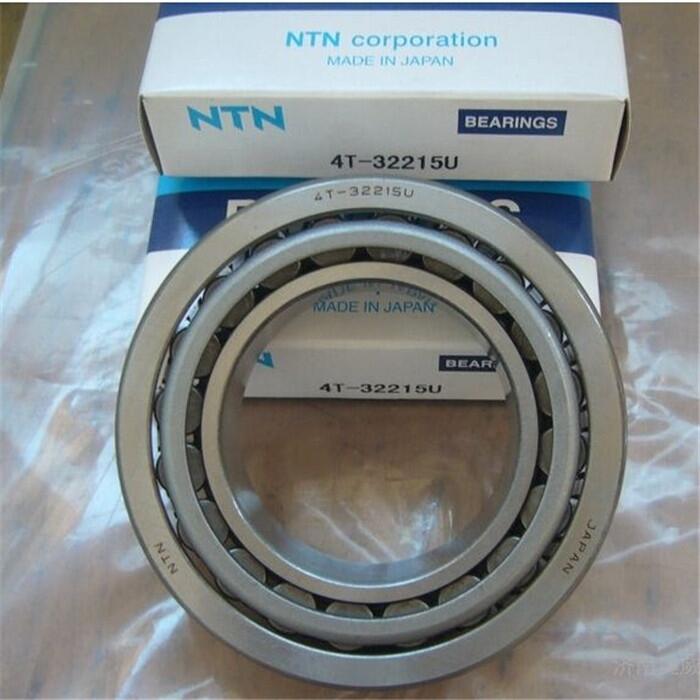 relies on the environmental temperature to reduce the bearing temperature, but the cooling effect is limited and not suitable for high-temperature working environments.
Forced air cooling: Force the cooling air to pass over the bearing surface through a fan or blower to reduce the bearing temperature. This method is suitable for applications that require rapid heat dissipation.
Liquid cooling: Utilize circulating cooling fluid (such as water or oil) to directly or indirectly cool the bearings. This method has good cooling effect but the system is complex and requires regular maintenance.
Solid cooling: Transfer heat to the external cooling medium through thermal conductive materials. This method is suitable for applications that require precise temperature control.
Key points of cooling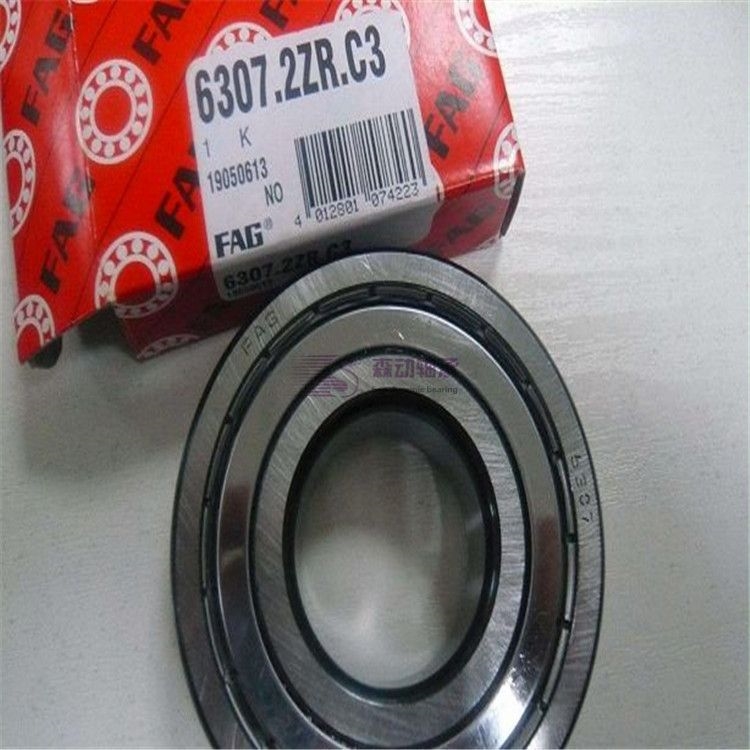 system design
System design: The design of the cooling system needs to consider environmental temperature, working temperature, bearing type, and load factors to determine the appropriate cooling method and cooling medium.
Selection of cooling medium: For liquid cooling, it is necessary to select a suitable cooling fluid, such as water or oil, which should have good thermal conductivity, chemical stability, and compatibility with bearing materials.
Radiator design: The design of the radiator directly affects the cooling effect. The radiator should have sufficient cooling area and good thermal conductivity to ensure that the cooling fluid can effectively remove heat.
Temperature control system: To ensure that the bearing operates at the optimal working temperature, a temperature control system needs to be designed to monitor the bearing temperature in real time and adjust the operating status of the cooling system according to the temperature.
Maintenance and maintenance: Regularly check the operating status of the cooling system, timely replace failed cooling fluids, clean the dirt on the radiator, and ensure the long-term stable operation of the cooling system.
In summary, the design of the cooling system for high-temperature bearings is a comprehensive engineering problem that requires the rational selection of cooling methods and the design of cooling systems based on specific application scenarios and requirements to ensure the efficient operation and long-term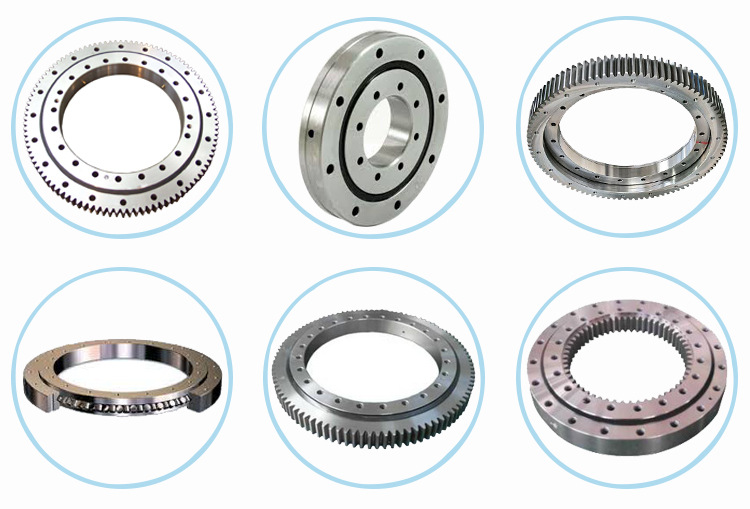 stability of the equipment.