Welcome to the Bearing Official Website.
National Consultation Hotline:


 News & Updates
 Industry News
As an important part of the mechanical manufacturing industry, the quality of products and manufacturing technology in the bearing manufacturing industry has a direct impact on the performance of mechanical equipment. Therefore, it is crucial for professionals engaged in the bearing manufacturing industry to receive systematic professional skill training. The following is an overview of the setting and key content of the professional skill training courses for the bearing manufacturing industry:
One, Overview of Course Setting
The professional skill training courses for the bearing manufacturing industry usually include basic theoretical knowledge, process technology, quality control, equipment operation, teamwork, and continuous learning, among other aspects. These courses aim to comprehensively enhance the professional skills and comprehensive quality of trainees to meet the needs of industry development.
Two, Introduction to Key Content
Basic theoretical knowledge: Covers material science, basic mechanical design, heat treatment technology, surface treatment technology, etc., providing trainees with a solid theoretical foundation.
Process technology: Includes precision processing technology, heat treatment technology, surface treatment technology, etc., and in-depth study of various process methods and technologies involved in the bearing manufacturing process.
Quality control: Focus on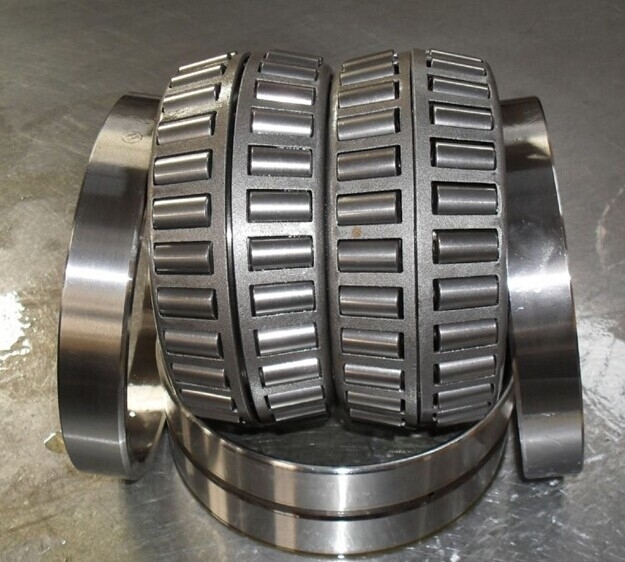 the explanation of quality management systems, quality inspection technology, defect analysis and prevention, etc., to ensure that the products produced meet high-quality standards.
Equipment operation: Provide detailed explanations for the operation and maintenance of various bearing manufacturing equipment, enabling trainees to operate the equipment skillfully and perform equipment maintenance.
Teamwork and communication: Improve trainees' teamwork ability and communication skills through case analysis and simulation training.
Continuous learning and innovation: Encourage trainees to pay attention to industry dynamics, cultivate the spirit of continuous learning and innovation, and adapt to the needs of rapid industry development.
Three, Conclusion
The professional skill training courses for the bearing manufacturing industry are designed to comprehensively enhance the professional skills and comprehensive quality of the trainees. Through systematic learning and practice, trainees can better respond to industry challenges and promote the continuous and healthy development of the bearing manufacturing industry.