Welcome to the Bearing Official Website.
National Consultation Hotline:


 News & Updates
 Industry News
Rolling bearings are widely used mechanical components, mainly used to bear axial and radial loads in rotating machinery. They reduce friction by rolling the rolling elements between the inner and outer rings, thereby improving mechanical efficiency and service life. The basic structure of rolling bearings is relatively simple, but the collaborative work of each component ensures their high efficiency and reliability. Below, we will discuss in detail the basic structure of rolling bearings and the role of each component.
Basic structure of rolling bearings
Rolling bearings are usually composed of the following parts:
Inner ring: The inner ring is mounted on the shaft and rotates with the shaft. The inner diameter of the inner ring is designed to match the diameter of the shaft to ensure proper fit between the two.
Outer ring: The outer ring is fixed on the bearing housing or other stationary components and does not rotate with the shaft. The outer diameter of the outer ring is designed to match the diameter of the rolling elements to ensure free rolling of the rolling elements.
Rolling elements: Rolling elements are the actual rolling parts in rolling bearings, commonly in the shape of balls, cylindrical rollers, etc. Their role is to transfer the load from the inner ring to the outer ring while reducing friction between the inner and outer rings.
Retainer: The retainer is located between the rolling elements and the inner and outer rings, and its main function is to distribute the rolling elements uniformly and prevent them from contacting or colliding with each other during rotation, maintaining the stability of the internal structure of the bearing.
The role of each component
Inner and outer rings: They provide the internal space of the bearing, ensure that the rolling elements roll within it, and at the same time bear the pressure from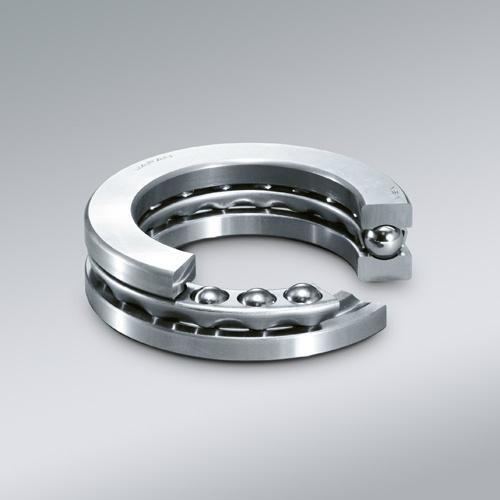 the load. The inner ring is fitted with the shaft and the outer ring with the bearing housing, ensuring the rotation and fixation of the bearing.
Rolling elements: As the medium for bearing loads, rolling elements distribute the load uniformly between the inner and outer rings, reduce friction, and thus improve efficiency and service life.
Retainer: The function of the retainer is to maintain an appropriate distance between the rolling elements, prevent contact between rolling elements or between rolling elements and the inner and outer rings, and ensure the normal operation of the bearing.
The design and selection of rolling bearings should be determined according to specific application requirements, including the type of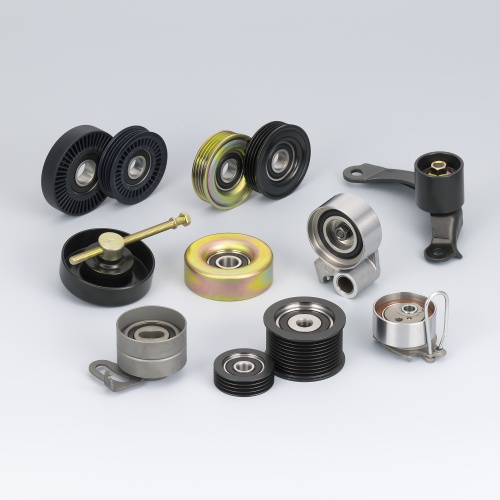 load they bear, rotational speed, working environment, etc. The correct selection and use of rolling bearings are of great significance for improving mechanical efficiency and extending service life.