Welcome to the Bearing Official Website.
National Consultation Hotline:


 News & Updates
 Industry News
Wind turbine generators are important equipment for converting wind energy into electricity, one of whose core components is the bearing of the wind turbine. As an indispensable and key component of wind turbine generators, the performance of the bearing directly affects the stability and efficiency of the entire equipment. The following is an article on key cases and technical key points analysis of the application of bearings in wind turbine generators.
Key Cases of Wind Turbine Generator Bearing Application
Case One: A bearing problem in a large-scale wind farm
In the operation of a large-scale wind farm, multiple main bearings of the wind turbines failed, resulting in a significant drop in power generation efficiency. Through detailed technical analysis, it was found that these failures were mainly caused by wear and corrosion of the bearings. Further investigation found that these bearings did not receive proper lubrication and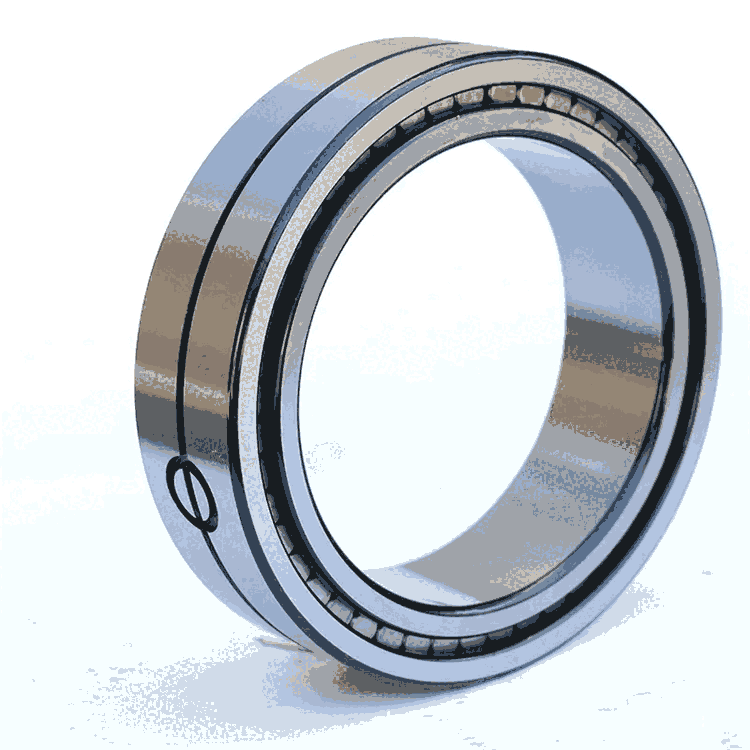 cooling during operation, leading to increased bearing temperature and accelerated aging and wear of the material.
Case Two: A bearing optimization case in a certain wind farm
Another wind farm significantly improved the power generation efficiency and equipment life after introducing new self-lubricating bearings. These self-lubricating bearings adopt advanced materials and design, which can maintain good lubrication performance over a wide temperature range, effectively reducing friction and wear. In addition, these bearings also have good corrosion resistance, which can withstand harsh environmental conditions.
Technical Key Points Analysis of the Application of Wind Turbine Generator Bearings
1. Selection of Suitable Bearing Materials
The selection of bearing materials directly affects their performance and service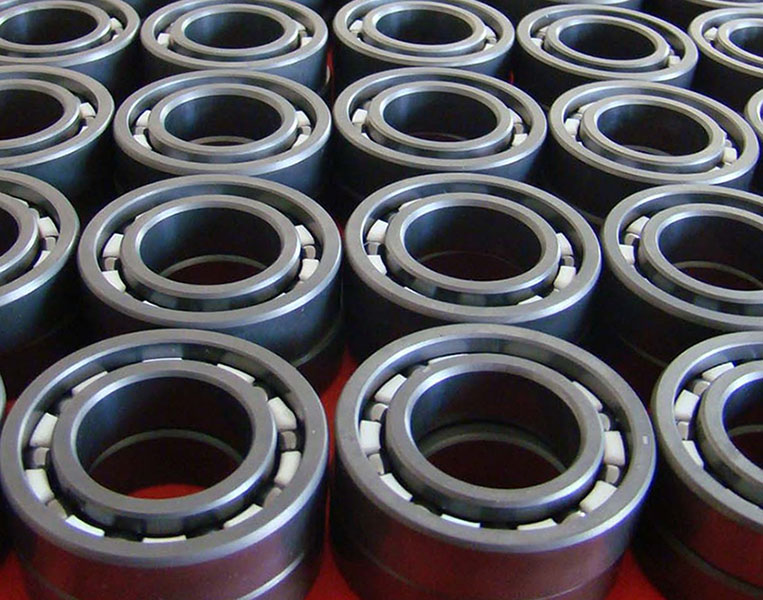 life. For wind turbine generators, materials with high strength, high wear resistance, and good corrosion resistance, such as stainless steel and
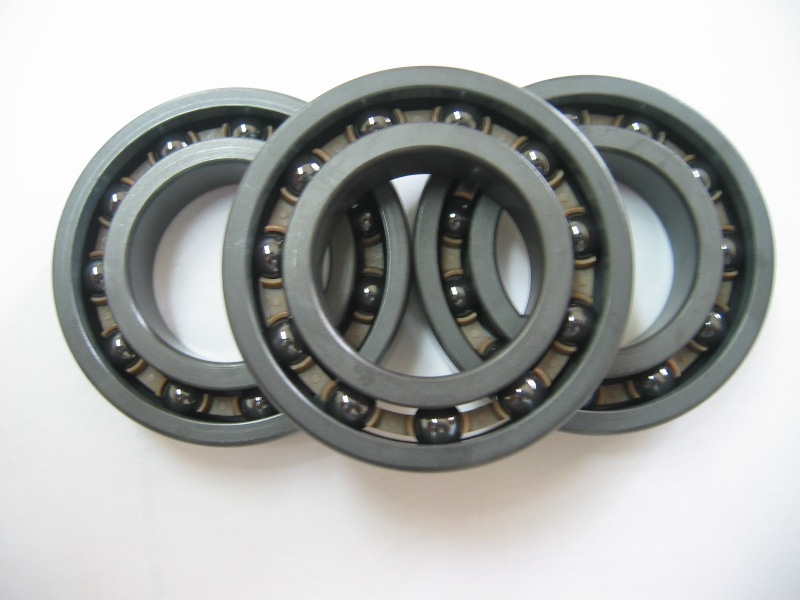 alloy steel, should be selected.
2. Reasonable Lubrication and Cooling System
A good lubrication and cooling system can effectively reduce the temperature of the bearings, reduce friction and wear. According to different operating conditions, the appropriate type of lubricant and the addition cycle should be selected to ensure that the bearings are always in the best working condition.
3. Regular Maintenance and Inspection
Regular inspections and maintenance of bearings should be carried out to detect and solve potential problems in a timely manner. Through regular inspections, the occurrence of failures can be prevented, and the service life of the bearings can be extended.
4. Consideration of Environmental Factors
Wind turbine generators usually operate in outdoor environments and need to consider the impact of environmental factors on bearings, such as sandstorms and salt, and choose bearings with corresponding protective performance.
5. Environmental Protection and Energy Saving
When selecting bearings, their environmental performance and energy-saving effects should be considered, such as using low-noise design to reduce energy consumption.
In summary, the application of bearings in wind turbine generators is not only related to the stable operation of the equipment, but also directly affects the power generation efficiency and the service life of the equipment. By reasonably selecting bearing materials, designing advanced lubrication and cooling systems, implementing effective maintenance strategies, and considering environmental factors, the overall performance of wind turbine generators can be effectively improved.