Welcome to the Bearing Official Website.
National Consultation Hotline:


 News & Updates
 Industry News
In equipment with special vibration requirements, it is crucial to match the appropriate bearings with the equipment, as improper bearing selection can lead to a decrease in equipment performance, increased maintenance costs, and even equipment damage. Therefore, it is necessary to consider the matching strategy of bearings and equipment from multiple perspectives.
1. Determining the Source and Type of Vibration
Firstly, it is crucial to identify the source and type of equipment vibration. Vibration may be caused by factors such as motors, gears, mechanical transmission systems, load changes, or internal unbalance of the equipment. Understanding the specific type of vibration (such as low-frequency, medium-frequency, or high-frequency vibration) helps in selecting the appropriate bearing type.
2. Equipment's Load Conditions
Consider the working load of the equipment, including static load, dynamic load (such as impact load), and temperature conditions. Different load conditions require different types of bearings to meet their performance requirements. For example, for applications that need to withstand heavy loads and impact loads, deep groove ball bearings or angular contact ball bearings may be required.
3. Equipment's Rotational Speed
The rotational speed of the bearing is also an important factor to consider. Equipment with high-speed operation requires bearings with high precision and low friction coefficients to reduce friction loss and maintain good operating conditions. In addition, the high-temperature performance of the bearing needs to be considered to adapt to the heat generated during high-speed operation.
4. Vibration Control Requirements
For equipment that requires high precision and low vibration, it is crucial to choose bearings with high precision and low vibration characteristics. For example, using precision ball bearings or special-designed self-aligning bearings can effectively reduce internal vibration of the bearing, thereby lowering the vibration level of the entire system.
5. Maintenance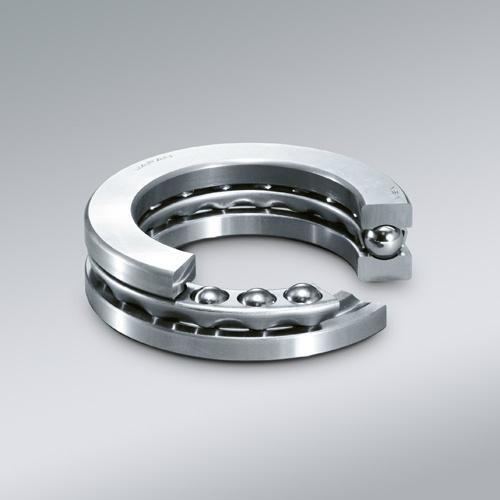 and Cost Considerations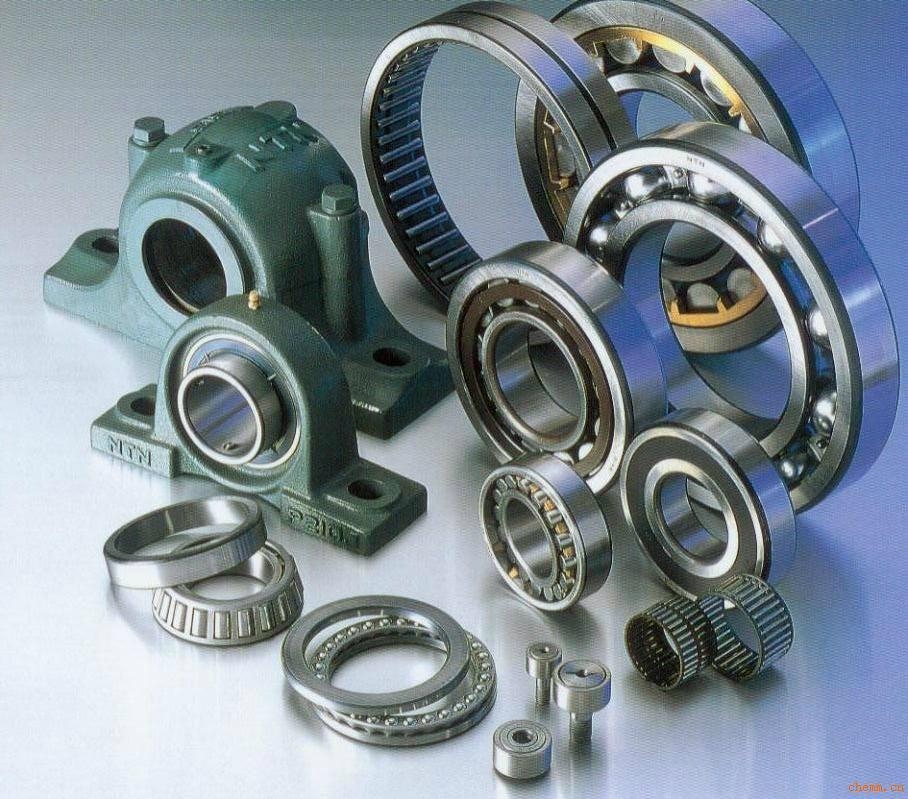
In addition to performance, the maintenance costs and service life of the bearing also need to be considered. Choosing bearings with good cost-performance can effectively control the operating costs of the equipment while meeting performance requirements.
6. Combination of Technologies
In some special cases, it may be necessary to combine multiple technologies to meet the special requirements of the equipment. For example, using pre-tension technology can improve the rigidity of the bearing and reduce vibration; adopting technologies such as magnetic rheological dampers or damping fluids can also effectively reduce the vibration level of the equipment.
In summary, when matching bearings with equipment, it is necessary to consider various factors such as the specific requirements of the equipment, operating conditions,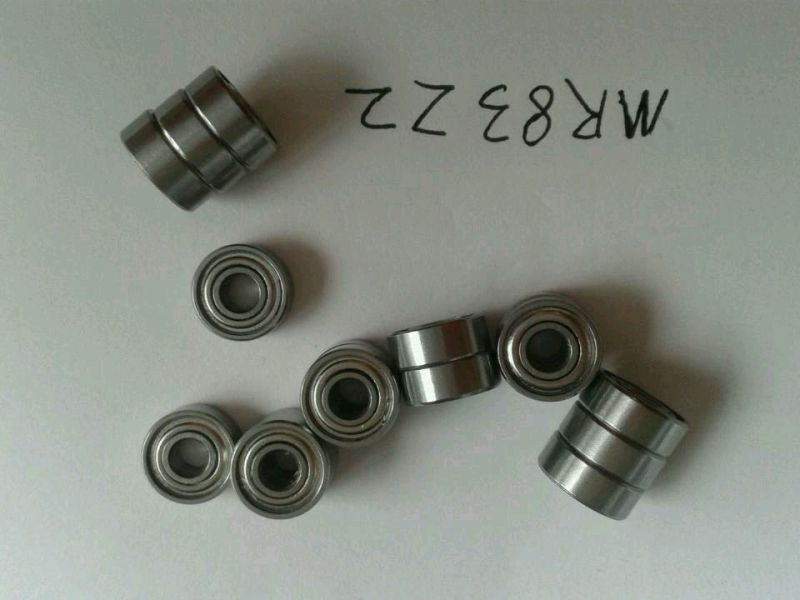 and costs to ensure that the selected bearings can effectively improve equipment performance while reducing maintenance costs and risks.