Welcome to the Bearing Official Website.
National Consultation Hotline:


 News & Updates
 Industry News
 Miniature bearings play an important role in modern science and technology and industry, and they play a key role in high-precision fields such as precision machinery, medical equipment, and aerospace. Due to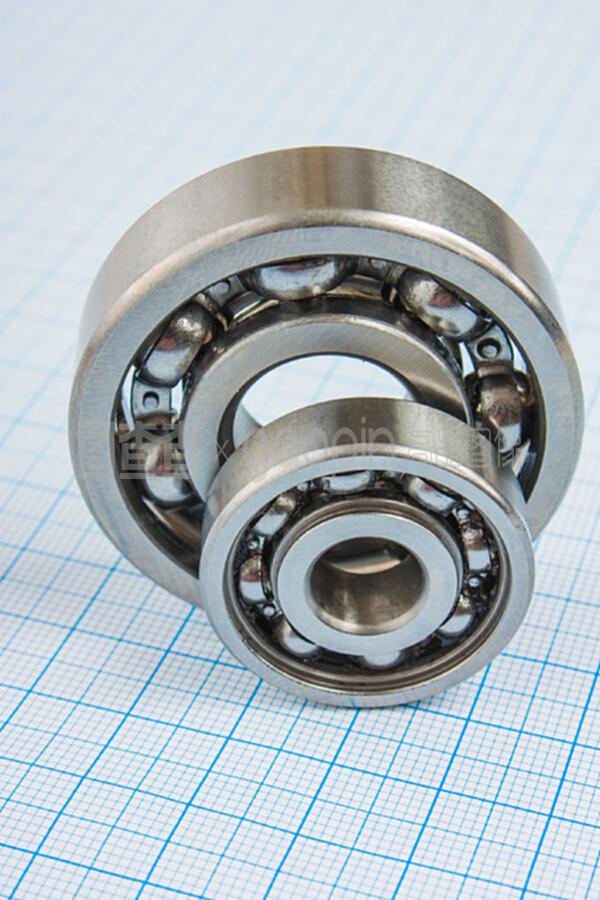 their small size, the damage detection of miniature bearings requires special technical means to ensure their performance and reliability. The following are some special methods for detecting damage to miniature bearings:
1. Infrared Thermal Imaging Technology
During the operation of miniature bearings, friction generates heat. Infrared thermal imaging technology can detect these minute temperature differences, thereby determining whether the bearing has wear or damage. By analyzing the temperature distribution of the bearing, it is possible to effectively identify minor internal damage such as fatigue cracks or uneven wear.
2. Acoustic Emission Technology
Acoustic emission technology is a non-destructive testing method that determines the presence of cracks or minor damage inside the bearing by detecting the sound waves generated during the bearing's operation. This method is particularly suitable for detecting early damage in miniature bearings because acoustic emission signals usually appear at the initial stage of damage formation.
3. Electro-EDM Detection
Electro-EDM detection is based on the principle of electromagnetic induction, and the state of the material is judged by measuring the distribution of the electro-EDM. For miniature bearings, electro-EDM sensors can be used to detect surface defects or internal damage, which is particularly suitable for detecting minor cracks and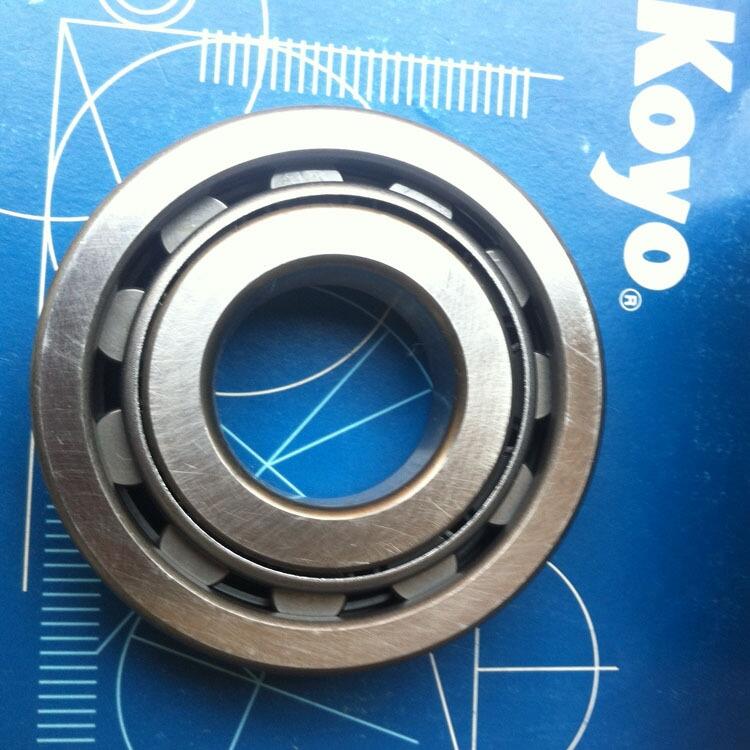 holes.
4. Laser Confocal Scanning Technology
Laser confocal scanning technology can provide high-resolution surface topography images, which are helpful for detecting minute surface defects of miniature bearings, such as scratches and corrosion points. This method is particularly suitable for detecting minor surface damage and can help to identify and repair potential problems in a timely manner.
5. Vibration Analysis
By analyzing the vibration signals of miniature bearings under different operating conditions, their operating state can be determined. Vibration analysis can detect bearing wear and loosening, which is an important means for early fault diagnosis.
Conclusion
For the damage detection of miniature bearings, it is necessary to adopt a combination of various technical means to ensure accurate and timely identification and handling of potential problems. With the development of technology, more detection methods specifically designed for miniature bearings may emerge in the future, improving their operational reliability and safety.