Welcome to the Bearing Official Website.
National Consultation Hotline:


 News & Updates
 Industry News
Research on the Bearing Capacity of Railway Bearings in the Operation of Heavy-Duty Trains
As one of the key components of railway vehicles, the bearing capacity of railway bearings directly affects the safety and smooth operation of trains. In heavy-duty trains, due to the requirements of load and speed, higher requirements are placed on the bearing capacity of railway bearings. This article will discuss how the bearing capacity of railway bearings meets their requirements during the operation of heavy-duty trains.
The bearing capacity of railway bearings mainly depends on their materials, structural design, and manufacturing processes. Firstly, materials are the key factors determining the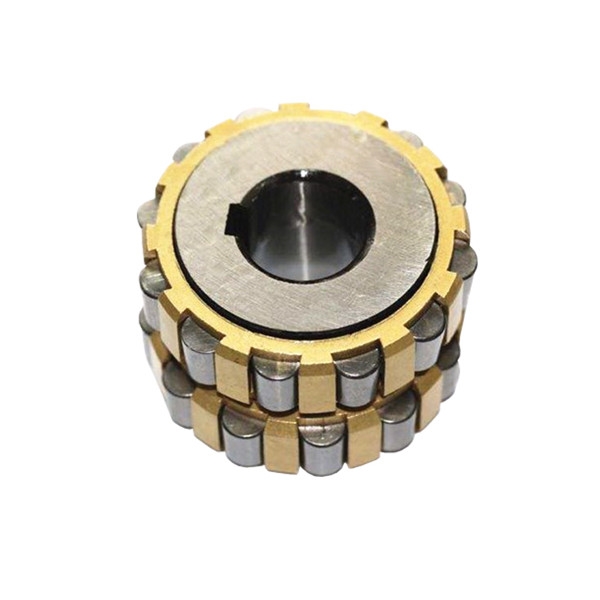 bearing capacity of railway bearings. Currently, railway bearings mainly use rolling bearings, and their materials are usually alloy steels such as GCr15, GCr15SiMn, etc., which have high strength and wear resistance and can withstand large loads. In addition, with the development of technology, some new materials such as ceramic bearing materials are also applied to railway bearings, which have higher bearing capacity and lower friction coefficients, meeting the operational requirements of heavy-duty trains.
Secondly, structural design is also an important factor affecting the bearing capacity of railway bearings. Heavy-duty trains usually require a larger axle load, which requires railway bearings to have higher bearing capacity. To this end, railway bearings are often designed with larger sizes to increase their bearing area; at the same time, by optimizing the internal structure of the bearings, increasing the number of rollers and retainers, their bearing capacity can be enhanced. In addition, the lubrication method of the bearings will also affect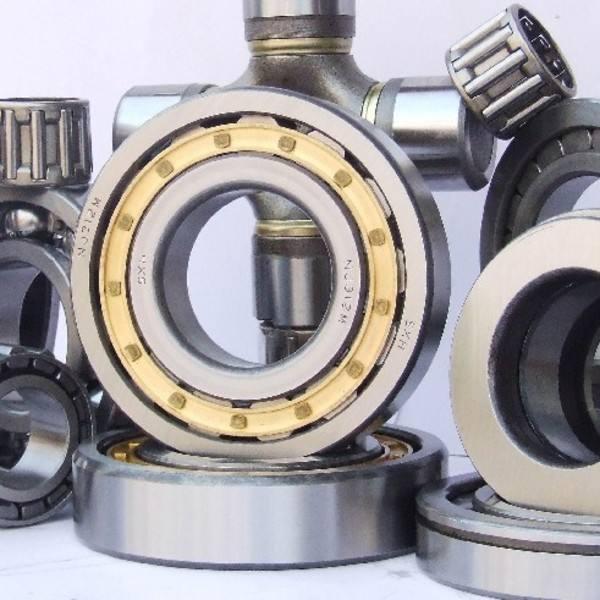 their bearing capacity. For heavy-duty trains, oil lubrication is usually adopted to maintain the lubrication state of the bearings and prevent damage to the bearings caused by high temperatures due to friction.
Manufacturing processes are also an important factor affecting the bearing capacity of railway bearings. High-quality manufacturing processes can ensure the dimensional accuracy and surface roughness of the bearings, improving their bearing capacity. In addition, through heat treatment processes, the hardness and wear resistance of the bearings can be improved, further enhancing their bearing capacity.
In summary, the bearing capacity of railway bearings is a key factor in their important role in the operation of heavy-duty trains. By adopting high-quality materials, optimized structural design, and advanced manufacturing processes, the bearing capacity of railway bearings can be effectively improved to meet the operational requirements of heavy-duty trains.