Welcome to the Bearing Official Website.
National Consultation Hotline:


 News & Updates
 Industry News
In miniaturized equipment, bearing selection is a crucial link that directly affects the performance, reliability, and service life of the equipment. Due to the limitations of volume and weight, miniaturized equipment places higher requirements on the selection and design of bearings. When selecting bearings, multiple factors need to be considered to ensure that the equipment can operate efficiently and stably.
1. Load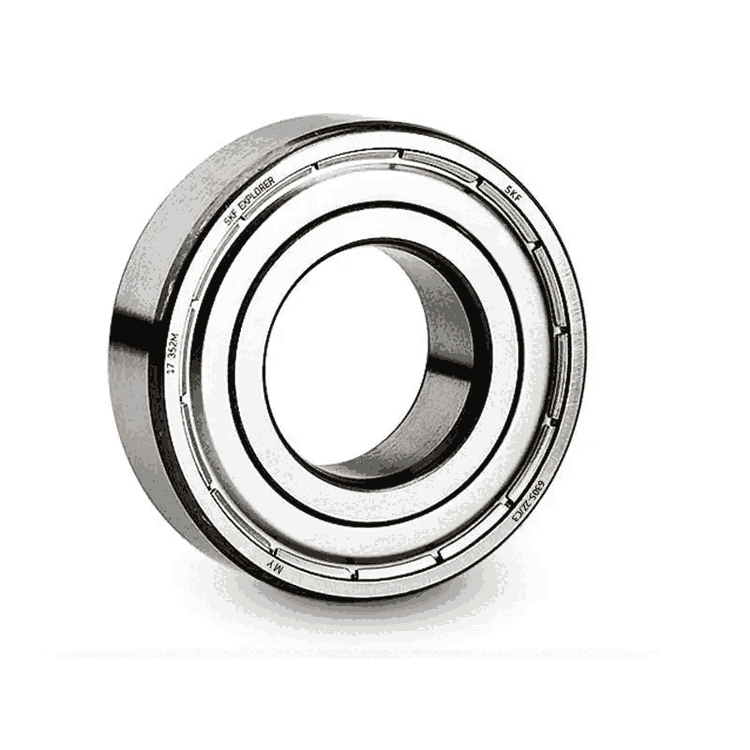 requirements
Miniaturized equipment may need to bear various types of loads, including static loads, dynamic loads, and possible impact loads. When selecting bearings, it is necessary to determine the type and size of the bearings according to the working conditions of the equipment, such as radial loads, axial loads, etc.
2. Movement speed
The speed of movement is also crucial for the selection of bearings. High-speed operating equipment requires bearings with high precision and low friction to reduce energy loss and wear. Conversely, low-speed operating equipment may require simpler bearing designs to reduce costs.
3. Working temperature
The working environment temperature of the equipment is also an important factor to consider when selecting bearings. High-temperature environments may require high-temperature-resistant bearing materials, while low-temperature environments may need to consider the thermal expansion characteristics of the bearings.
4. Protection requirements
Miniaturized equipment may require protective functions such as dust-proof, waterproof, and oil-proof in some applications. Therefore, when selecting bearings, it is necessary to consider their sealing performance to ensure that they can maintain good working conditions in harsh environments.
5. Maintenance convenience
Miniaturized equipment usually has a smaller volume, so when designing, it is necessary to consider the convenience of bearing installation, disassembly, and maintenance. Choosing bearings that are easy to maintain and replace can reduce downtime and improve work efficiency.
6. Cost-effectiveness
Under the premise of meeting performance requirements, it is also necessary to consider the cost-effectiveness of the bearing. Although high-performance bearings may provide higher performance in the short term, in the long run, solutions with higher cost-effectiveness may be more economical choices.
Conclusion
When selecting bearings for miniaturized equipment, it is necessary to comprehensively consider the above factors and select according to the specific application scenarios and requirements. Through scientific and reasonable selection, it can ensure that the equipment operates efficiently and reliably, thereby improving the overall performance and service life of the equipment.