Welcome to the Bearing Official Website.
National Consultation Hotline:


 News & Updates
 Industry News
 Bearings are an important component widely used in various mechanical equipment, and their performance directly relates to the operation efficiency and service life of the equipment. The production cost of bearings mainly consists of raw material costs, processing costs, labor costs, energy costs, etc. Among them, the raw material cost occupies a relatively large proportion in the total cost, so how to effectively control the raw material cost is of great significance for reducing the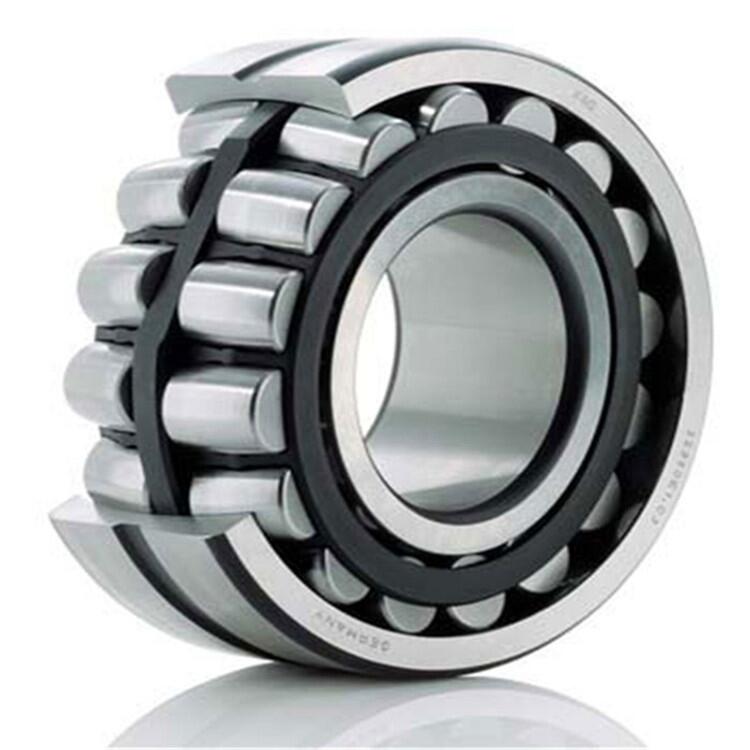 overall production cost and improving market competitiveness.
Cost composition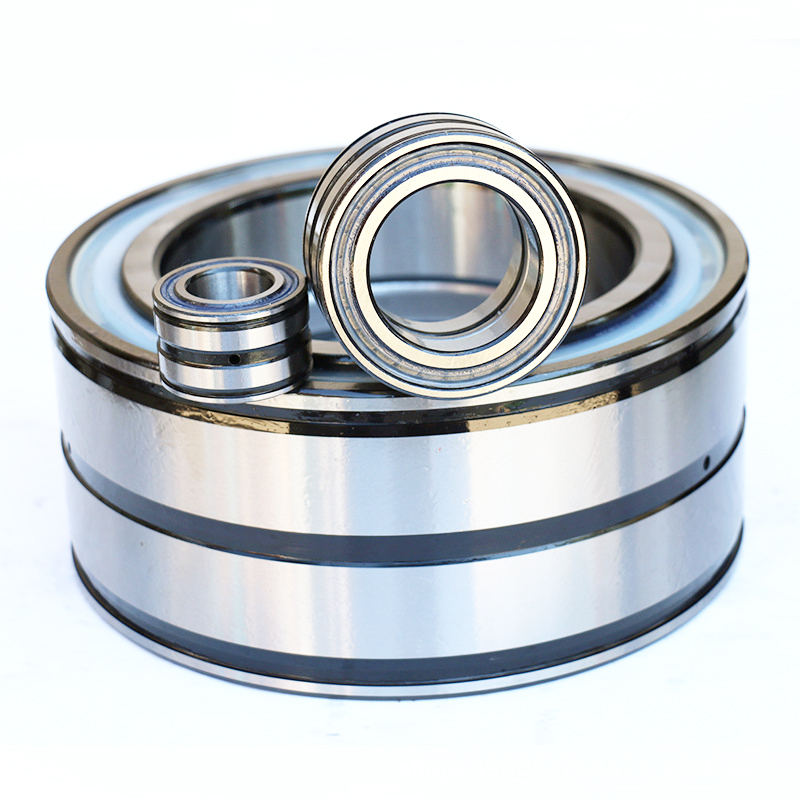 of bearing
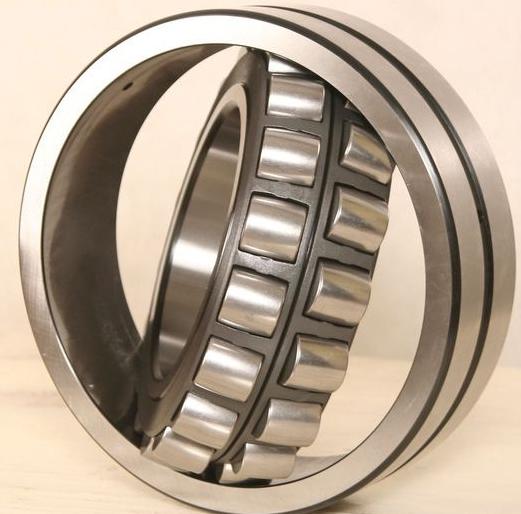 raw materials
The raw materials of bearings mainly include steel, alloy steel, copper, plastic, grease, etc. Among them, steel is the main material that constitutes bearings, which determines the hardness, strength, and wear resistance of bearings, etc. Alloy steel, due to its higher strength and wear resistance, is widely used in the manufacturing of high-load, high-precision bearings. Copper and plastic are used to manufacture bearing retainers, sealing rings, and other components, accounting for a certain proportion of the raw material cost. Grease is an important lubricating medium for bearing operation, and its quality directly affects the service life of bearings.
How to control raw material costs in the procurement phase
Supplier management: Establish a stable supplier relationship, reduce procurement prices through negotiation, and require suppliers to provide quality guarantees and delivery guarantees. Through supplier management, it can effectively control raw material costs.
Optimization of procurement strategy: Arrange procurement time according to production plans and market demand to avoid cost waste caused by inventory accumulation. At the same time, reduce raw material procurement costs through bulk purchasing or negotiating discounts with suppliers, etc.
Quality control: Strengthen the quality control of raw materials to ensure that raw materials meet production requirements and avoid rework and material replacement costs caused by quality issues. By introducing third-party testing institutions or establishing testing laboratories independently, improve the quality control level of raw materials.
Technological innovation: Improve the utilization rate of raw materials through technological innovation and reduce waste in the production process. For example, adopt advanced manufacturing processes and material treatment technologies to improve material utilization and reduce production costs.
Cost awareness: Enhance the cost awareness of all employees and look for opportunities to save costs in daily work. For example, rationally plan production processes to reduce unnecessary material waste; optimize logistics management to reduce transportation costs, etc.
In summary, through the fine management of raw material costs, it can not only effectively reduce production costs, but also improve product quality and enhance market competitiveness. Effective control in the procurement phase is an important guarantee for sustainable development.