Welcome to the Bearing Official Website.
National Consultation Hotline:


 News & Updates
 Industry News
Heavy-duty bearings play a crucial role in industrial equipment, bearing huge loads, so their wear issues directly affect the normal operation and service life of the equipment. This article will discuss the wear law of heavy-duty bearings and propose maintenance strategies for heavy-duty wear.
Wear law of heavy-duty bearings
The wear of heavy-duty bearings is usually divided into two categories: abrasive wear and corrosive wear. Abrasive wear is caused by direct contact of the working surface with high-speed abrasive particles or microparticles. Corrosive wear, on the other hand, is due to the chemical reaction between the medium (such as water, oil, etc.) and the bearing material, leading to material loss. In heavy-duty environments, due to the large load and increased temperature, this accelerates the wear process, making the bearing more susceptible to the effects of the aforementioned two types of wear.
Maintenance strategy
Regular lubrication: Regularly lubricate the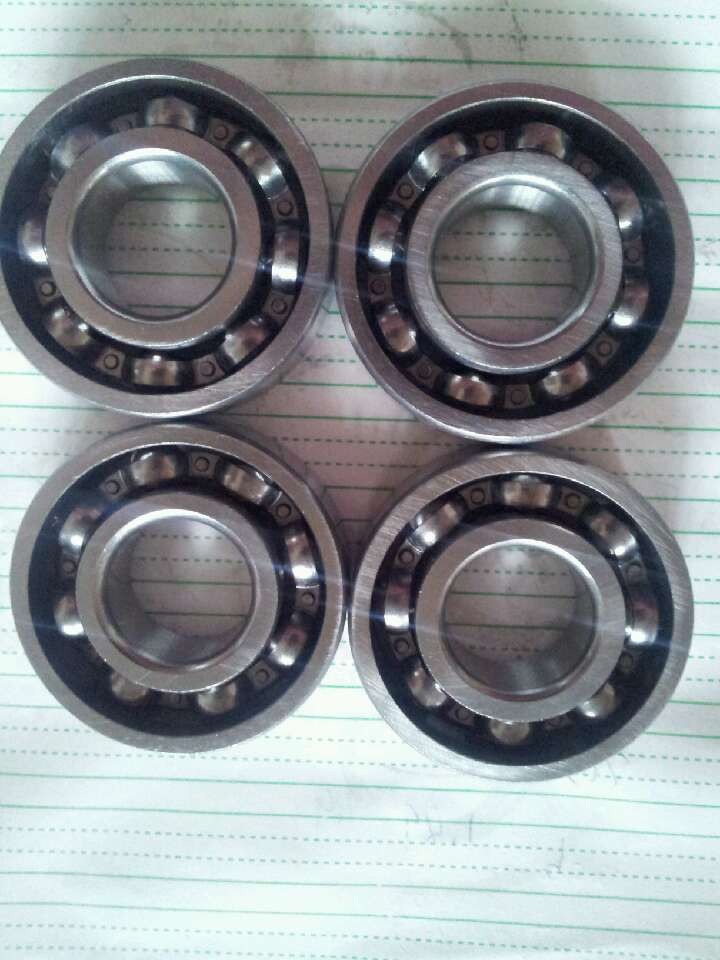 heavy-duty bearings with suitable lubricants to effectively reduce friction and wear. The selection of lubricants should consider the type of bearing, working temperature, and environmental conditions.
Temperature monitoring: Install temperature sensors to monitor the working temperature of the bearing, and take immediate action to prevent bearing damage caused by overheating if the temperature rises abnormally.
Regular inspections: Regularly inspect the bearing, including visual inspections, vibration analysis, and noise monitoring, to detect potential problems in a timely manner. For bearings that have shown signs of wear, they should be replaced as soon as possible.
Use protective measures: Where possible, use protective covers or sealing devices to prevent dust, moisture, and other impurities from entering the bearing, reducing the wear it receives.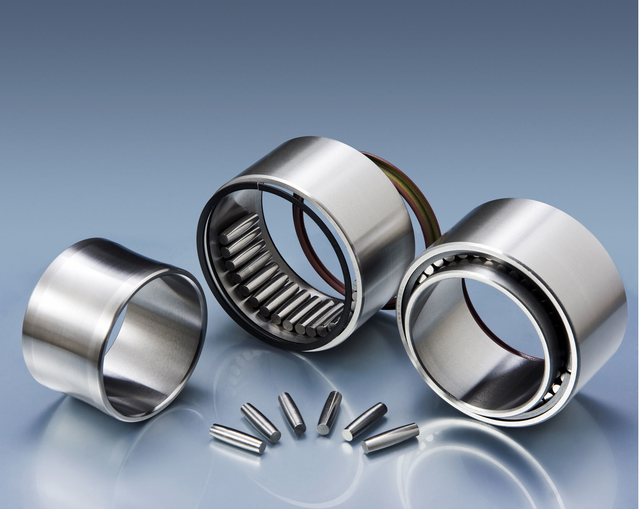
Optimized design: Based on actual operating conditions, optimize the design of the bearing, such as selecting materials and structural designs that are more suitable for heavy-duty environments to improve its wear resistance.
Advanced monitoring technology: Utilizing sensor technology and data analysis to monitor the condition of the bearing in real time, and to detect and handle potential problems in a timely manner.
In summary, in order to address the wear problem of heavy-duty bearings, it is necessary to comprehensively consider various factors such as lubrication, temperature monitoring, regular inspections, protective measures, optimized design, and advanced monitoring technology, and adopt a comprehensive maintenance strategy to extend the service life of the bearings and ensure the safe and stable operation of the equipment.